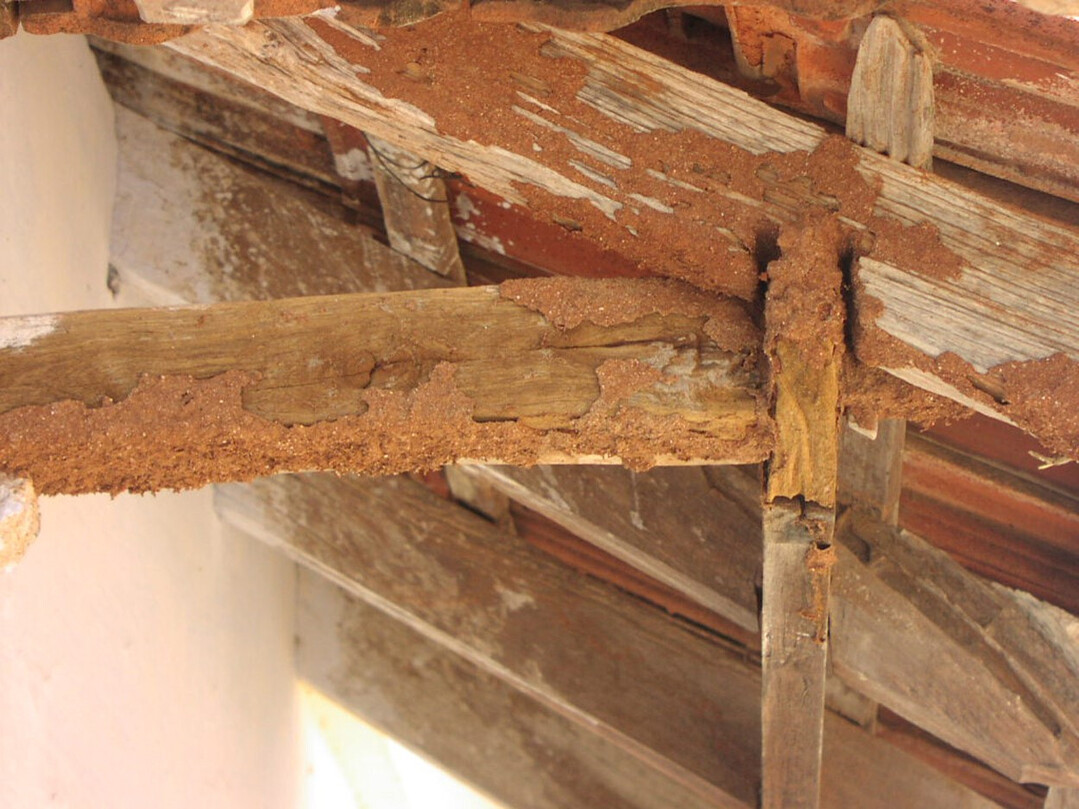
As global temperatures climb, South Korea’s cherished wooden cultural heritage faces a growing and compounding threat. According to a recent scientific study, climate change is significantly accelerating the proliferation of destructive organisms—specifically subterranean termites and wood-decay fungi—putting centuries-old structures at unprecedented risk.
The study, published in the international journal BioResources by researcher Si-hyun Kim from the National Research Institute of Cultural Heritage under the National Heritage Administration and Professor Geum-ma Lee of Changwon National University’s Department of Cultural Heritage Restoration Arts, highlights a worrying environmental shift for the nation’s historical assets.
Analyzing Over Five Decades of Climate Data across 506 Sites
The research team examined long-term meteorological data spanning from 1973 to 2025 across 61 weather observation points, mapping them against 506 state-designated wooden cultural heritage sites as of December 2025. This comprehensive dataset included 28 National Treasures, 264 Treasures, 201 National Folk Cultural Heritage sites, and 13 wooden structures located within historic historic sites.
The findings reveal a marked warming trend over the past 53 years:
*Average annual temperatures around wooden heritage sites rose by 1.49℃, shifting from 11.62℃ (1973–1982) to 13.11℃ (2016–2025).
*Average January temperatures increased by 1.65℃, moving from -1.92℃ to -0.26℃.
*Regional variations showed that the Seoul-Gyeonggi capital area experienced the highest annual temperature jump (1.84℃), followed by Gangwon (1.73℃), Chungcheong (1.6℃), and Jeju (1.56℃).
Termite Activity Season Expands by Two Weeks
Rising temperatures have directly improved environmental conditions for subterranean termites, particularly the Japanese subterranean termite (Reticulitermes speratus), which poses a severe threat to historic architecture by tunneling underground to target moisture-prone structural elements like pillar bases.
Termites typically experience minimal foraging activity when daily average temperatures drop below 10℃, with peak feeding occurring between 21℃ and 30℃. Because of winter and spring warming, the number of days per year with an average temperature of 10℃ or higher grew from 208 to 222 days—extending their active feeding season by roughly two weeks.
Furthermore, the climate-based termite risk index jumped by 27%. Drawing on global wood degradation experiments, the researchers noted that a 10℃ rise in temperature accelerates wood decomposition rates by roughly five times when driven by termites and about two times by microorganisms. Because termites rely on symbiotic gut microbes to break down cellulose, these warmer conditions drastically speed up structural decay.
Fungal Rot Risks Rise by 12% Driven by Moisture and Heat
Wood-decay fungi—mushrooms and molds that feed on cellulose and lignin to sap strength and durability from timber—also expanded their footprint. The Scheffer Climate Index, which gauges how favorable weather conditions are for fungal decay based on temperature and rainy days, rose 12.4% from 47.3 to 53.2 over the studied decades.
Regional impacts varied: the index climbed 18% in the Seoul-Gyeonggi region and 15% in Gangwon, though it dipped slightly in southern South Jeolla Province and parts of Jeju.
While ambient heat encourages fungal growth, actual precipitation patterns and structural design play crucial roles. Deep traditional eaves often shield timber from direct rainfall, meaning actual decay risks under roofs can be lower than general climate indices suggest. However, vulnerable structural points—such as pillar bases, wooden verandas (totmaru), roof leaks, and areas prone to splashing rainwater—remain highly susceptible.
A Shift from Reactive Repair to Proactive Preservation
One of the study’s most critical takeaways is that termite risks are escalating faster than fungal rot risks. In approximately 91% of the 506 analyzed sites (459 locations), the termite risk index outpaced the Scheffer climate index.
In response, the researchers advocate for a paradigm shift in cultural asset management: moving away from reactive, localized pest eradication toward proactive, preventative stewardship. Recommendations include:
*Standardizing biological damage assessment methods across all heritage sites.
*Linking actual damage data with climate risk indices to prioritize conservation funding and interventions.
*Expanding pest control strategies from treating single infested buildings to managing entire colonies across temple complexes or traditional villages.
*Enhancing routine maintenance, such as fixing roof leaks, improving drainage around pillar bases, and clearing dead wood or tree stumps from surrounding grounds.
This study underscores that climate change impacts not only natural ecosystems but also the physical survival of human history, highlighting the urgent need for integrated climate monitoring and heritage preservation policies.
[Copyright (c) Global Economic Times. All Rights Reserved.]