![[등록] 2026-09-01 15:48:31](/support/_updata/banner2/tl181982910_6749.png)


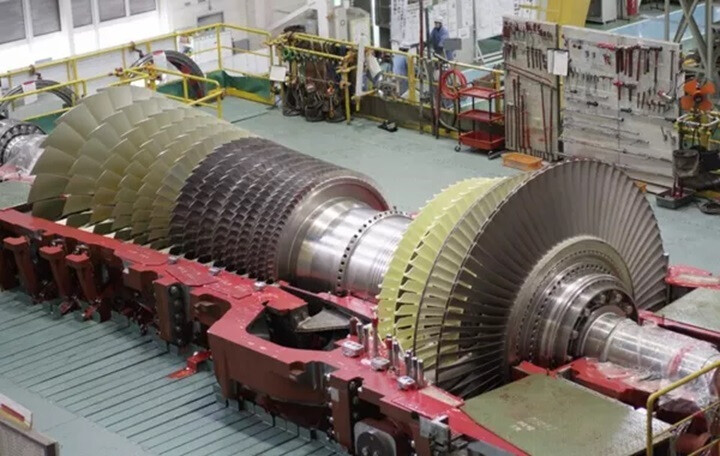
CHANGWON, South Korea — Hanwha Aerospace has officially launched a comprehensive initiative to cultivate a robust, fully domestic aviation engine industrial ecosystem. Recognizing sovereign engine technology as a critical national imperative for next-generation fighters and unmanned aerial vehicles (UAVs), the company aims to fortify the sector's baseline competitive strength by rapidly elevating the technical capabilities and production infrastructures of its localized supply network.
On July 9, the defense and aerospace giant announced the signing of a Landmark Mutual Growth and Cooperation Memorandum of Understanding (MOU) tailored specifically toward building a self-sustaining domestic aerospace engine supply chain. The formal signing ceremony took place the previous day at the Changwon Exhibition Convention Center (CECO) in Changwon, South Korea’s primary defense industrial hub located in South Gyeongsang Province.
The high-profile event drew more than 100 high-ranking representatives, including executives from 49 core manufacturing partners specializing in high-precision aerospace components, alongside officials from major national aerospace research and government regulatory institutions. The scale of the alliance underscores the strategic weight the public and private sectors place on ending dependence on foreign defense powerplants.
The core objective of this multilateral partnership is a proactive, coordinated response to the South Korean government's high-priority defense mandates. Chief among these is the successful development of a homegrown 10,000-pound-thrust class turbofan engine, alongside other advanced cutting-edge propulsion systems required for the nation's future defense assets. Industry experts emphasize that high-bypass turbofan engines are among the most technologically complex products globally, requiring an intricate chain of hundreds of highly specialized tier-one and tier-two suppliers spanning advanced metallurgy, complex multi-axis machining, precision casting, coating, and computerized system assembly.
Under the terms of the newly ratified MOU, Hanwha Aerospace will dramatically scale up its tailored technical and vocational training programs for its suppliers. Furthermore, the company will offer substantial financial subsidies to offset rising research and development (R&D) expenditures, grant partners direct access to its high-end testing and validation infrastructure, and actively implement structural enhancements to improve fair transaction and contract environments.
This initiative represents a significant acceleration of Hanwha Aerospace's supply chain strengthening campaign initiated earlier this year. In February, the corporation hosted a Shared Growth Proclamation Ceremony, which was swiftly followed by targeted agreements in the raw materials and specialized component sectors. These prior arrangements laid the groundwork for joint international R&D ventures and paved the way for domestic sub-contractors to break into lucrative global aerospace export markets.
"Achieving total self-reliance in aviation engine technology is impossible without the holistic, synchronized development of our entire industrial ecosystem," emphasized Kim Jun-tae, Executive Vice President and Head of the Military Business Group at Hanwha Aerospace. "Through this deeply integrated win-win cooperation model, we are dedicated to putting forth our absolute best efforts to deliver an entirely localized, world-class aviation engine."
As geopolitical tensions continue to reshape global defense supply chains, South Korea's aggressive move toward complete indigenous control over its aerospace propulsion systems is widely seen by global defense analysts as a decisive turning point. By securing the foundational components of the engine ecosystem today, Hanwha Aerospace and its 49 partners are effectively anchoring the nation’s long-term strategic autonomy in the skies.
[Copyright (c) Global Economic Times. All Rights Reserved.]