![[등록] 2026-09-01 15:48:31](/support/_updata/banner2/tl181982910_6749.png)


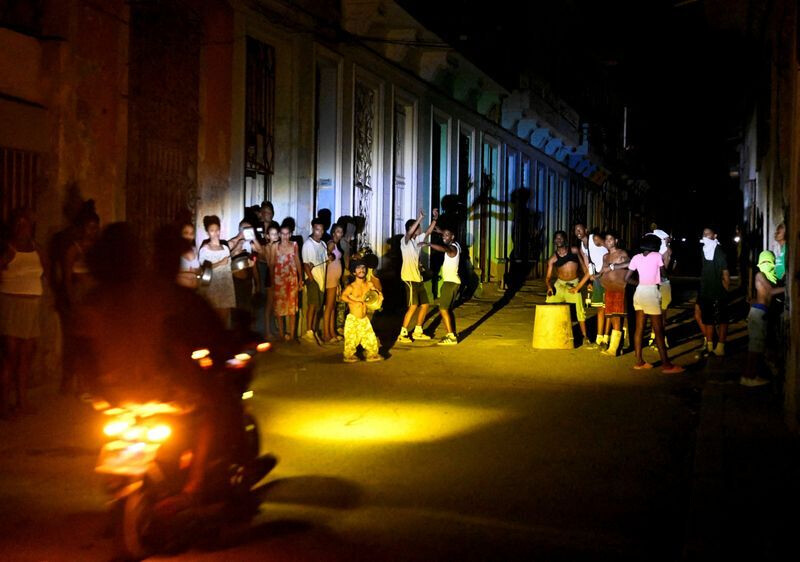
HAVANA — Cuba’s national electric grid suffered a catastrophic failure on July 6, 2026, plunging the entire island nation into darkness. The blackout, which left approximately 10 million people without electricity, marks the third nationwide collapse of the country’s power system this year, according to state grid operator UNE. As the government scrambles to restore power, the incident has highlighted the deepening humanitarian crisis triggered by severe fuel shortages and intensifying U.S. sanctions.
The current energy crisis has brought Cuba’s public healthcare system to the brink of collapse. With hospitals struggling to maintain operations, medical facilities are facing acute shortages of power, fuel, and essential supplies. The impact on patient care has been devastating: elective and non-urgent surgeries have been indefinitely suspended, and vital services—including blood banks, laboratories, and neonatal intensive care units—are severely compromised.
According to recent government reports, the survival rate for children with cancer has plummeted from 85% to 65% since the beginning of the year, a direct consequence of the energy blockade that has severely limited the ability of hospitals to provide consistent treatment. Mario Cruz Peñate, a representative of the World Health Organization (WHO) in Cuba, described the situation as "truly shocking," emphasizing that the fuel scarcity is not only disrupting medical procedures but is also paralyzing the entire continuum of patient care.
The root of this crisis lies in a tightening U.S. "oil blockade" initiated in January 2026, following the transition of regional political landscapes, including the arrest of Venezuelan President Nicolás Maduro. The U.S. administration’s aggressive use of sanctions and threats of tariffs against any nation supplying oil to Cuba has effectively choked off the island’s primary energy sources. As Cuba imports less than one-third of the oil it requires, these restrictions have caused a staggering 90% reduction in fuel supply, leaving the nation’s aging power infrastructure unable to meet basic daily demands.
The humanitarian toll extends far beyond hospitals. Daily life for millions of Cubans has been upended by rolling blackouts that can last up to 20 hours a day, disrupting water supplies, sanitation, and food production. UN officials have warned that without urgent international intervention and a stabilization of energy and supply chains, the island faces a potential humanitarian collapse.
Despite these warnings, diplomatic progress remains stagnant. While the Cuban government has attempted to engage in talks with the U.S., tensions remain high as Washington continues to exert pressure, threatening potential military intervention to force regime change. For the people of Cuba, the darkness is more than a technical failure—it is an increasingly desperate struggle for survival in a nation under siege.
[Copyright (c) Global Economic Times. All Rights Reserved.]