![[등록] 2026-09-01 15:48:31](/support/_updata/banner2/tl181982910_6749.png)


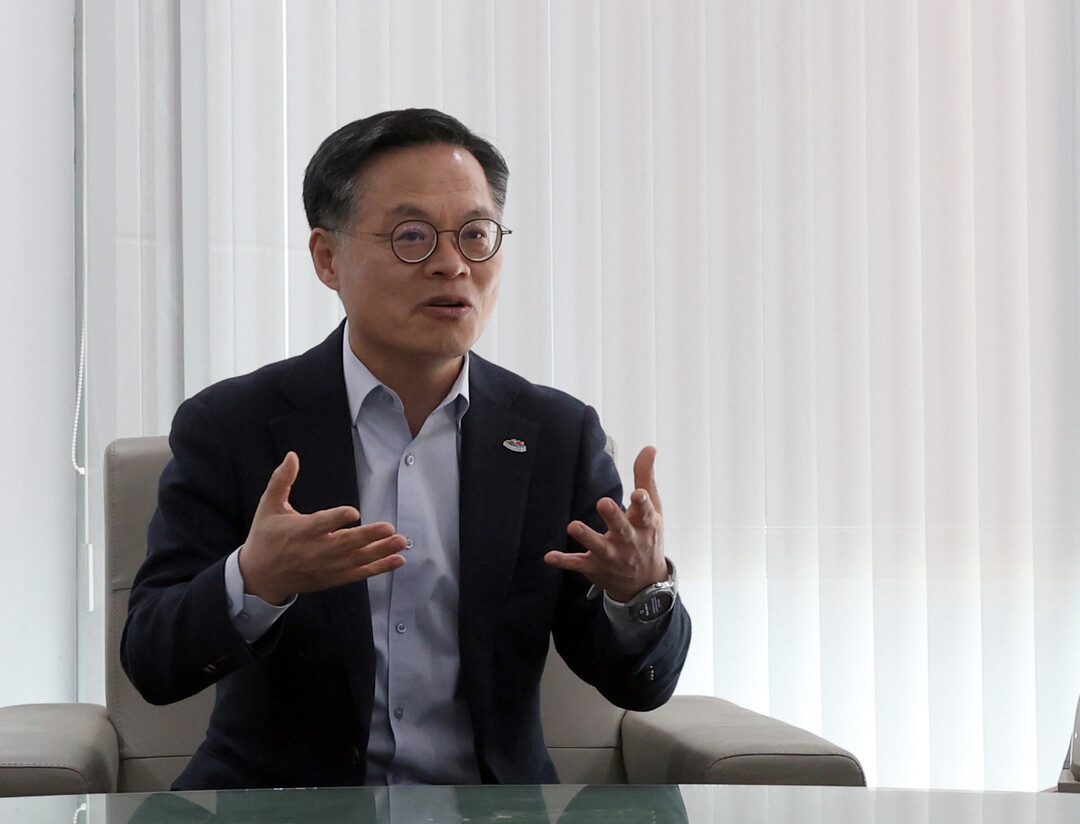
Building a Future for Islands: A Conversation with the Secretary-General of the 2026 Yeosu World Island Exhibition
"Islands" have long been regarded as symbols of isolation and detachment. However, they are now emerging as core spaces where we can discuss the climate crisis and a sustainable future for humanity. In September 2026, the eyes of the world will turn to Yeosu, South Jeolla Province. The <2026 Yeosu World Island Exhibition>, the world's first exhibition dedicated to islands, will celebrate its grand opening. Under the theme "Connect the Islands, the Sea, and the Future," this event is expected to become an international platform that re-examines the inherent value of islands and explores practical solutions to the common challenges facing our global community. We met with Secretary-General Kim Jong-ki, who is working diligently toward the success of the exhibition, to have an in-depth conversation about the future envisioned by this event and the new horizons of South Korea's maritime history.
Q1. Could you introduce the <2026 Yeosu World Island Exhibition>? What is the significance of expanding the theme of "islands" into a world exhibition?
The 2026 Yeosu World Island Exhibition is an international event held from September 5 to November 4, 2026, across the islands of Yeosu, including Dolsan Jinmo District, Gaedo, and Geumodo, under the theme "Connect the Islands, the Sea, and the Future." It holds great significance as the world's first exhibition dedicated to islands, where we can discuss the unique cultures and nature of islands worldwide, as well as the various challenges they face, to seek future development directions.
This exhibition aims to go beyond simple tourism or displays; it seeks to be an international platform for sharing solutions to problems common to islands globally, such as the climate crisis, population decline, marine environmental changes, and issues regarding transportation and settlement. The primary reason for expanding the theme of "islands" to a world exhibition is that islands are no longer isolated spaces, but rather vital areas that reflect the future of humanity. Islands are the first regions to experience the effects of climate change, rising sea levels, and ecosystem shifts, while also serving as spaces that demonstrate sustainable development and the value of marine resources. The 2026 Yeosu World Island Exhibition will become a venue for international cooperation where the islands of the world share their experiences and wisdom, rediscover their value, and map out a sustainable future together. Through this, Yeosu aims to move beyond being a representative maritime tourism city of South Korea to become a central hub that leads global island policy and future discourse.
Q2. As Secretary-General, what are you prioritizing in the preparations for this exhibition?
My main focus is to create "value that remains after the exhibition," going beyond the mere success of the event itself. The 2026 Yeosu World Island Exhibition must not be a one-time event that lasts for two months; it should serve as a momentum to discuss the value and future of islands with the world and suggest a new direction for South Korea’s island policy. To achieve this, the event must resonate with the public, and the long-term sustainability of island value following the exhibition is crucial.
Islands are not just assets of Yeosu or Jeonnam; they are precious marine assets of the entire nation. It is important to create opportunities for citizens and the people of South Korea to rediscover the beauty and value of islands and to take an interest in their future.
Furthermore, it is important to identify agendas that resonate with islands worldwide to create a venue for practical international cooperation. We intend to seek solutions for common challenges such as the climate crisis, the marine environment, and population decline, and to build a foundation for cooperation that will continue after the exhibition concludes.
Above all, leaving a tangible impact on the region is vital. We are doing our utmost to ensure that the island exhibition helps the islands of Yeosu and Jeonnam leap forward as a global center for maritime tourism and island culture, providing new growth engines for the local economy and tourism industry. Ultimately, all our efforts are concentrated on the belief that "even when the event ends, the future of the islands continues."
Q3. What were the biggest challenges in preparing for such a large-scale international event, and how are you addressing them?
The biggest challenge is enhancing the quality of the international event within limited time and resources. As this is the world's first exhibition themed around islands, the process of forming a consensus on "why we are holding an island exhibition" was a significant task. An exhibition goes far beyond just constructing a venue. It requires the organic integration of numerous fields, including content development befitting an international event, attracting overseas participants, establishing infrastructure for transportation and lodging, and promoting public participation. If any one of these is lacking, the quality of the event cannot be guaranteed.
In response, the Organizing Committee has built a close cooperative system with the government, Jeonnam Province, Yeosu City, and related organizations, and is operating an execution-oriented preparation system with experts in each field. In particular, we are focusing on creating a nationwide atmosphere of interest and participation by expanding promotional and engagement programs for citizens, who are the protagonists of this exhibition. We are preparing to make this not just a local event, but an international one that captures the world's attention. Through meticulous inspections and thorough preparations, we will do our best to successfully showcase the stories of islands, which hold "small but great value," to the world.
Q4. What is the greatest change or hope that this exhibition will bring to Yeosu, Jeonnam, and South Korea?
The change I hope for most is a "shift in our perspective on islands." Islands have often been perceived merely as tourist destinations or underdeveloped areas in need of development. However, islands are forward bases for maritime territory, treasure troves of ecology and culture, and critical spaces for contemplating a sustainable future in the era of the climate crisis.
Approximately 65% of all islands in South Korea are located in Yeosu and Jeonnam. Therefore, this exhibition will be a turning point for Yeosu and Jeonnam to leap forward as the center of South Korea's island policy and maritime tourism. I hope it will serve as an opportunity to create new growth engines in island tourism, marine leisure, and cultural content, injecting vitality into the local economy. At the national level, I hope it serves as an opportunity to recognize islands and the sea as the nation's future assets. By forming a national consensus on the value of islands and seeking solutions to the challenges of population decline, climate change, and the marine environment together with the world, I hope this serves as a starting point for presenting a new vision for South Korea to move forward as a global maritime power.
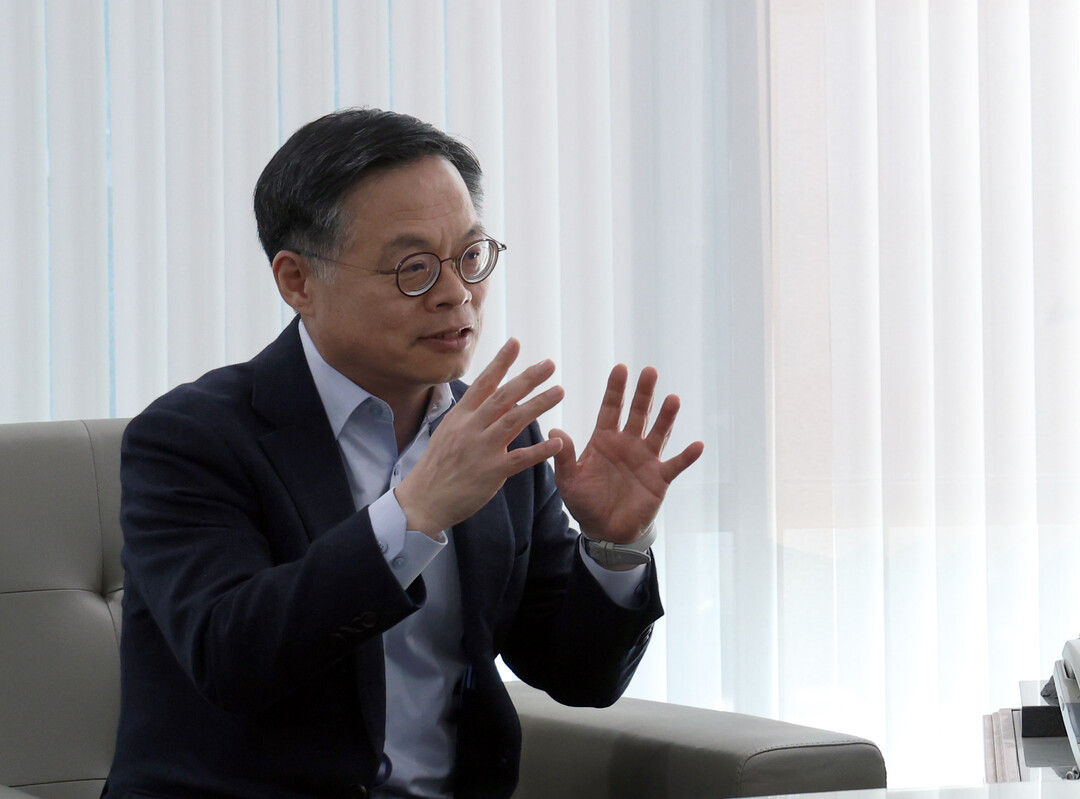
(C) Provided by Secretary-General Kim Jong-ki
Q5. Beyond holding the event, what legacy do you want the exhibition to leave behind in the long term?
Rather than just being remembered as a "successful international event," I hope it remains as a starting point for changing the future of islands. Based on a shift in perception regarding the value of islands, we aim to establish a foundation that connects a sustainable island development model with policy and international cooperation. Additionally, I believe the greatest legacy will be the pride and experience gained by island residents, citizens, youth, and volunteers through the exhibition, which will serve as a new capability for the region.
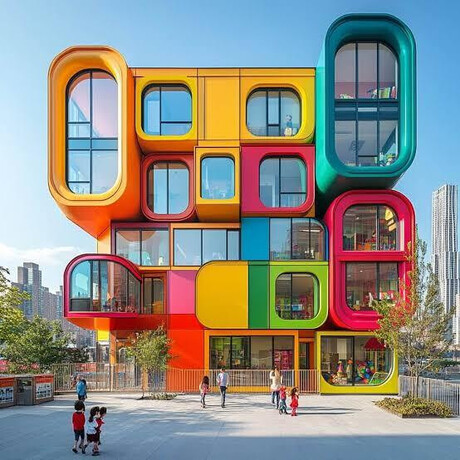
Leaving behind spaces that citizens and tourists will continue to visit and remember even after the exhibition ends is also important. The "Theme Island Landmark" to be constructed in the main venue will be a representative legacy. This space, designed to symbolically capture the exhibition's theme of island value and future vision, is being prepared to serve as a new tourist attraction and landmark for Yeosu. The exhibition site is planned with post-event utilization in mind; after the exhibition, it will be utilized as a complex space combining maritime tourism, culture, exhibitions, and rest for citizens, becoming a hub for Yeosu's new tourism resources and regional development. Above all, I look forward to these spaces remaining as living legacies that tell the stories of the islands and seas of Yeosu and South Korea for decades to come.
Q6. How do you view the value and sustainability of islands in an era where climate change and marine environmental preservation are critical?
In the era of the climate crisis, I believe islands are the most vulnerable spaces, yet they are also the first places to demonstrate a sustainable future. As they are the first to experience the effects of climate change—such as rising sea levels, abnormal weather, and shifts in marine ecosystems—the challenges faced by islands are universal issues that humanity must confront.
At the same time, islands are spaces that best embody the value of sustainability. Island residents have long led lives of coexistence with nature, utilizing limited resources efficiently, and I believe this experience is important wisdom that we must learn in the era of the climate crisis. The 2026 Yeosu World Island Exhibition aims to be an international platform that discusses not only the beauty of islands but also the common human challenges of climate change, marine environmental preservation, and sustainable island development. The core role of this exhibition is for islands worldwide to share experiences and solutions, creating a catalyst for cooperation for a sustainable future. The value of islands does not lie solely in tourism or economics; protecting islands is synonymous with protecting the sea, and protecting the sea is, ultimately, protecting our future.
Q7. If you were to be evaluated after the event concludes successfully, what would give you the most fulfillment?
The comment I most want to hear after the exhibition is not "they hosted a good event," but "I have begun to rethink the value of islands." The 2026 Yeosu World Island Exhibition is a challenge to create a world-class platform to discuss the future of islands and the sea. If many people discover the beauty, potential, and importance of sustainability inherent in islands through this exhibition, that in itself would bring me great fulfillment. Another source of fulfillment would be seeing an increase in people visiting the islands of Yeosu and Jeonnam even after the exhibition ends, creating new vitality and opportunities for the region. If it is evaluated as a new turning point for regional development rather than a one-time event, that would be truly meaningful.
Q8. Lastly, do you have a message for the people of South Korea and the world who are waiting for the <2026 Yeosu World Island Exhibition>?
The 2026 Yeosu World Island Exhibition is not just an international event held in Yeosu. It is a venue to discuss the world's islands and seas, and our shared future. Within islands lie beautiful nature, culture, and the critical human challenges of the climate crisis and sustainability. The 2026 Yeosu World Island Exhibition will be a meaningful journey where islands from around the world share their experiences and wisdom to map out a better future together.
I hope the people of Korea discover the new charms of South Korea's islands and experience their precious value and potential firsthand. To our international guests, I hope you experience the warm hospitality of Korea and the unique charm of island culture in Yeosu, where beautiful islands and the sea come alive. Your interest and participation will make this exhibition even more special. In 2026, we will talk about the future together with the islands of the world in Yeosu. I ask for your continued interest and support.
[Copyright (c) Global Economic Times. All Rights Reserved.]