![[등록] 2026-09-01 15:48:31](/support/_updata/banner2/tl181982910_6749.png)


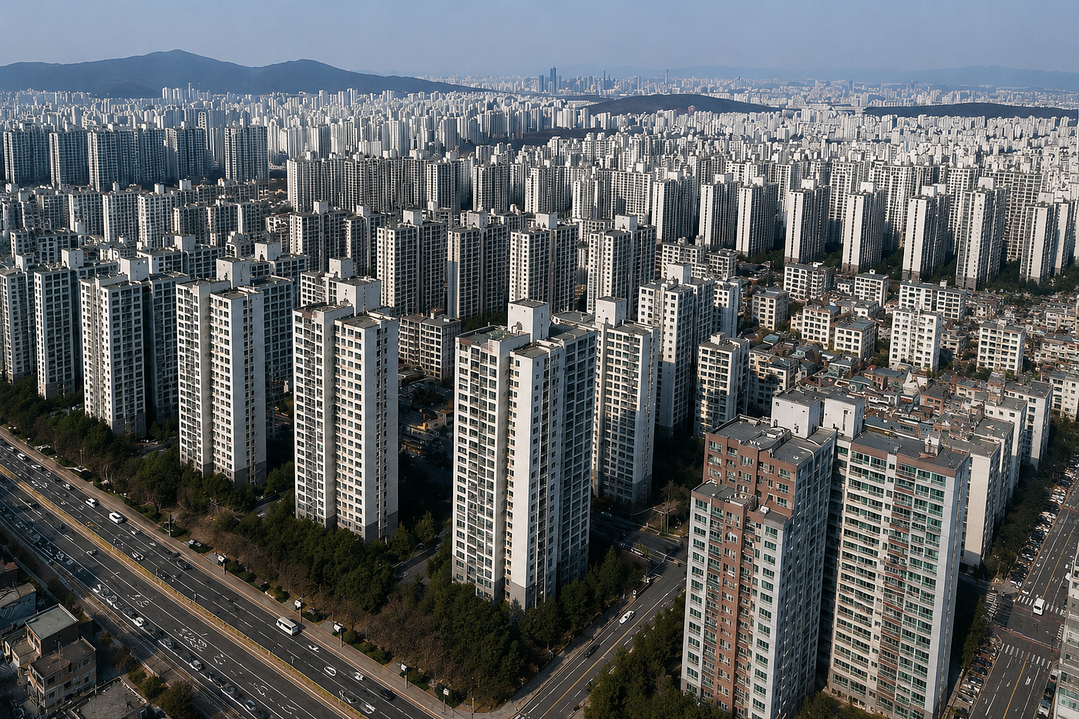
As the scarcity of jeonse (long-term lump-sum deposit rental) housing continues to worsen, the rental crisis in Gyeonggi Province has reached a level even more severe than that of Seoul. With the housing market shifting heavily toward owner-occupancy and the supply of new apartments dwindling, experts warn that this trend is likely to persist through the second half of the year.
A Steep Decline in Listings
According to data from the real estate big data platform Asil on July 8, the number of apartment jeonse listings in Gyeonggi Province has plummeted to 12,392—a staggering 48.6% decrease from 24,076 a year ago. In contrast, Seoul saw a 17.2% decline (from 24,801 to 20,556) during the same period, indicating that Gyeonggi’s supply crunch is far more acute.
The impact is unevenly distributed but particularly harsh in commuter hubs. Gwangmyeong City saw the largest drop, with listings plunging by 81.8% from 1,584 to 289. Despite a temporary softening in jeonse prices in 2024–2025 due to a high volume of new apartment move-ins, the city's proximity to Seoul has caused a rapid absorption of available stock. Similar trends are visible in Seongnam (Jungwon-gu), where listings fell by 72.2% to just 83 units, and Goyang (Ilsandong-gu), which saw a 70.4% decline.
Jeonse Prices Outpace Sales
The surge in demand has pushed jeonse prices beyond the rate of sales price growth. According to the Korea Real Estate Board, the cumulative jeonse price index in Gyeonggi Province rose by 3.48% between January 1 and June 29 of this year, outstripping the 2.87% increase in sale prices. In Gwangmyeong, jeonse prices surged by 8.11% in the first half of this year, a sharp reversal from last year’s downward trend.
The "Exodus" from Seoul
Market analysts attribute this phenomenon to a massive "exodus" of tenants who can no longer afford Seoul’s skyrocketing rental costs. As Seoul’s jeonse prices hit 13-year highs, those unable to renew their contracts or secure new leases in the capital are being pushed toward Gyeonggi Province in search of more affordable, yet accessible, housing.
Data from the National Data Agency confirms this movement: in the first quarter of 2026, 83,984 people migrated from Seoul to Gyeonggi, a 30.9% increase from the previous quarter. Most of these individuals are settling in key cities like Suwon, Goyang, Yongin, and Seongnam, which offer high accessibility to Seoul via subway lines.
Grim Outlook for the Second Half
The housing supply shortage is set to exacerbate the situation. According to Real Estate R114, Gyeonggi Province’s projected apartment move-in volume for 2026 is 61,420 units, down 17.8% from 74,760 in 2025. This, combined with the government's recent designation of several Gyeonggi areas as "regulated zones," is expected to further shrink the rental supply.
Yang Ji-young, a senior researcher at Shinhan Premier Pathfinder, warns of a deepening "gentrification" effect caused by the crisis. "Tenants are feeling extreme pressure as jeonse prices rise and monthly rents become the only alternative," she noted. "With new apartment supply unlikely to see a significant boost until the third-phase new city developments begin in 2028, and the potential for tax reforms to force more rental units onto the sales market, the rental crisis is poised to hit ordinary households even harder in the coming months."
Broader Market Context
The current stress is compounded by a structural shift in Korea’s rental market. While the jeonse system remains the preferred choice for tenants seeking to avoid monthly cash outflows, banking data shows a steady shift toward monthly rent (wolse) and "semi-jeonse" contracts as new jeonse loans become more difficult to secure. As of early 2026, monthly rent transactions accounted for nearly 70% of all rental activity in the metropolitan area.
Ultimately, experts suggest that until there is a simultaneous improvement in housing supply and a stabilization of credit conditions, the "capital region rental squeeze" will continue to force low-to-middle-income earners to trade off their commute times for the simple necessity of a roof over their heads.
[Copyright (c) Global Economic Times. All Rights Reserved.]