![[등록] 2026-09-01 15:48:31](/support/_updata/banner2/tl181982910_6749.png)


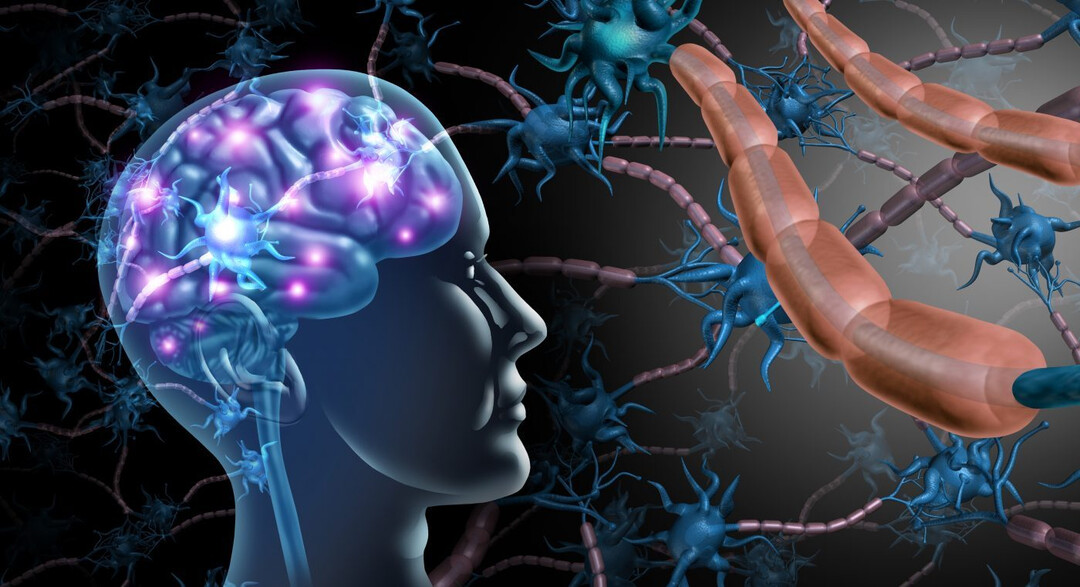
(Seoul) — Why do some memories linger for a lifetime while others fade into oblivion within days? For decades, neuroscience has largely focused on neurons—the brain's primary information-processing cells—to answer this question. However, a groundbreaking study published in Nature Communications on July 7, 2026, has shifted the spotlight to an overlooked hero: the astrocyte.
A research team led by Dr. Koh Wuhyun at the Center for Memory and Glioscience within the Institute for Basic Science (IBS), in collaboration with the Korea Brain Research Institute (KBRI), has identified that a specific protein within astrocytes, known as 'Ankyrin-2' (Ank2), acts as a master regulator of long-term memory persistence.
Astrocytes: Beyond Support Cells
Astrocytes, named for their star-like shape, have traditionally been viewed as mere "support staff" in the brain, responsible for cleaning debris and providing metabolic nourishment to neurons. This study, however, proves that they are active, indispensable architects of our memory.
The researchers discovered that Ank2 is highly expressed in these cells and is essential for maintaining the structural integrity required to support memory-storing circuits. In animal experiments, mice with Ank2 selectively removed from their astrocytes showed no difficulty in forming immediate memories after learning. However, their ability to retain these memories over the long term (two weeks later) was severely compromised.
The Molecular Pipeline
The study provides a detailed molecular look at why this happens. Without Ank2, astrocytes develop stunted, simpler structures. Consequently, they lose their crucial physical contact with "engram" neurons—the specialized neuronal networks that act as the physical storage units for specific memories.
Molecularly, the absence of Ank2 leads to weakened intracellular calcium signaling, which in turn diminishes the cell's response to Brain-Derived Neurotrophic Factor (BDNF). BDNF is a critical protein for memory formation. By stimulating this BDNF-related pathway using optogenetic techniques, the research team was able to successfully boost memory duration in experimental models, proving that astrocytic signaling is a "control knob" for how long a memory lasts.
A New Horizon for Neurodegenerative Research
This discovery holds significant clinical potential. Ank2 mutations have already been linked to neurodevelopmental conditions such as autism spectrum disorder, intellectual disability, and epilepsy. By linking these cellular defects to cognitive decline, the researchers have opened a new pathway for understanding memory-related diseases like Alzheimer’s.
"Our findings demonstrate that astrocytes are not passive support cells, but active regulators that determine how long memories last," said Dr. Koh. "This study provides a new framework for understanding the biological basis of memory and suggests that targeting astrocytic dysfunction could be a key strategy in treating cognitive decline."
As the scientific community continues to explore the complexities of the brain, the "star-shaped" astrocyte is increasingly being recognized as a superstar in the quest to decode human memory.
[Copyright (c) Global Economic Times. All Rights Reserved.]