![[등록] 2026-09-01 15:48:31](/support/_updata/banner2/tl181982910_6749.png)


The South Korean football community is currently facing a watershed moment. Following a disastrous performance in the recent World Cup, there is an overwhelming public demand for a complete overhaul of the Korea Football Association’s (KFA) leadership and operational systems. With KFA President Chung Mong-gyu having announced his resignation—a move anticipated to be finalized shortly—the organization is bracing for a by-election to select a successor within 60 days, likely by late September.
The Weight of the Presidency The task facing the next president is akin to drinking from a "poisoned chalice." The primary objective is to restore the shattered trust of football fans, which has plummeted to an all-time low over the past three years. The next leader must present a compelling vision for reform, unite a fractured football community, and possess the financial acumen to navigate a fiscal crisis. The KFA is currently burdened with roughly 100 billion KRW in debt related to the construction of the Cheonan Football Center. Compounding this is a deteriorating business environment; with the national team’s image tarnished and public sentiment souring, securing sponsorships has become significantly harder.
Furthermore, the KFA presidency is an unpaid position, demanding immense stress management and the resilience to weather relentless public and political scrutiny. With political circles calling for thorough audits and radical reform, the incoming president will face severe external pressure from day one. Given that this is a by-election for a shortened two-year term, it is highly unlikely that major business tycoons or prominent political figures will step forward to take on such a thankless role.
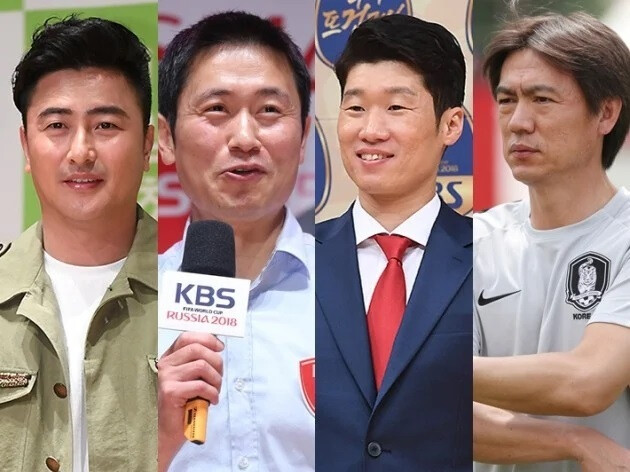
The "Reformist" Icons: Will They Step Up? With the "Hyundai family," which has steered the KFA for decades, expected to refrain from fielding a candidate after Chung’s departure, all eyes have turned to the younger generation of football icons. Specifically, public attention is focused on figures like Park Ji-sung, Lee Young-pyo, Ahn Jung-hwan, Park Joo-ho, Jo Won-hee, and Kim Young-kwang—former players turned broadcasters and influencers who have been the most vocal critics of the KFA and head coach Hong Myung-bo over the last two years.
For many fans, these figures represent the hope for change. "Fans want those who have consistently criticized the system to take the reins and fix what is broken," said a football industry insider. "They have made their points through words; now, the fans want to see if they can prove themselves through action."
However, the reality remains complex. While the public clamors for a reformist, these former stars have shown little inclination toward the administrative burden of the KFA. Previous history also paints a grim picture: two years ago, despite similar calls for change, none of the high-profile former players entered the race. Instead, the election saw only President Chung and two other veterans, with Chung securing a landslide victory with 85.7% of the vote.
As the deadline for the by-election approaches, the question remains: will these football icons move from the sidelines of commentary to the hot seat of administration? Or will the fear of becoming the next "scapegoat" of Korean football keep them away? For now, the football world waits, caught between the desperate need for reform and the harsh realities of a role that offers more criticism than credit.
[Copyright (c) Global Economic Times. All Rights Reserved.]