![[등록] 2026-09-01 15:48:31](/support/_updata/banner2/tl181982910_6749.png)


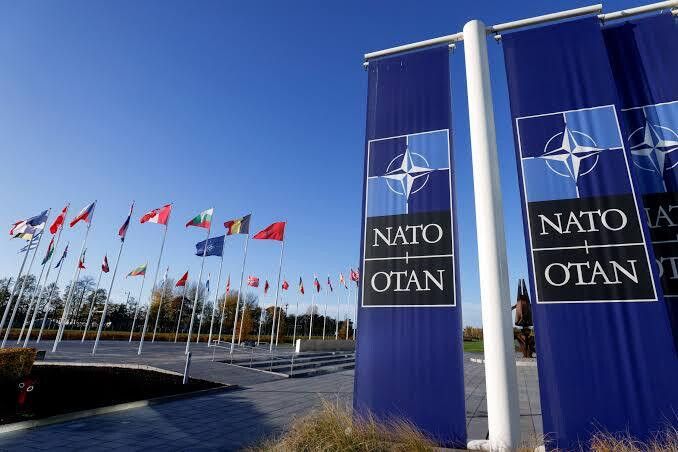
NATO has announced that European allies have successfully filled most of the security gaps created by the reduction of US forces stationed in Europe, signaling a significant shift toward a more self-reliant defense posture.
General John Stringer, Deputy Supreme Allied Commander Europe (DSACEUR), stated in an interview with Bloomberg TV on July 3 (local time) that European member states have effectively compensated for the adjustments in US troop levels. General Stringer emphasized that this development serves as clear evidence of a "stronger Europe within a stronger NATO."
This statement comes amidst ongoing tensions regarding the US military presence in Europe. Since the reelection of President Donald Trump, the US administration has frequently criticized NATO members for allegedly "free-riding" on American security guarantees. The US has openly discussed plans to reduce its troop presence in Europe, arguing that such redeployments are necessary to respond more effectively to emerging geopolitical conflicts across the globe.
Last month, US Secretary of Defense Pete Hegseth added to the growing anxiety in European capitals by announcing during a NATO defense ministerial meeting that the US would conduct a comprehensive review of its European military footprint over the next six months.
Addressing these concerns, General Stringer clarified that even if European nations cannot provide an equivalent number of soldiers to match US force reductions, they are prepared to utilize other strategic assets to maintain equivalent military effectiveness. He noted that burden-sharing within Europe is being conducted in a rational and proportional manner, firmly grounded in military logic rather than political convenience.
Beyond the issue of troop deployments, the discussion also touched upon the critical matter of defense spending. General Stringer addressed the recent resignation of UK Defence Secretary John Healey, who stepped down amid internal government disagreements over the prioritization of increasing defense expenditures.
Stringer reiterated the collective commitment made by all 32 NATO member states to raise defense spending to 3.5% of their Gross Domestic Product (GDP) by 2035. He stressed that this goal is non-negotiable, stating, "There are no exceptions to this target. This is what we have all agreed upon, and this, quite clearly, includes the United Kingdom."
As NATO faces a shifting global security landscape, this declaration highlights the alliance's determination to ensure that European nations take greater responsibility for their own regional security, fostering a more balanced transatlantic partnership. The path toward a 3.5% GDP defense spending threshold remains a litmus test for the commitment of member states to the long-term stability and integrity of the alliance.
[Copyright (c) Global Economic Times. All Rights Reserved.]