![[등록] 2026-09-01 15:48:31](/support/_updata/banner2/tl181982910_6749.png)


For centuries, a woman reading a book was often viewed with suspicion, if not outright hostility. While today’s cultural landscape—often defined by trends like "text-hip"—celebrates women as the primary drivers of book culture, the historical reality was starkly different. For a long time, the image of a "reading woman" was perceived as a threat to social order, a source of fear that women would neglect their domestic duties or challenge patriarchal hierarchies.
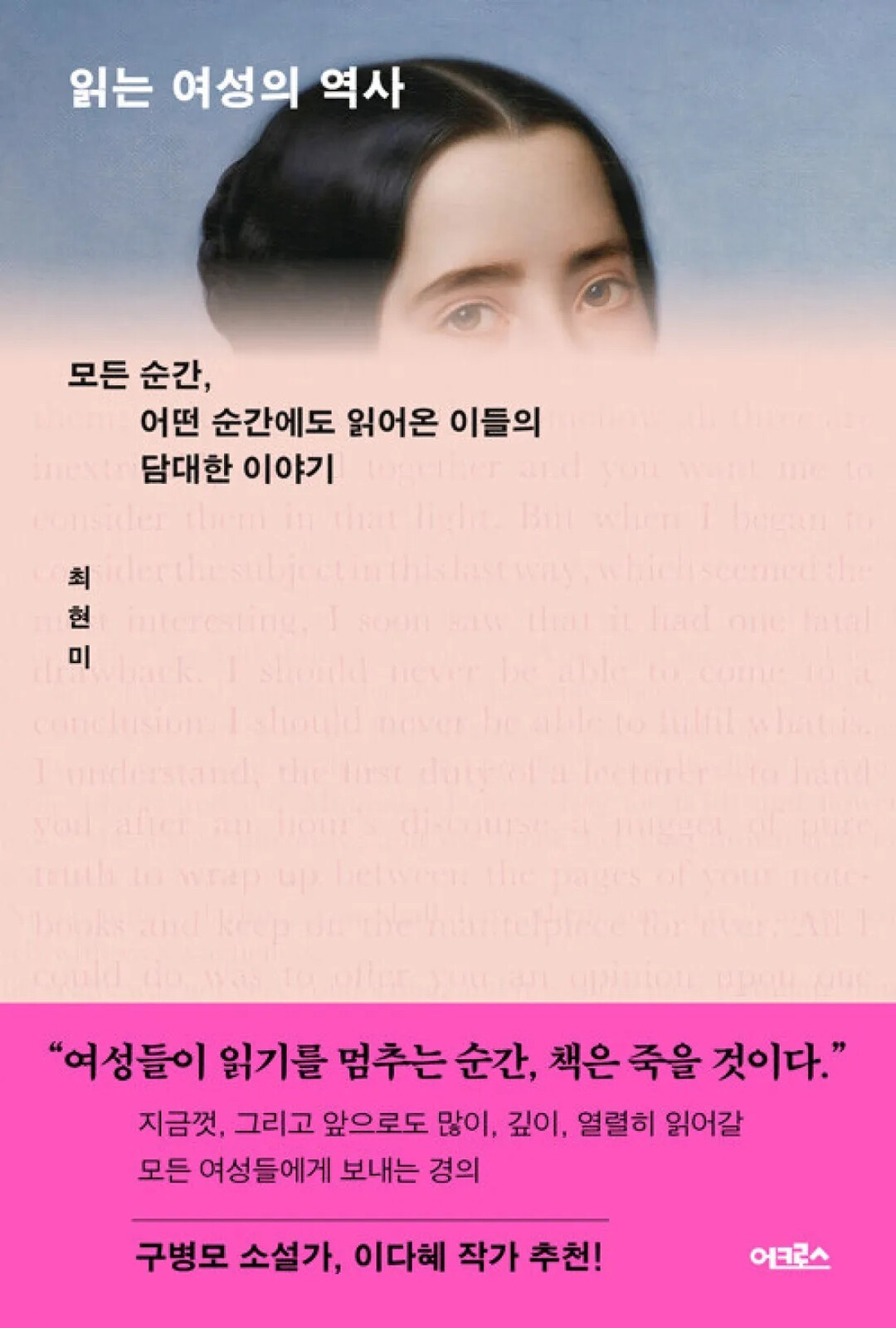
In her compelling new book, The History of Reading Women (published by Across), author Choi Hyun-mee, a veteran culture journalist with three decades of experience, meticulously traces this long, arduous journey. She explores how women, despite relentless taboos and systemic suppression, persistently read, wrote, and expanded their intellectual worlds.
From Ancient Scribes to Secret Book Clubs
Choi’s narrative spans thousands of years, traversing geography and culture to restore the erased voices of female readers. She begins with the female scribes of Babylonian temples, moves through medieval nuns who sought solitude to pursue learning, and highlights the Joseon Dynasty’s women scholars who were only acknowledged for their intellectual prowess after their deaths.
The book documents the ingenious ways women circumvented barriers. In medieval times, the "Book of Hours" opened the era of private reading for women. In the late Joseon Dynasty, women famously pawned their hairpins just to rent and read novels from sechaekjeom (commercial book-lending shops). During the Japanese colonial period, clandestine women’s reading groups served as intellectual sanctuaries. These are not merely historical footnotes; they are enduring testaments to women’s refusal to be silenced.
A History of Conflict and Empowerment
The history of women's reading is defined by the constant collision between "forces of exclusion" and "forces of progression." Choi shares the story of Nawojka, a 15th-century Polish woman who, barred from university education, attended lectures under the name of her deceased brother. In the United States, Jane Cunningham Croly, a journalist denied entry to a banquet for Charles Dickens, responded by founding "Sorosis," an all-women’s club that evolved into a powerful social movement advocating for women's suffrage.
Choi argues that the history of women reading is more than a branch of intellectual history; it is a fundamental part of the history of human rights and resistance. For women throughout the ages, reading was not just a pastime—it was a form of self-reflection and a tool for social evolution. Every book read in secret and every intellectual connection made through a reading group contributed to the slow, steady process of claiming agency in a world that tried to define them by their domestic silence.
Reading as a Daily Act of Liberation
Ultimately, The History of Reading Women is a tribute to the ordinary readers of the past and present. It honors the daily, quiet act of reading—a practice that allowed women to look inward, reclaim their identities, and strive for a better future.
By recovering these erased narratives, Choi reminds us that the history of reading is, at its core, a history of liberation. Women did not just read books; they read themselves into existence, using words to dismantle the walls that kept them from the world. As we look at the thriving community of women readers today, we are witnessing the culmination of a struggle that began long ago, in the hidden corners of libraries and the hushed spaces of secret meetings. This book is a profound reminder that the simple act of turning a page has always been, and continues to be, a radical act of courage.
[Copyright (c) Global Economic Times. All Rights Reserved.]