![[등록] 2026-09-01 15:48:31](/support/_updata/banner2/tl181982910_6749.png)


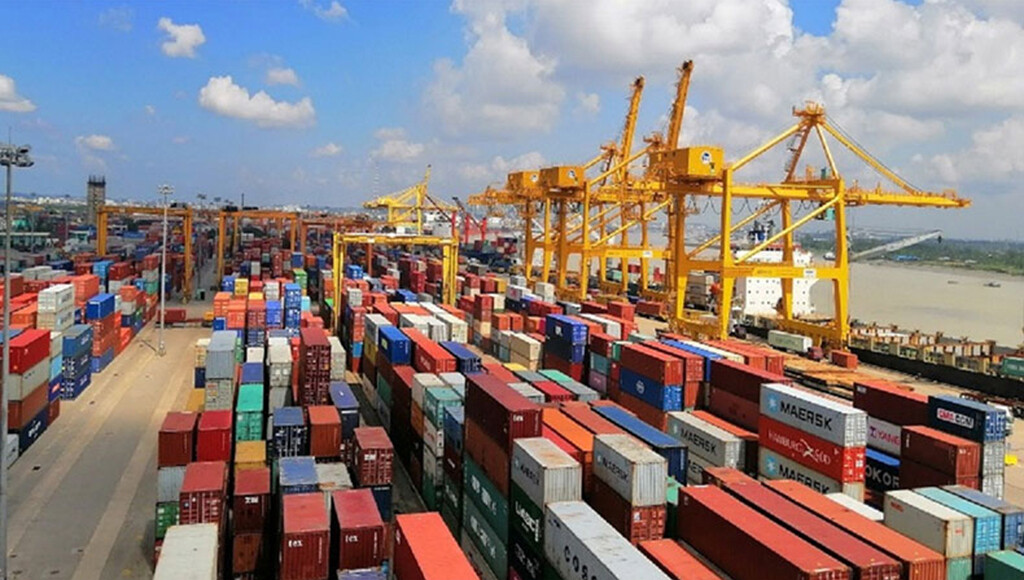
The Incheon Port Authority (IPA) has announced a significant restructuring of its long-standing incentive program, aiming to reinvigorate cargo traffic and solidify the port’s position as a premier logistics hub in Northeast Asia. The move comes as IPA seeks to modernize its support framework for shipping lines, shippers, and freight forwarders, ensuring that incentives are both performance-driven and strategically aligned with market demand.
A Data-Driven Strategic Shift
Since its inception in 2006, the IPA’s incentive scheme has been a cornerstone of its strategy to attract containerized cargo. A recent study conducted by the Incheon National University Industry-Academic Cooperation Foundation underscores the efficacy of these financial mechanisms. The research revealed that every 100 million won invested in incentives yielded approximately 128 million won in port facility fee revenue.
Over the past 19 years, the IPA has disbursed 30 billion won in total incentives, resulting in a substantial economic multiplier effect: 48.7 billion won in production inducement, 18 billion won in added value, and the creation of 244 jobs. These figures validate the necessity of refining the system to maximize future returns.
Introducing the 'Integrated Performance-Based System'
Historically, the IPA operated two distinct incentive tracks: a "volume-based" model (rewarding total throughput) and a "growth-based" model (rewarding year-over-year increases). However, this bifurcation often led to structural inefficiencies, where large-scale shipping lines or forwarders with high absolute volumes failed to qualify for growth-based rewards due to market saturation.
To rectify this, the IPA will launch an "Integrated Performance-Based System" this year. This new model evaluates both total volume and growth rates holistically, ensuring that market leaders and rising logistics players are incentivized fairly and effectively. Furthermore, the geographical scope of route support—previously limited to deep-sea routes in the Americas and Europe—will be expanded to include critical near-sea lanes serving Southwest Asia, Southeast Asia, China, and Japan.
Streamlining and Future Expansion
In an effort to optimize resources, the IPA has decided to abolish the "Special Voyage Incentive," which rewarded the creation of new routes or temporary voyage additions. Data indicated that this specific program had a meager 0.4% conversion rate for permanent new route establishment, prompting the IPA to reallocate these funds toward more impactful areas.
A key highlight of the new strategy is the pilot expansion of incentive eligibility beyond containerized freight to include bulk cargo and automobile transshipment—a move that industry experts view as a forward-thinking response to changing trade dynamics. The decline in bulk cargo volume at Incheon’s Inner and North ports, driven by the relocation of local manufacturing and the trend toward containerization, has necessitated this shift.
"This initiative is designed to overcome the limitations of the current system and sharpen Incheon Port’s competitive edge," said an IPA official. "Our pilot support for bulk cargo is a pioneering move among Korea's port authorities, reflecting our commitment to diversifying our cargo portfolio and adapting to the evolving global logistics landscape."
As Incheon Port navigates the uncertainties of the global trade environment in 2026, the refined incentive program stands as a strategic imperative to ensure sustainable growth and bolster the port's role as a vital gateway for the Seoul Metropolitan Area and beyond.
[Copyright (c) Global Economic Times. All Rights Reserved.]