![[등록] 2026-09-01 15:48:31](/support/_updata/banner2/tl181982910_6749.png)


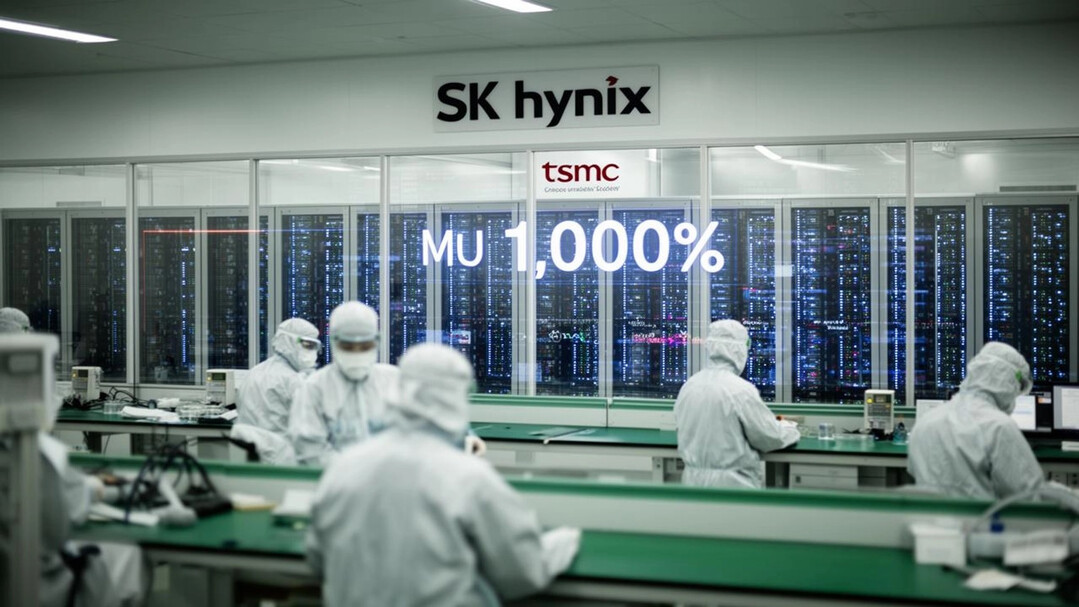
The global semiconductor landscape is witnessing a seismic shift as the Artificial Intelligence (AI) boom propels the "Big Three" memory manufacturers—Samsung Electronics, SK Hynix, and Micron Technology—into an unprecedented era of profitability, with operating margins rapidly approaching the 80% threshold.
According to a report released on July 7 by market intelligence firm Counterpoint Research, the global memory market is projected to exceed 350 trillion KRW in the second quarter of 2026. The report highlights that the combined revenue of Samsung’s Device Solutions (DS) division, SK Hynix, and Micron is expected to surpass 280 trillion KRW, driven by skyrocketing demand for high-performance memory.
Industry analysts observe that the fervor for High Bandwidth Memory (HBM), initially ignited by AI server requirements, has now spilled over into general-purpose DRAM, signaling a structural growth phase for the entire industry.
Micron Technology set the tone for this record-breaking quarter. In its fiscal third-quarter earnings report released late last month, the company posted revenue of $41.46 billion, marking a staggering 345.7% increase year-over-year. Most impressively, Micron achieved an operating margin of 81.2%, up significantly from 69% in the previous quarter.
Sanjay Mehrotra, CEO of Micron, remarked, "Our record-breaking performance and strong outlook for the next quarter underscore the strategic value of memory in the AI era." He added that long-term supply agreements (LTAs) are further enhancing the predictability and sustainability of future earnings. Micron is currently accelerating the supply of 6th-generation HBM4 and preparing for the mass production of HBM4E.
Samsung Electronics mirrored this success, announcing preliminary second-quarter results with revenue of 171 trillion KRW and an operating profit of 89.4 trillion KRW—an extraordinary 1,810.3% increase compared to the same period last year. While the company did not disclose granular data by division, market experts confirm that the semiconductor (DS) division was the primary driver of this historic performance, marking three consecutive quarters of record-breaking growth.
The current profitability surge is not merely a transient spike but the result of a severe supply-demand imbalance. Counterpoint Research notes that while major manufacturers are aggressively expanding production capacity and securing LTAs, the scale of AI investment continues to outpace supply chain capabilities.
"The fact that memory manufacturers have reached record operating margins confirms that memory has become the core infrastructure of the AI industry," said a representative from Counterpoint Research. "Years of constrained capital expenditure in the memory sector have exacerbated the current supply shortage, which is unlikely to be fully resolved until at least the end of this year, with capacity expansion effects not expected to materialize fully until after 2028."
As the world moves deeper into the AI era, the "Big Three" are strategically positioning themselves to maintain their dominance. With AI demand diversifying from data centers to mobile devices and automotive applications, the memory super-cycle is expected to redefine the financial landscape for semiconductor companies for the foreseeable future. The persistent supply bottleneck remains a critical factor, ensuring that the seller's market remains firmly intact through 2026.
[Copyright (c) Global Economic Times. All Rights Reserved.]