![[등록] 2026-09-01 15:48:31](/support/_updata/banner2/tl181982910_6749.png)


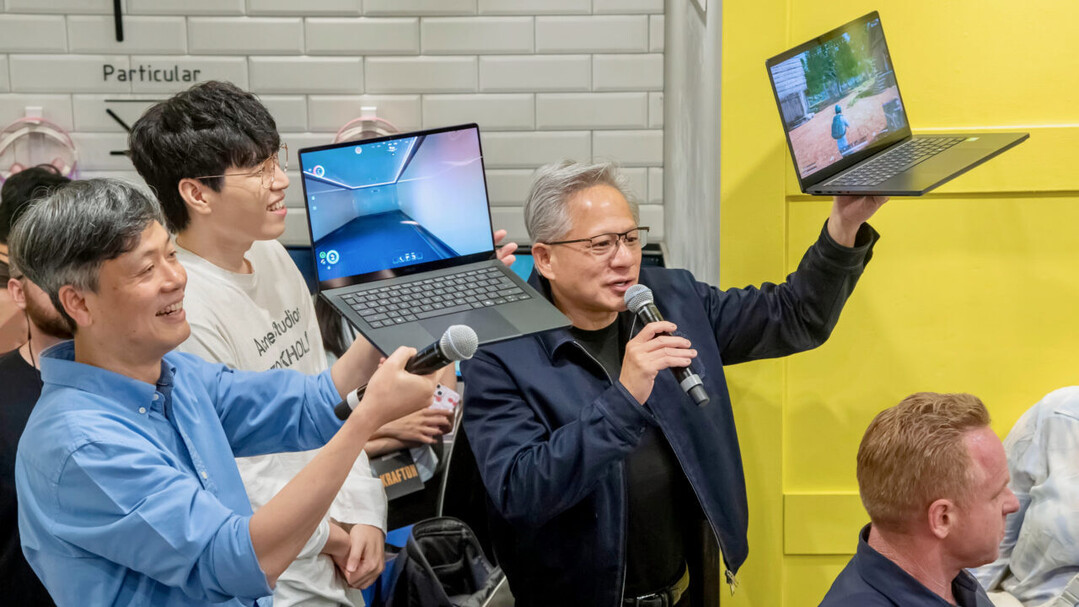
As the artificial intelligence industry pivots from text-based chatbots to "physical AI"—AI integrated with hardware that operates directly within the physical world—NVIDIA CEO Jensen Huang has spotlighted South Korea as a pivotal player. During his high-profile visits, including his keynote address and subsequent trips to Seoul, Huang declared that robotics has entered its "ChatGPT moment," pointing to advanced K-robots and manufacturing infrastructure as the blueprint for the future. Moving beyond simple hardware supply chains, NVIDIA and South Korean tech giants are forging a deep alliance to capture the next wave of global innovation.
Manufacturing Prowess as the Ultimate Catalyst
Physical AI cannot rely on software algorithms alone. It demands a robust physical foundation comprising semiconductors, sensors, motors, actuators, batteries, and, most importantly, real-world manufacturing environments where systems can be trained and validated.
South Korea stands out globally due to its unmatched industrial ecosystem. Spanning semiconductors, automobiles, batteries, shipbuilding, and defense, the nation commands world-class manufacturing competitiveness. Because physical AI requires massive amounts of real-world operational data to function safely and efficiently, South Korea provides an irreplaceable testing ground. This unique advantage places the country in a strategic position between the U.S., which leads in software and capital, and China, which dominates mass-production supply chains.
The Global Duopoly: U.S. Software Power vs. China's Scale
The global race for physical AI supremacy is currently led by the United States and China, each wielding distinct advantages:
The United States: Backed by massive capital reserves and software dominance, American tech giants—including NVIDIA, Microsoft, Alphabet, and Tesla—drive cutting-edge AI models, foundational research, and cloud architecture. Billions of venture capital dollars continuously fund innovative AI startups, accelerating software-to-hardware integration.
China: Fueled by an extensive manufacturing network, government-backed initiatives, and rapid commercial deployment, China excels at scaling hardware production. Companies are aggressively embedding humanoid robots directly into active assembly lines, demonstrating rapid real-world execution despite international trade restrictions.
Overcoming Structural Limitations Through Global Partnerships
To thrive amid this fierce U.S.-China rivalry, South Korea must leverage its hardware strengths while actively pursuing global software alliances. Collaborative partnerships between domestic conglomerates and American tech leaders bridge the gap between local manufacturing excellence and advanced AI models.
However, structural challenges remain. South Korea’s relatively small domestic market limits internal data collection at scale, and talent retention continues to be a critical concern. Industry experts emphasize that overcoming these barriers requires proactive regulatory reforms and aggressive investments in native technological capabilities and workforce development. By transforming its industrial ecosystem into a core global infrastructure hub rather than a mere component supplier, South Korea can secure its position as a powerhouse in the physical AI era.
[Copyright (c) Global Economic Times. All Rights Reserved.]