![[등록] 2026-09-01 15:48:31](/support/_updata/banner2/tl181982910_6749.png)


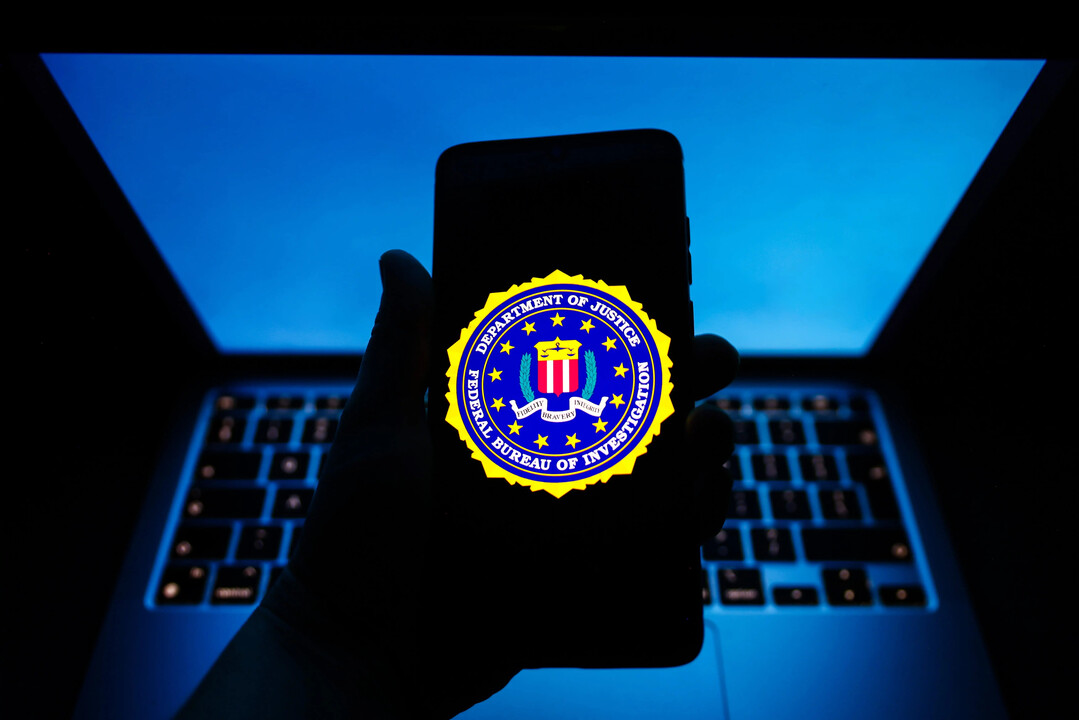
(C) Cyber Scoop
WASHINGTON D.C. — In a breach that has sent shockwaves through the American intelligence community, federal authorities have identified China as the primary suspect behind a sophisticated cyberattack on the Federal Bureau of Investigation’s (FBI) internal networks.
The breach, first detailed by the Wall Street Journal on Friday, involves unauthorized access to highly sensitive systems containing warrant information for criminal suspects and surveillance targets. According to sources familiar with the ongoing investigation, the compromised data includes call logs, Internet Protocol (IP) addresses, and communication routing information. While officials noted that the actual content of voice conversations was not stored within this specific system, the metadata provides a virtual roadmap of federal investigative priorities and methods.
The Shadow of 'Salt Typhoon'
U.S. investigators are currently probing whether the intrusion is the work of "Salt Typhoon," a notorious hacking collective linked to Chinese state intelligence. Active since at least 2019, Salt Typhoon has become a primary concern for the Cybersecurity and Infrastructure Security Agency (CISA).
The group is infamous for its "low and slow" approach—infiltrating networks and remaining undetected for years. In 2024, the same group was linked to breaches at major telecommunications providers, including Verizon, AT&T, and Lumen Technologies. In those instances, hackers bypassed the very systems designed to allow law enforcement to conduct court-authorized wiretapping, effectively "watching the watchers."
A Pattern of Escalation
The FBI breach is not an isolated incident but part of a broader, aggressive campaign targeting the U.S. political and legal infrastructure. Previous reports indicated that Chinese hackers successfully targeted the communications of high-ranking officials within the 2024 presidential campaigns, including figures associated with Donald Trump’s inner circle.
"We are dealing with an adversary that utilizes a vast ecosystem of private-sector contractors to carry out state-sponsored espionage," a senior security official stated. "This hybrid model allows for plausible deniability while maintaining a relentless pressure on Western digital defenses."
The FBI’s Response
In an official statement, the FBI confirmed it had identified and neutralized "suspicious activity" within its network. The Bureau emphasized that it had deployed all available technical resources to mitigate the damage. However, the fact that it took years for U.S. authorities to fully grasp the scope of Salt Typhoon’s global operations—which have reportedly spanned over 80 countries—highlights a persistent gap in proactive cyber detection.
Technical Breakdown: The Vulnerability of Lawful Access
The irony of the situation is not lost on security experts. The hackers appear to be exploiting the "backdoors" mandated by law for government surveillance.
By gaining access to these specialized routing systems, foreign intelligence services can potentially:
-Identify who the FBI is currently investigating.
-Monitor the technical methods used by U.S. agents to track suspects.
-Anticipate federal raids or arrests by tracking warrant filings.
Geopolitical Ramifications
The timing of this revelation adds further strain to the already precarious U.S.-China relationship. While Beijing has consistently denied involvement in state-led hacking, U.S. officials are increasingly vocal about the "unprecedented" scale of Chinese cyber operations.
As the investigation continues, the focus has shifted toward "Zero Trust" architecture and a total overhaul of how federal warrant data is siloed and encrypted. For now, the U.S. government remains on high alert, bracing for the possibility that other critical infrastructure—ranging from energy grids to water systems—may already be harboring similar "Typhoon" sleeper cells.
[Copyright (c) Global Economic Times. All Rights Reserved.]