![[등록] 2026-09-01 15:48:31](/support/_updata/banner2/tl181982910_6749.png)


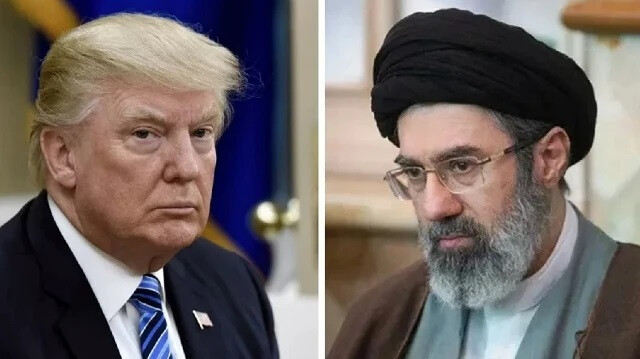
ISLAMABAD — The highly anticipated second round of peace negotiations between the United States and Iran has collapsed after the Iranian delegation failed to arrive at the summit in Islamabad, Pakistan. Despite the diplomatic breakdown, President Donald Trump has unilaterally declared an indefinite extension of the current ceasefire, narrowly avoiding a catastrophic escalation in the Middle East.
A Failed Summit and Broken Frameworks
The talks, mediated by Pakistan, were scheduled for April 21. However, the doors to diplomacy slammed shut when Tehran announced it would not send its representatives. According to Iran’s Tasnim News Agency, the decision stemmed from allegations that Washington violated the "10-point framework" established in preliminary discussions and continued "hostile acts," specifically the ongoing maritime blockade of the Strait of Hormuz.
In response to the Iranian no-show, the departure of the U.S. delegation, led by Vice President JD Vance, was abruptly canceled.
Trump’s Strategic Pivot: Ceasefire via Social Media
In a characteristic shift of tone, President Trump took to Truth Social to announce the ceasefire extension. This move came just hours after he suggested in a CNBC interview that the U.S. was prepared to "resume bombings."
"I have received a request from Pakistan to withhold attacks until the Iranian leadership can present a unified proposal," Trump posted. "The ceasefire will be extended until discussions are finalized."
While the move prevents immediate kinetic warfare, it leaves the region in a state of strategic limbo. Trump clarified that while active strikes are paused, the U.S. military remains on high alert and will maintain its "maximum pressure" blockade on Iranian shipping.
Tehran’s Defiance and Internal Strife
Iran has officially refused to recognize Trump’s unilateral extension. State media reported on April 22 that Tehran views the move as a "time-buying tactic" designed to facilitate a surprise attack.
The diplomatic stalemate is further complicated by severe infighting within the Iranian regime. Reports from Axios and The Economist suggest a deepening rift between:
The Pragmatists: Led by Parliament Speaker Mohammad Baqer Qalibaf, who favor a diplomatic exit.
The Hardliners: Led by IRGC Commander Ahmad Vahidi, who maintains direct ties to Supreme Leader Mojtaba Khamenei and rejects the legitimacy of the current negotiating team.
Economic Pressure and Political Stakes
The U.S. continues to wield its economic "stick." The Treasury Department recently imposed new sanctions on entities supporting Iranian weaponry, while the U.S. Navy has seized several Iranian-linked vessels, including the tanker Tiffany, in the Gulf of Oman.
Analysts suggest Trump’s restraint is tied to domestic politics. With his approval ratings hovering in the low 30s, a full-scale Middle Eastern war could be a fatal blow ahead of the November midterms. By accepting Pakistan's mediation plea, Trump has secured a "political off-ramp" while maintaining his image as a tough negotiator.
[Copyright (c) Global Economic Times. All Rights Reserved.]