![[등록] 2026-09-01 15:48:31](/support/_updata/banner2/tl181982910_6749.png)


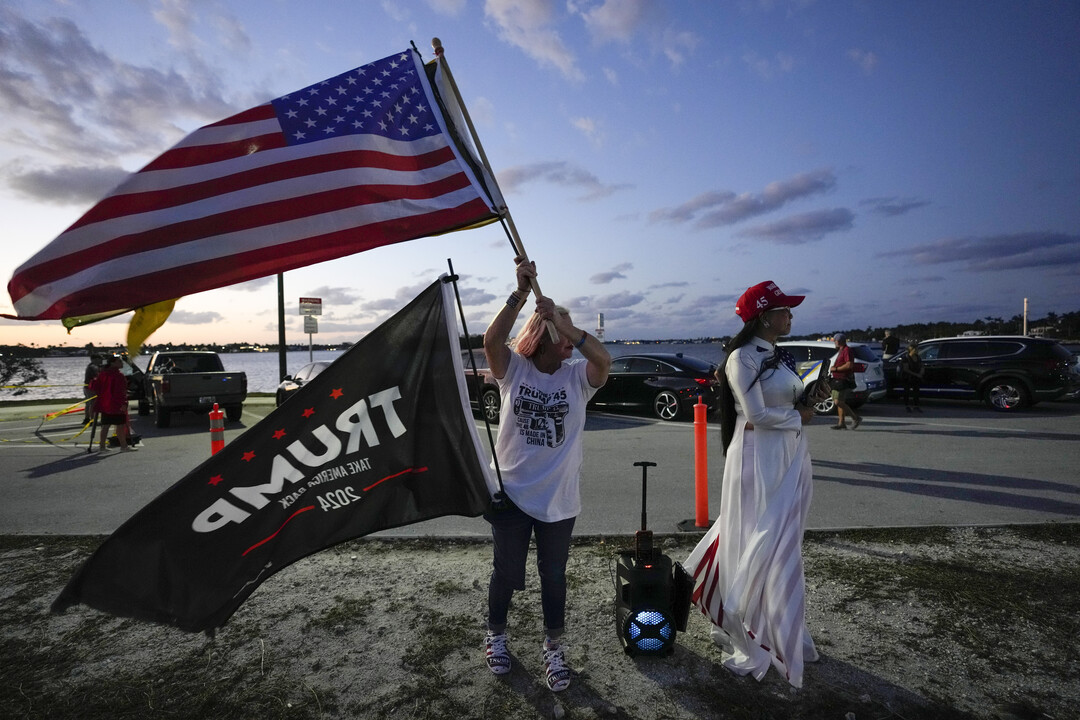
(C) WGN
NEW YORK — With the 2026 midterm elections fast approaching, the Republican Party is grappling with a profound sense of "total crisis." The dual headwinds of the ongoing Iran conflict and a relentless "inflation shock" are eroding support in traditional GOP strongholds, leaving party strategists fearing a legislative wipeout in November.
The "Gasoline Trauma" and Fading Approval
The primary driver of this political instability is the skyrocketing cost of living, catalyzed by the war in the Middle East. As gasoline prices reach historic highs, the "economic feel" of the average voter has soured. According to a recent Navigator Research poll, a staggering 71% of voters identify the Iran war as the root cause of rising fuel costs, while 65% explicitly disapprove of President Trump’s handling of energy policy.
These economic grievances are reflected in the President’s polling numbers. Currently, President Trump’s approval rating hovers around 39%, a precarious position for any incumbent party.
"If the President’s approval rating dips into the mid-30s, the upcoming election will be a 'bloodbath' for the GOP," warned a Republican strategist from Georgia.
Cracks in the "MAGA" Base
The crisis is not just external; internal fissures are beginning to show. Even within the "MAGA" (Make America Great Again) movement, the burden of rising living costs is creating friction. For the first time in years, party insiders are openly discussing "Trump responsibility," suggesting that the administration's foreign policy choices have directly exacerbated domestic financial pain.
Recent electoral data supports this anxiety. In a recent special congressional election in Georgia, while the Republican candidate managed to retain the seat, the margin of victory plummeted from 29 percentage points in 2024 to just 12 points. This narrowing gap in deep-red territory suggests that the Democratic Party’s focus on "fuel cost relief" is resonating with voters who previously felt ignored.
A Strategy of "One Big Beautiful Act"
The White House, however, remains publicly defiant. Press Secretary Karoline Leavitt announced that the President will soon embark on a tour of swing states, including Arizona and Nevada, to highlight the administration's economic achievements.
The administration is banking on the full implementation of the "One Big Beautiful Act"—a signature policy package intended to stimulate long-term growth. White House officials argue that once the benefits of this legislation reach the public, the current "war-time inflation" narrative will be neutralized by a robust recovery.
The Road to November
Despite the optimistic messaging from the West Wing, field strategists remain skeptical. Barrett Marson, a GOP strategist based in Arizona, noted that "the current unfavorable trend is difficult to reverse in the short term," adding that "the remaining time until Election Day is not on the President’s side."
As the conflict in Iran persists and the price at the pump remains a daily reminder of economic volatility, the Republican Party finds itself in a defensive crouch. Whether the "One Big Beautiful Act" can act as a political life raft—or if the party will be submerged by a wave of voter discontent—remains the defining question of the 2026 political cycle.
[Copyright (c) Global Economic Times. All Rights Reserved.]