![[등록] 2026-09-01 15:48:31](/support/_updata/banner2/tl181982910_6749.png)


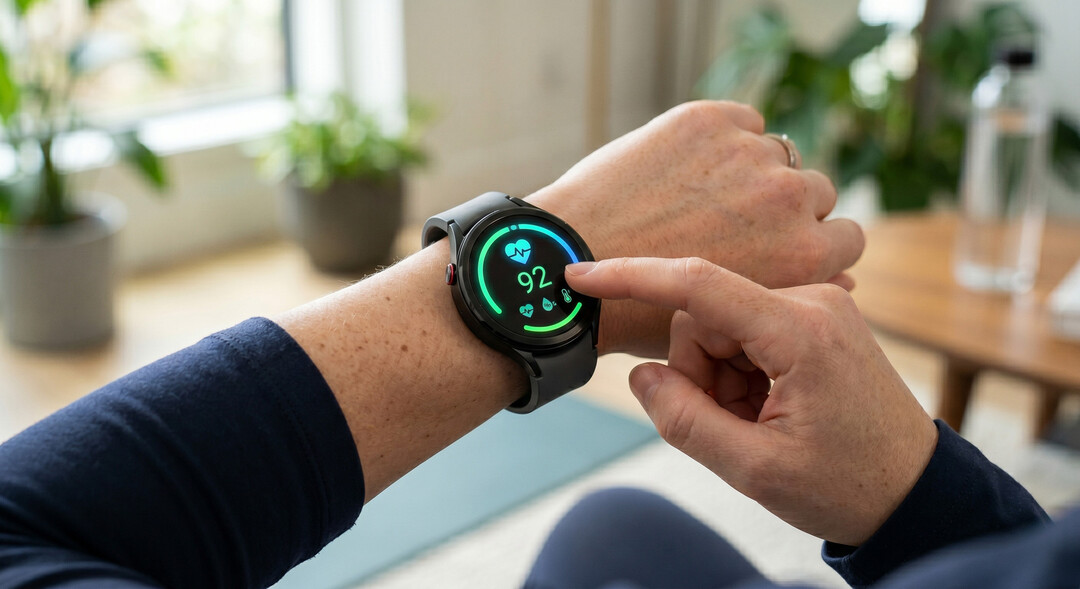
SEOUL — Samsung Electronics is set to aggressively expand its wearable healthcare ecosystem by embedding a comprehensive suite of artificial intelligence-driven health management features into its next-generation smartwatch lineup, expected to debut as the Galaxy Watch9 later this year. Alongside the hardware launch, the tech giant announced a sweeping overhaul of its core Samsung Health application, re-anchoring its user experience around five distinct wellness domains: sleep, physical activity, nutrition, mental well-being, and vital signs.
According to an official statement released by the company on June 4, the revamped Samsung Health app will roll out beginning June 8, offering an early look at the advanced diagnostic features slated for the upcoming wearable. The newly introduced metrics include a comprehensive Vital Signs monitor, a long-term Heart Health Score, Daily Cardio Load tracking, a peer-comparative Physical Fitness Index, and an ambient Hearing Health assessment tool. Samsung stated that these features are engineered to illuminate subtle physiological shifts that users often fail to recognize, thereby enabling proactive health habits in everyday life.
The cornerstone of this update is the Vital Signs feature. When a user wears the Galaxy Watch consistently during sleep for at least one week, the device tracks five foundational biometric markers: resting heart rate, heart rate variability (HRV), respiratory rate, skin temperature, and blood oxygen saturation (SpO2). By synthesizing this multi-layered data, the system establishes a highly personalized baseline for the user. If any anomalous fluctuations or meaningful deviations from this baseline occur, the app triggers an immediate notification, allowing users to catch potential physiological irregularities at an early stage.
Complementing the vitals tracker is the newly engineered Heart Health Score. Rather than offering a mere snapshot of cardiovascular metrics, this tool analyzes long-term trajectories of sleep patterns, daily activity volumes, body composition, and vascular stress variations to distill an individual's overall cardiovascular resilience into a single, comprehensive score. To ensure the feature drives behavioral change, Samsung is bundling it with tailored lifestyle guidance; for instance, if the algorithm detects prolonged sleep deprivation, it dynamically serves contextual sleep-optimization recommendations to mitigate cardiovascular strain.
For fitness enthusiasts, the update introduces a dual-pronged athletic assessment system. The Daily Cardio Load metric continuously monitors the cumulative physiological stress exerted on the cardiovascular system throughout the day, providing an analytical framework to help users balance high-intensity training with adequate recovery periods. Meanwhile, the Physical Fitness Index contextualizes a user's physical capabilities by cross-referencing their heart rate metrics and VO2 max data against a massive, anonymized database of Samsung Health users within the same age cohort, mapping out clear strengths and areas requiring conditioning.
Expanding its sensory reach beyond internal biometrics, Samsung has also introduced environmental health monitoring through a new Hearing Health feature. This tool utilizes the Galaxy Watch's microphone to log ambient environmental noise levels and integrates volume data from paired Galaxy Buds. By computing total cumulative sound exposure, the app informs users when they are entering hazardous acoustic environments and delivers ear-protection guidelines.
Furthermore, Samsung has refined its pre-existing metabolic monitoring tools. The Antioxidant Index and Advanced Glycation End-products (AGEs) Index have been updated with dynamic trend charts, allowing users to visualize metabolic trajectories over extended periods alongside curated dietary coaching content.
Honsoo Park, Head of the Digital Health Team at Samsung’s MX Business, emphasized that the ultimate goal is to leverage AI to make complex medical data accessible and deeply practical for everyday consumers. The newly unveiled features will debut natively on the upcoming autumn hardware and will be deployed sequentially to select legacy Galaxy Watch models via future software updates.
[Copyright (c) Global Economic Times. All Rights Reserved.]