![[등록] 2026-09-01 15:48:31](/support/_updata/banner2/tl181982910_6749.png)


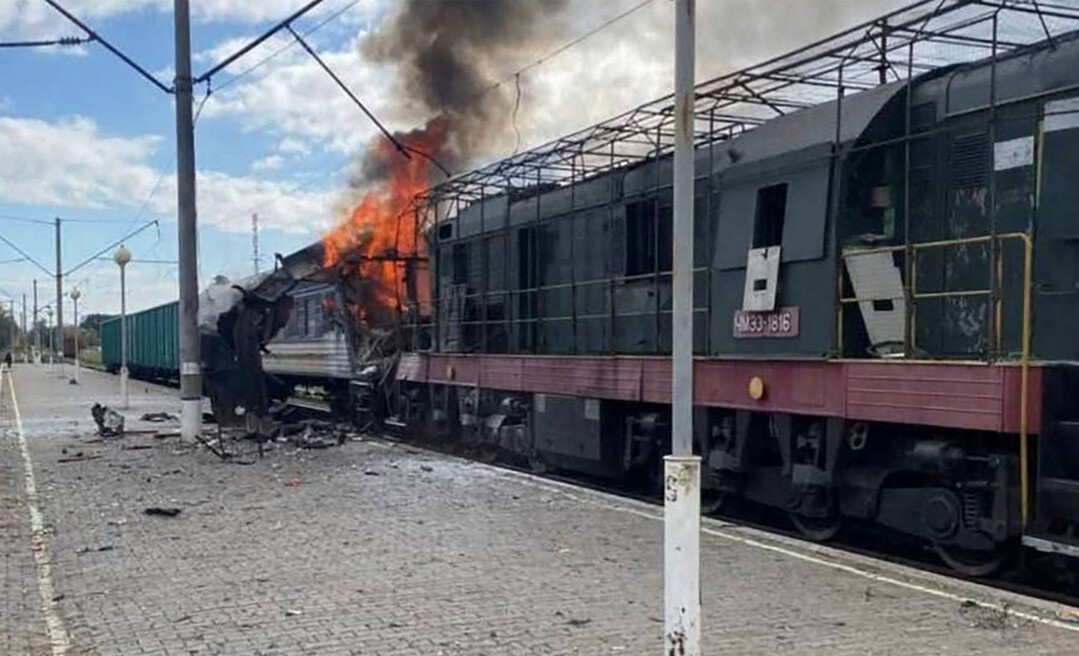
A Russian drone strike on a railway station in the Sumy region of northern Ukraine on October 4 killed one person and injured at least 30 others, further intensifying Russia’s campaign against Ukraine's civilian infrastructure. The attack, which struck two passenger trains in the town of Shostka, is the latest incident in a series of Russian assaults that have repeatedly targeted Ukraine’s vital railway network and energy facilities ahead of the approaching winter.
Deadly Attack on Shostka Railway
The attack occurred in the morning at the railway station in Shostka, a community in the Sumy region approximately 75 kilometers (47 miles) from the Russian border. Ukrainian authorities reported that two passenger trains were hit by Russian drones. The initial strike damaged a local commuter train, and a subsequent, so-called "double tap" strike hit a train bound for Kyiv as passengers and staff were being evacuated.
Ukraine's President Volodymyr Zelenskyy condemned the strike as "savage," stating that Russian forces "could not have been unaware that they were striking civilians." Officials from the Prosecutor General's Office later confirmed that a 71-year-old man was killed in one of the wrecked carriages, and at least 30 people, including passengers and railway staff, were wounded. Pictures and videos shared by Ukrainian officials showed a mangled train carriage engulfed in flames.
The state railway operator, Ukrzaliznytsia, strongly criticized the attack, describing it as a "cowardly attack aimed at severing our front-line connection." Ukrainian Foreign Minister Andrii Sybiha accused Moscow of deliberately targeting passenger trains and employing the brutal "double tap" tactic to maximize civilian casualties, including rescuers.
The Escalating Infrastructure War
The deadly railway attack comes amid a significant escalation in the ongoing infrastructure war between the two nations, with both sides trading blows against critical energy facilities. Russian forces have dramatically increased their attacks on Ukraine’s railway network in recent months, striking it almost daily. The rail system is crucial for both military logistics and civilian transport across the country.
Just one day prior to the train strike, on October 3, Ukraine's state-owned energy company, Naftogaz, described a massive overnight air assault by Russia as the largest attack on its gas production facilities since the start of the full-scale invasion in 2022. Naftogaz reported that its facilities in the Kharkiv and Poltava regions were hit by approximately 35 missiles, resulting in "critical damage." Zelenskyy claimed that Russia launched a total of 35 missiles at its gas infrastructure on that day alone, accusing Moscow of attempting to increase civilian suffering as the cold winter season approaches. Furthermore, Russian strikes that night knocked out power facilities in Ukraine's northern Chernihiv region, leaving an estimated 50,000 residents without electricity.
In response, Ukraine has continued its long-range drone campaign against Russian energy targets. The Ukrainian military reported a drone attack on the Kirishi oil refinery in Russia's western Leningrad region, which accounts for 6.4 percent of Russia’s total refining capacity, causing a fire. Regional Russian authorities, however, claimed to have shot down seven uncrewed aerial vehicles and extinguished the industrial site fire.
This renewed focus on railways and energy supplies is seen as a deliberate strategy by Moscow to cripple Ukraine’s economy and military logistics while seeking to break civilian morale ahead of the fourth winter of the war. International partners have repeatedly condemned the attacks on civilian targets and are facing renewed pressure to supply Ukraine with more advanced air defense systems to protect its critical infrastructure.
[Copyright (c) Global Economic Times. All Rights Reserved.]