![[등록] 2026-09-01 15:48:31](/support/_updata/banner2/tl181982910_6749.png)


(C) Mint
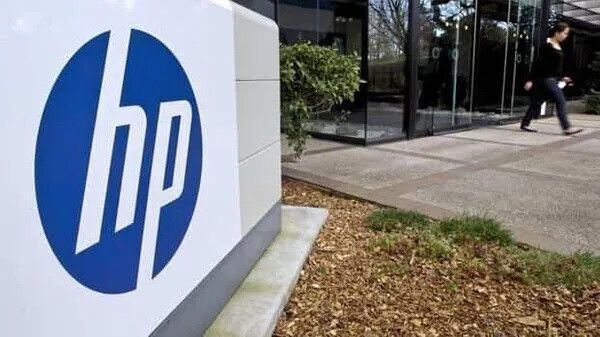
SEOUL - U.S. computer and printer giant HP (Hewlett-Packard) is embarking on a significant restructuring plan, prioritizing aggressive investment in Artificial Intelligence (AI) while simultaneously announcing a workforce reduction of up to 10%. The move, reported by the Wall Street Journal (WSJ) on Tuesday (local time), highlights the profound transformation sweeping the technology sector as companies race to integrate AI capabilities.
Shifting Gears: AI Investment Trumps Traditional Headcount
HP, which currently employs approximately 58,000 staff globally, anticipates that the restructuring will affect an estimated 4,000 to 6,000 employees by the end of fiscal year 2028. This substantial reduction signals a strategic shift in resource allocation, moving away from traditional staffing models toward technological automation and high-value AI functions.
HP CEO Enrique Lores positioned the overhaul as a critical effort to accelerate product and software development, automate internal operations, and enhance customer support through the company-wide adoption of AI.
"We see this as an extraordinary opportunity that we cannot miss to continue to innovate and to continue to be competitive for the next 10 to 20 years," Lores stated. He further emphasized that "Every single job is going to be impacted by AI."
Lores clarified that while certain departments will see a reduction in headcount due to internal AI adoption and automation, other areas will experience increased investment to integrate AI technology directly into HP's products and services. The core strategy is clear: streamline operations through AI-driven efficiency to free up capital for future-focused growth.
The Financial Imperative: $1 Billion in Savings
The company projects that these cost-cutting measures will result in at least $1 billion (approximately 1.46 trillion KRW) in annualized savings by the end of fiscal year 2028.
The decision to restructure comes at a challenging time for HP's core Personal Computer (PC) business. The global surge in AI data center construction has driven up the prices of memory semiconductors, leading to increased operational costs for HP's PC division, as noted by the WSJ. While the company plans to partially offset these rising costs by increasing PC prices and collaborating with lower-cost suppliers, HP acknowledges that the cost pressures are expected to impact its profitability for the current fiscal year.
The restructuring, therefore, serves a dual purpose: not only to modernize the company for the AI era but also to enhance financial resilience amidst tightening margins in the highly competitive hardware market.
A Growing Trend: Tech Giants Downsize Amidst AI Boom
HP’s announcement is the latest in a series of major layoffs across the technology industry, underscoring a broad trend where companies are optimizing their workforces in preparation for an AI-centric future.
Amazon previously announced the dismissal of 14,000 employees in its restructuring efforts.
Meta (formerly Facebook) implemented significant workforce adjustments, eliminating around 600 jobs.
IBM also foreshadowed a Q4 workforce reduction earlier this month, focusing on streamlining its operations to concentrate resources on its high-growth software divisions.
This wave of reductions, often termed "AI-driven efficiencies," suggests a fundamental reshaping of the tech workforce. While AI promises to create new roles and opportunities, it is also rapidly automating routine tasks, leading major corporations to adjust their staffing levels and skill requirements accordingly. The message from Silicon Valley is unambiguous: the successful company of the next decade will be one that can effectively pivot capital and human resources toward the development and implementation of artificial intelligence, even at the cost of existing jobs.
[Copyright (c) Global Economic Times. All Rights Reserved.]