![[등록] 2026-09-01 15:48:31](/support/_updata/banner2/tl181982910_6749.png)


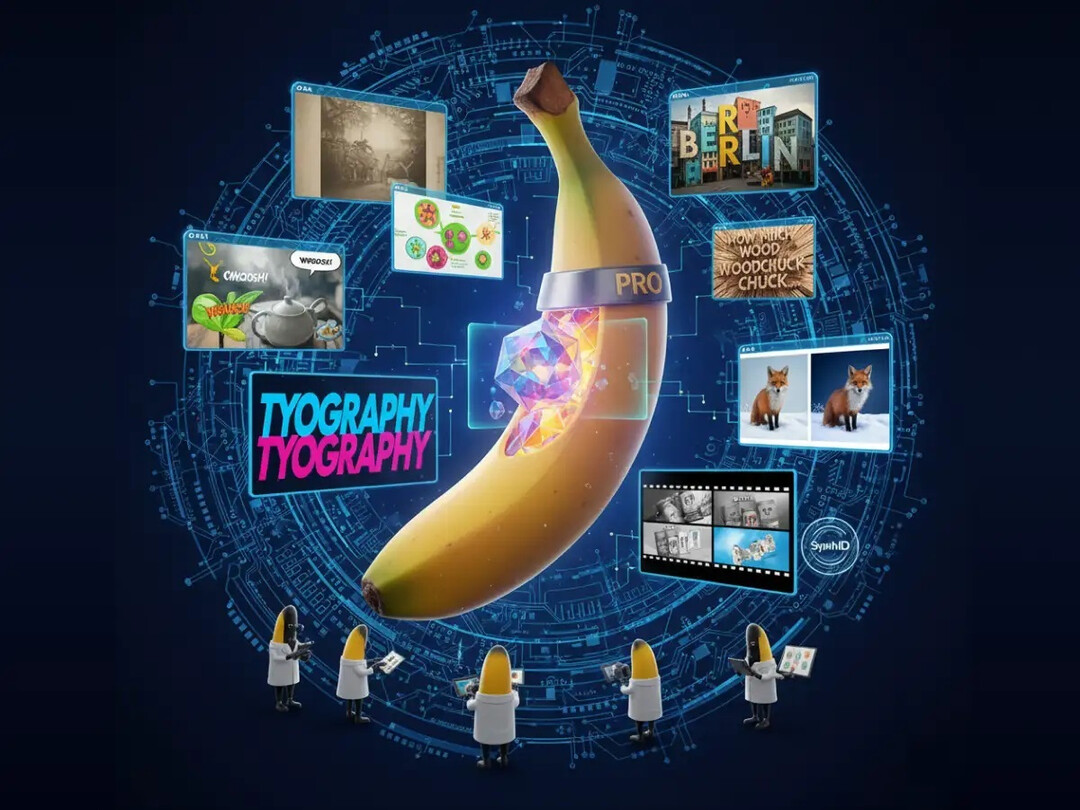
SEOUL — For decades, the leap from a simple 2D floor plan to a high-fidelity 3D interior walkthrough was a bridge paved with gold and patience. It typically required a team of specialized designers, expensive rendering farms, and a budget that could rival the cost of the actual renovation. However, a seismic shift is occurring in the architectural visualization industry. With the release of the Nano Banana 2 AI engine on the OpenArt.ai platform, the barrier to entry for professional-grade interior design has effectively vanished.
From Scribbles to Photorealism
The process, which has recently gone viral on social media platforms like X (formerly Twitter), is deceptively simple. A user can upload a rudimentary sketch—little more than a "napkin doodle" of a floor plan—and the AI, powered by the Nano Banana 2 architecture, instantly interprets the spatial dimensions to construct a 3D environment.
Once the layout is established, the user can select specific vantage points within the virtual home. Within seconds, the AI generates 4K photorealistic images that capture light, texture, and depth with startling accuracy. What used to take a rendering artist days to polish is now delivered in the time it takes to brew a cup of coffee.
Precision Editing: The Power of Multimodal AI
One of the most impressive features of this new technology is its "intelligent furniture replacement." In traditional 3D modeling, swapping a sofa or a kitchen island while maintaining the exact lighting and shadows of the room is a tedious task.
With Nano Banana 2, a user simply uploads a photo of a new piece of furniture and types a single line of instruction. The AI seamlessly integrates the new object into the existing space, preserving the ambient atmosphere and perspective. This level of contextual awareness allows homeowners and developers to experiment with hundreds of interior styles for the price of a few cents per render.
A Walkthrough for the Masses
The final "magic trick" of the program lies in its video synthesis capabilities. By stitching together various generated viewpoints, the AI creates a fluid, three-dimensional video. This allows viewers to virtually "walk through" a house that doesn't even exist yet.
The economic implications are staggering. Industry experts note that high-end 3D visualization packages for large-scale luxury projects can cost upwards of $100,000 and take months to finalize. This new AI-driven workflow reduces that cost to less than a dollar and the timeline to mere minutes.
The Future of Interior Design
While some professional designers express concern over job security, others see this as a liberation from the "grunt work" of 3D rendering, allowing them to focus more on creative concepts rather than technical execution.
"We are moving into an era where the tool is no longer a hurdle," says one tech analyst. "If you can imagine a space and draw a line, Nano Banana 2 can build it. It’s democratization in its purest form."
As AI continues to blur the line between imagination and reality, the interior design industry is bracing for a future where the "professional touch" is available to anyone with a mouse and a dream.
[Copyright (c) Global Economic Times. All Rights Reserved.]