![[등록] 2026-09-01 15:48:31](/support/_updata/banner2/tl181982910_6749.png)


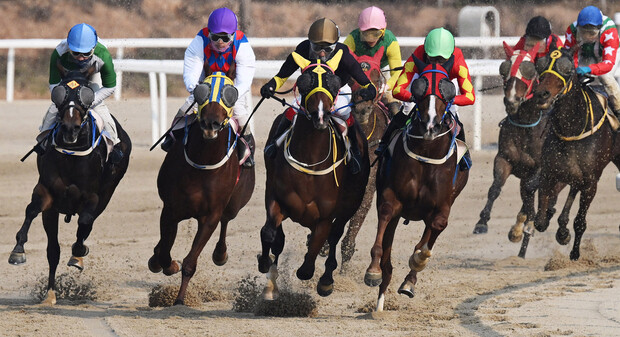
NAMYANGJU – In a strategic move to redefine its urban identity and bolster financial independence, Namyangju City has officially entered the race to host the relocated Gwacheon Racecourse. By integrating the facility with the upcoming Great Train eXpress (GTX) networks and the Wangsuk New Town infrastructure, the city aims to transform the traditional racing venue into a multi-purpose leisure and healing landmark.
A Strategic Hub in Northeast Gyeonggi
On March 7, Namyangju City announced its formal bid to attract the Korea Racing Authority’s (KRA) flagship facility. Mayor Joo Kwang-deok characterized the project not merely as a gambling or sports venue, but as a "strategic engine for the next 100 years."
The city’s primary leverage lies in its rapidly evolving transportation landscape. With the planned GTX-D, E, and F lines, alongside the extensions of Subway Lines 4, 8, and 9, Namyangju is positioning itself as the most accessible point in the northeast Seoul Metropolitan Area. The addition of the Jungbu Connection Private Expressway and proximity to the Seoul-Yangyang Expressway provide a logistical advantage that city officials believe will ensure consistent visitor flow.
Synergy with the 3rd Generation New Town
The bid is timed to coincide with the development of the Wangsuk New Town, the largest among South Korea’s third-generation housing projects. City planners argue that the influx of new residents provides a robust, built-in "back-end demand" (배후 수요).
"The efficiency of linking massive transit flows with high-density residential zones is crucial for the long-term profitability and stability of a facility of this scale," a city representative stated. The project is expected to create a virtuous cycle where the infrastructure built for the racecourse also serves the residents of the new town.
Beyond Racing: The "Blue-Green" Concept
To mitigate the social stigma often associated with horse racing, Namyangju has unveiled a "Blue-Green Tourism Belt" concept. This vision focuses on environmental harmony and public welfare:
Eco-Integration: Development of riverside trails and cycling paths connecting the racecourse to the Han River.
Healing Services: Establishment of "Care Farms" (animal-assisted therapy) and rehabilitation centers for therapeutic horse riding.
Leisure Facilities: Ecological experience zones designed for families and stay-over tourists, moving away from the "day-trip betting" model.
Economic Impact and Fiscal Independence
The economic projections are ambitious. Namyangju estimates that the complex will attract over 4 million visitors annually, generating approximately 50 billion KRW ($38 million USD) in leisure tax revenue every year.
Mayor Joo emphasized that this revenue would be directly reinvested into local welfare and public amenities. "At a time when the city’s structure is being reshaped by GTX and new town developments, hosting the racecourse will be a catalyst for balanced regional growth and economic self-sufficiency," Joo said.
Future Outlook
While the competition for the Gwacheon relocation is expected to be fierce among Gyeonggi municipalities, Namyangju’s bid stands out for its emphasis on "stay-over tourism" and "healing." By pivoting from a simple betting facility to a comprehensive leisure hub, the city hopes to win over both provincial decision-makers and local skeptics.
As the Ministry of Agriculture, Food and Rural Affairs and the KRA move forward with the relocation process, all eyes are on whether Namyangju's "Blue-Green" blueprint will gallop ahead of the competition.
[Copyright (c) Global Economic Times. All Rights Reserved.]