![[등록] 2026-09-01 15:48:31](/support/_updata/banner2/tl181982910_6749.png)


(C) Los Angeles Times
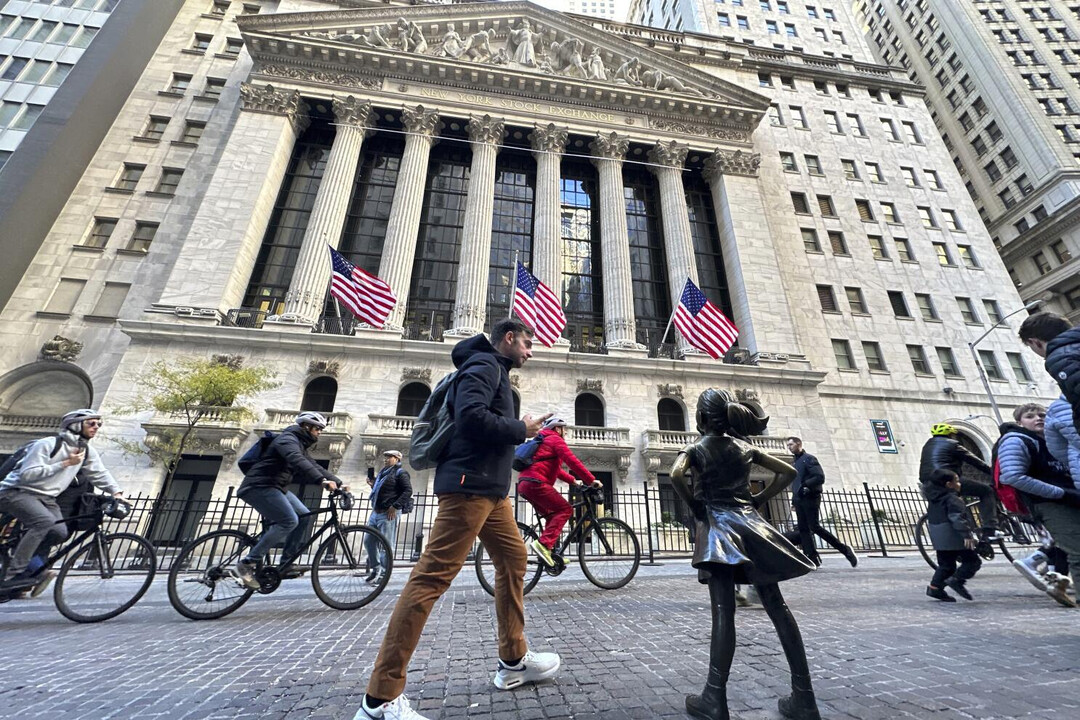
NEW YORK – Major indexes on Wall Street closed lower on Thursday as investors grappled with a "Jekyll and Hyde" labor market report. While headline figures suggested a resilient economy under the second Trump administration, underlying revisions and sector concentration raised red flags for the Federal Reserve.
Strong Headlines, Weak Foundations
According to the U.S. Department of Labor, initial jobless claims for last week fell by 5,000 to 227,000, slightly missing the projected 225,000 but remaining historically low. The four-week moving average for "continuing claims" hit its lowest level in 16 months at 1.84 million, signaling that those currently unemployed are finding work relatively quickly.
January’s non-farm payrolls also surprised to the upside, adding 130,000 jobs and pushing the unemployment rate down to 4.3% from 4.4% in December.
However, the celebratory mood was dampened by a massive downward revision of last year’s data. The Labor Department slashed 862,000 jobs from previous annual estimates, fueling skepticism regarding the reliability of government statistics. Furthermore, job growth was heavily skewed; nearly the entire January gain—124,000 out of 130,000 jobs—came solely from the healthcare and social assistance sectors.
"We know the labor market has weakened overall," said Alexander Morris, CEO of F/M Investments. "There are doubts about whether all data were collected in the usual manner, given the delays in this release."
Fed Officials Signal Caution
The mixed signals have prompted Federal Reserve officials to lean toward a "higher-for-longer" stance on interest rates. Cleveland Fed President Beth Hammack suggested that a significant period of rate freezes might be necessary to ensure economic stability.
Similarly, Lorie Logan, President of the Dallas Fed, signaled a hawkish tone. "If inflation continues to trend downward while employment remains stable, further rate cuts may not be necessary," Logan noted, suggesting that the era of aggressive easing is likely on hold.
Markets Pivot to CPI
The prospect of prolonged high interest rates weighed heavily on the markets, leading to a broad sell-off across the Dow Jones, S&P 500, and Nasdaq.
With the labor market's true health now a subject of intense debate, both the Fed and global investors are pivoting their attention to the upcoming January Consumer Price Index (CPI) report. The inflation data is expected to be the deciding factor in whether the Fed maintains its pause or considers a shift in policy later this spring.
[Copyright (c) Global Economic Times. All Rights Reserved.]