![[등록] 2026-09-01 15:48:31](/support/_updata/banner2/tl181982910_6749.png)


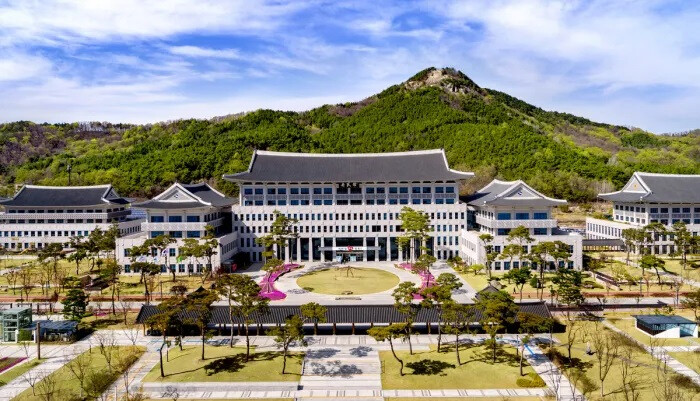
Gyeongju and Mungyeong, key cities in Gyeongsangbuk-do, have been newly selected as 'Pilot Education Development Zones,' a significant step that promises to inject new vitality into regional education and local economies. The designation, announced by the Ministry of Education, positions these cities to leverage their unique strengths to create innovative educational models. This move expands the total number of such zones in the province to 15, signaling a robust and concerted effort to decentralize educational development and tailor it to specific regional needs. This initiative is a cornerstone of the government's strategy to address the dual challenges of youth migration to urban centers and the need for a highly skilled, locally-rooted workforce.
The core of the Education Development Zone program is a collaborative framework that brings together local governments, educational offices, universities, and private enterprises. This synergy is designed to forge a seamless pathway from school to career, ensuring that educational curricula are not only academically sound but also directly relevant to the regional job market. This integrated approach aims to create a virtuous cycle where talented individuals are educated locally, find fulfilling employment within the region, and contribute to its economic and social fabric, thereby stemming the flow of young people away from their hometowns.
Financial and administrative support for the newly designated zones will be substantial. Gyeongju and Mungyeong will each receive up to 3 billion Korean Won annually, totaling 12 billion Won over a four-year period. This funding is crucial for launching new programs and upgrading existing facilities. Beyond financial aid, the zones will benefit from significant administrative advantages, including preferential treatment in competitive government projects, such as those for school complex facilities and specialized high schools. These regulatory exemptions allow for greater flexibility in curriculum development and educational management, empowering local authorities to experiment with new pedagogical approaches without being constrained by rigid national standards.
Gyeongju, a city steeped in history and culture, is poised to harness its rich heritage for educational innovation. With its abundant UNESCO World Heritage sites, Gyeongju's plan focuses on developing talent for its thriving tourism industry. This strategy is multi-faceted, extending beyond traditional hospitality roles to encompass specialized fields such as cultural heritage management, sustainable tourism development, and digital marketing. The city also recognizes the potential of its burgeoning industrial sectors, including automotive parts manufacturing and nuclear energy. By aligning its educational programs with the needs of these industries, Gyeongju aims to produce a versatile workforce capable of excelling in both its traditional economic pillars and its forward-looking sectors. This balanced approach ensures that Gyeongju's future workforce is not only globally competitive but also deeply connected to the city's unique identity.
Mungyeong, on the other hand, is carving out its educational niche by capitalizing on its agricultural and natural resources. The city's 'Omi Village School' and 'Mungyeong Future Education Zone Project' are designed to foster a deep connection between students and their local environment. A standout initiative is the establishment of a cooking school that utilizes Mungyeong's specialty products. This program is more than just culinary training; it is a holistic educational experience that teaches students about healthy eating, local food systems, and the economic value of regional agriculture. By integrating these lessons, the city is cultivating not only skilled chefs and food producers but also young ambassadors for its unique cultural and economic assets. This model serves as an excellent example of how education can be a powerful engine for local economic revitalization, creating opportunities that are both meaningful and sustainable.
Officials from Gyeongsangbuk-do have expressed strong commitment to the success of these new zones. Im Si-young, the head of the Education and Youth Division, stated that the province would provide full administrative support to create an educational environment that encourages students to learn and build their lives within the region. This vision aligns with the broader goal of fostering a Gyeongbuk-specific educational ecosystem that is responsive, innovative, and deeply rooted in local communities. The designation of Gyeongju and Mungyeong as Pilot Education Development Zones is a testament to this commitment and a hopeful sign for the future of regional education in South Korea. The success of these pilot programs could serve as a blueprint for other regions facing similar demographic and economic challenges, paving the way for a more decentralized and resilient national educational system.
[Copyright (c) Global Economic Times. All Rights Reserved.]