![[등록] 2026-09-01 15:48:31](/support/_updata/banner2/tl181982910_6749.png)


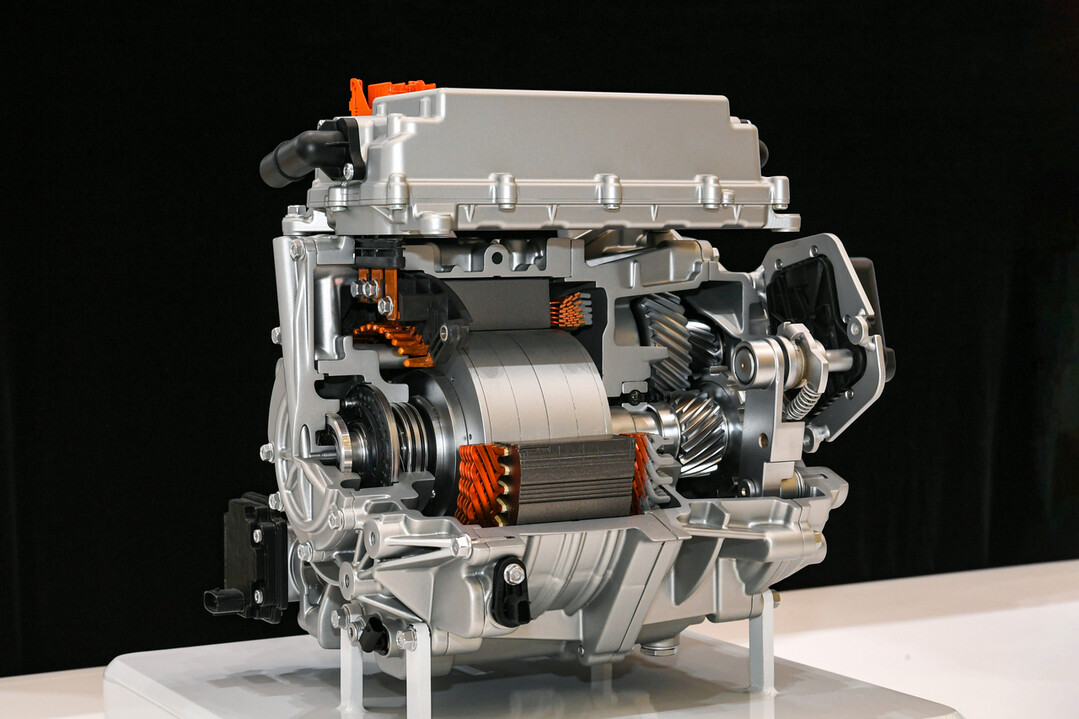
SEOUL — Hyundai Mobis, the South Korean automotive tech giant, has achieved a significant milestone in its transition from a parts assembler to a leading technology provider. On May 7, 2026, the company announced the successful independent development of its 160kW Power Electric (PE) system, a universal "heart" designed to power a wide range of electric vehicles (EVs).
With this latest breakthrough, Hyundai Mobis is on track to finalize a comprehensive PE system lineup by the end of the first half of this year, ranging from compact cars to high-performance sports models.
The Anatomy of a Modern EV Heart
A PE system is the EV equivalent of an internal combustion engine. It integrates three critical components into a single, compact module: the motor, which converts electrical energy into motion; the inverter, which manages power flow and speed; and the reducer, which functions as a transmission to control torque and RPM.
The newly developed 160kW system delivers approximately 215 horsepower, making it the ideal "sweet spot" for mid-sized sedans and SUVs—the most competitive segment in the global EV market.
Technologically, the new system represents a massive leap in efficiency. Compared to previous iterations, the 160kW PE system has achieved a 16% increase in power-to-weight ratio and a 20% reduction in overall volume. This "downsizing" allows automakers more flexibility in vehicle design, enabling spacious cabin interiors or the inclusion of larger battery packs to extend driving range.
Completing the Portfolio: From Compact to High-Performance
The 160kW model follows the company’s 250kW high-performance system unveiled last year, which was designed for premium sports EVs requiring rapid acceleration and high top speeds.
Hyundai Mobis has confirmed that it will complete the development of a 120kW model for compact and small-sized vehicles by the end of June. Once finalized, these three tiers—120kW, 160kW, and 250kW—will allow the company to offer a "one-stop-shop" solution for global automakers, regardless of their target vehicle segment.
Strategic Shift: From Assembler to Innovator
For years, Hyundai Mobis primarily functioned as a Tier-1 supplier that assembled components based on specific designs provided by automakers. However, by taking the lead in the entire process—from initial architecture design and core component engineering to final mass production—the company has fundamentally changed its business model.
"The greatest advantage of this system is its standardized, modular design, which allows it to be integrated into various vehicle platforms with minimal modifications," a Hyundai Mobis official stated. "This versatility allows us to proactively propose solutions to global clients, rather than waiting for orders."
Market Implications and Future Outlook
This achievement is expected to significantly boost Hyundai Mobis's profitability. By owning the intellectual property and manufacturing processes for these PE systems, the company can reduce licensing costs and optimize production efficiency.
Industry analysts suggest that this move is a direct response to the increasing competition in the global EV supply chain. As traditional automakers (OEMs) look for more efficient and cost-effective ways to transition to electric fleets, independent and highly efficient modules like Mobis's PE system become incredibly attractive.
Furthermore, the standardization of these parts aligns with the industry trend of Software Defined Vehicles (SDVs). Having a stable, high-performance hardware foundation like the 160kW PE system makes it easier for automakers to layer sophisticated software for energy management and autonomous driving features.
As the global EV market continues its rapid expansion, Hyundai Mobis is no longer just a follower in the automotive world. With its own "EV hearts" beating inside future cars across the globe, the company is positioning itself as an indispensable architect of the next generation of mobility.
[Copyright (c) Global Economic Times. All Rights Reserved.]