![[등록] 2026-09-01 15:48:31](/support/_updata/banner2/tl181982910_6749.png)


(C) Pixabay
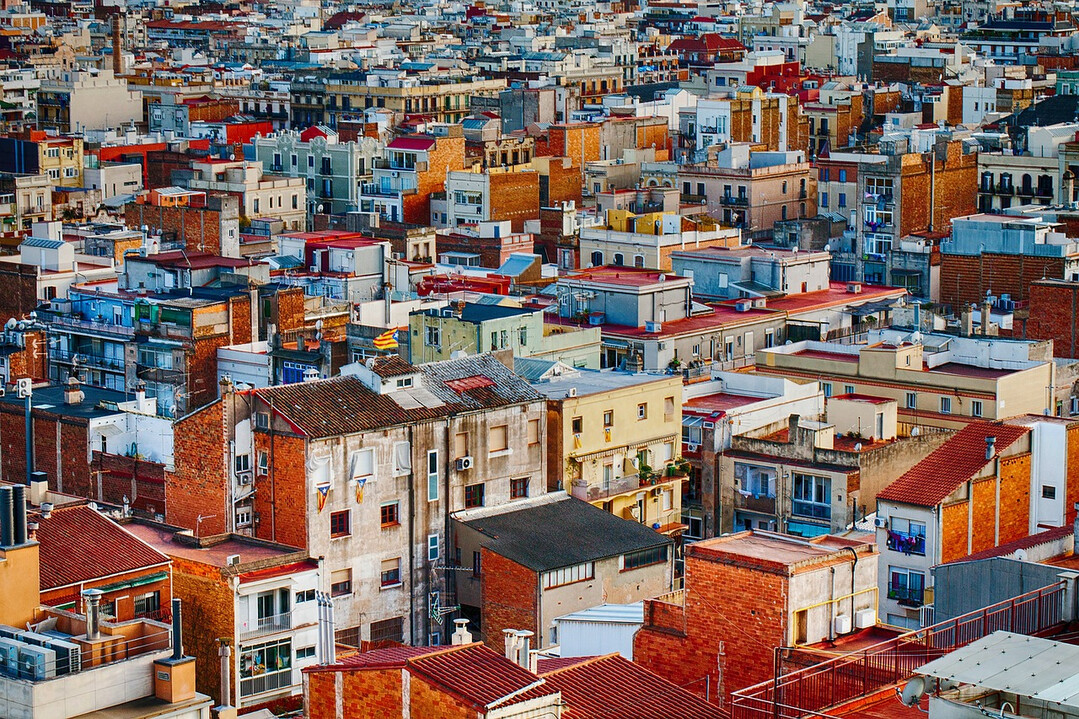
A severe shortage of residential properties, particularly in Seoul, is fueling a surge in conversion of urban housing into tourist accommodations, raising alarm bells over a potential "insane rent" crisis. Recent data indicates a sharp decline in jeonse (lump-sum deposit) apartment listings in Seoul, plummeting to around 25,000 units. This marks a 20% drop from the previous year and over 30% from two years ago, pointing to a deepening supply drought.
The scarcity is even more pronounced in the villa (multi-family housing) and officetel markets. The fallout from the pervasive jeonse fraud crisis has choked off gap investment (purchasing a home with borrowed funds using a jeonse deposit), significantly curtailing new non-apartment supply, a situation unlikely to ease soon.
The Lure of Tourist Dollars: Villas and Officetels Become Guesthouses
A notable trend is the rapid conversion of villas and officetels—especially those near airport railway stations or bus routes in popular tourist districts—into guesthouses and small hostels.
The economics are stark: converting a single villa room to hold four bunk beds for guesthouse use promises significantly higher returns than the standard residential lease of, for example, 1 million won (approximately $760) per month with a 10 million won deposit. A property can charge 300,000–500,000 won for weekend stays and 200,000 won on weekdays, transforming it into a high-yield investment vehicle.
This conversion trend accelerated after a ban on short-term rentals using platforms like Airbnb in small officetels (single-room offices) starting last October, pushing operators to formally register as tourist accommodation businesses (hostels).
The driving force is a critical lack of dedicated lodging. Skyrocketing construction costs and a frozen real estate finance market have made building new hotels difficult. With a surge in visa-exempt Chinese tourists and a rapidly growing number of travelers from Southeast Asia seeking budget-friendly stays, demand for affordable accommodation is overwhelming the existing supply.
The Disappearance of Working-Class Housing
The issue is not unique to Korea; similar phenomena are driving out locals in European cities like Spain and Portugal, where a booming tourism sector is pushing residents out to prioritize short-term rentals. This global problem of residential displacement and heightened housing insecurity is now hitting Seoul hard.
In a tangible example, a business operator in Seoul’s Yaksu-dong, whose short-term officetel rentals were halted by the Airbnb restrictions, is now fully renovating the building into a hostel and pursuing formal tourist accommodation registration.
It is predicted that many villas and small officetels in high-demand areas—such as those near Airport Railroad stations, Hongdae, Yeonnam-dong, Seongsu-dong, Gangnam Station, and Myeong-dong Station—will rapidly undergo similar conversions. Hostels, often utilizing the existing structures of commercial or small office buildings, can be quickly remodeled, accelerating the supply drain.
As a consequence, the available inventory of residential jeonse and wolse (monthly rent) properties in these foreigner-heavy areas is expected to shrink dramatically. The confluence of stagnating villa/officetel construction and the surge in conversions for lodging purposes is leading market analysts to issue severe warnings of a potential jeonse crisis or an uncontrollable spike in monthly rents. This year’s highest monthly rent on record, a staggering 40 million won (approximately $30,000) for an apartment in Seongsu-dong’s Galleria Foret (with a 100 million won deposit), illustrates the potential extremes of the market.
Crucially, there are few legal mechanisms to stop these conversions. As villas and officetels transform into guesthouses and hostels, housing spaces affordable to the working and middle classes are projected to vanish even more rapidly, setting the stage for a major residential affordability crisis in the capital.
[Copyright (c) Global Economic Times. All Rights Reserved.]