![[등록] 2026-09-01 15:48:31](/support/_updata/banner2/tl181982910_6749.png)


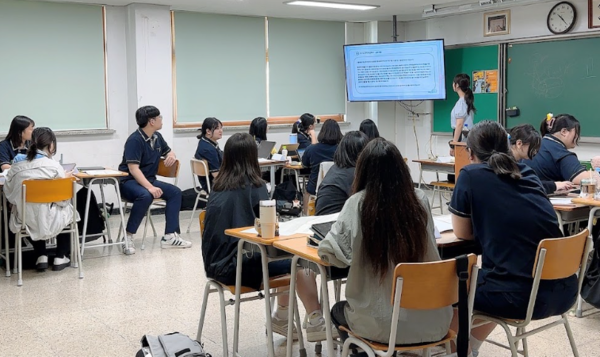
Seoul, South Korea – South Korea has fully implemented its high school credit system in 2023, marking a significant departure from its traditionally rigid educational structure. This new system empowers students to design their own learning paths by selecting courses that align with their interests and career goals.
Under the high school credit system, students accumulate credits by successfully completing various courses. This departure from the one-size-fits-all approach aims to foster a more student-centered education and prepare students for the demands of a rapidly changing world.
While the credit system offers numerous benefits, such as increased student engagement and personalized learning experiences, its implementation has also raised concerns among educators and parents. One of the primary challenges is ensuring that schools have the resources to offer a wide range of courses. Teacher shortages, limited classroom capacity, and concerns about the quality of education have been frequently cited.
To address these issues, the South Korean government has launched initiatives like "Hamkkehakkyo," a digital platform designed to support students in their course selection and provide guidance on their educational journeys. The platform offers personalized learning plans and connects students with mentors.
Historical Context and Global Comparisons
The high school credit system in South Korea is part of a broader educational reform aimed at moving away from the highly competitive and exam-oriented system that has characterized the country's education for decades. This shift is influenced by global trends toward more flexible and personalized learning, as well as the recognition that the traditional education system may not adequately prepare students for the skills required in the 21st century.
Compared to other countries that have implemented similar systems, South Korea's approach is notable for its emphasis on standardized testing. While the credit system allows for greater student choice, the national college entrance exam, known as the suneung, still plays a significant role in determining students' future opportunities. This tension between individualization and standardization is a complex issue that policymakers are grappling with.
Future Implications
The long-term implications of the high school credit system in South Korea are far-reaching. It is expected to have a profound impact on higher education institutions, as students may enter universities with more diverse academic backgrounds. Additionally, the system may lead to changes in the labor market, as employers seek candidates with a wider range of skills and experiences.
As South Korea continues to adapt to the changing global landscape, the success of its high school credit system will depend on several factors, including:
Adequate resources: Ensuring that schools have the funding and staffing necessary to implement the system effectively.
Teacher training: Providing teachers with the training and support they need to facilitate student-centered learning.
Curriculum development: Creating a flexible curriculum that can accommodate diverse student needs.
Assessment reform: Developing assessment methods that accurately measure student learning and progress.
The implementation of the high school credit system in South Korea is a bold experiment in educational reform. While challenges remain, it represents a significant step forward in creating a more student-centered and equitable education system.
[Copyright (c) Global Economic Times. All Rights Reserved.]