• 2026.04.14 (Tue)
  • All articles
  • LOGIN
  • JOIN
Global Economic Times
fashionrunwayshow2026
  • Synthesis
  • World
  • Business
  • Industry
  • ICT
  • Distribution Economy
  • Well+Being
  • Travel
  • Eco-News
  • Education
  • Korean Wave News
  • Opinion
  • Arts&Culture
  • Sports
  • People & Life
    • International Student Report
    • With Ambassador
  • Column
    • Cho Kijo Column
    • Cherry Garden Story
    • Ko Yong-chul Column
    • Kim Seul-Ong Column
    • Lee Yeon-sil Column
  • Photo News
  • New Book Guide
MENU
 
Home > Synthesis

AX Era Demands Immediate Shift to ‘Zero Trust’ Security Following Year of Unprecedented Breaches

Hwang Sujin Reporter / Updated : 2026-04-14 08:45:45
  • -
  • +
  • Print


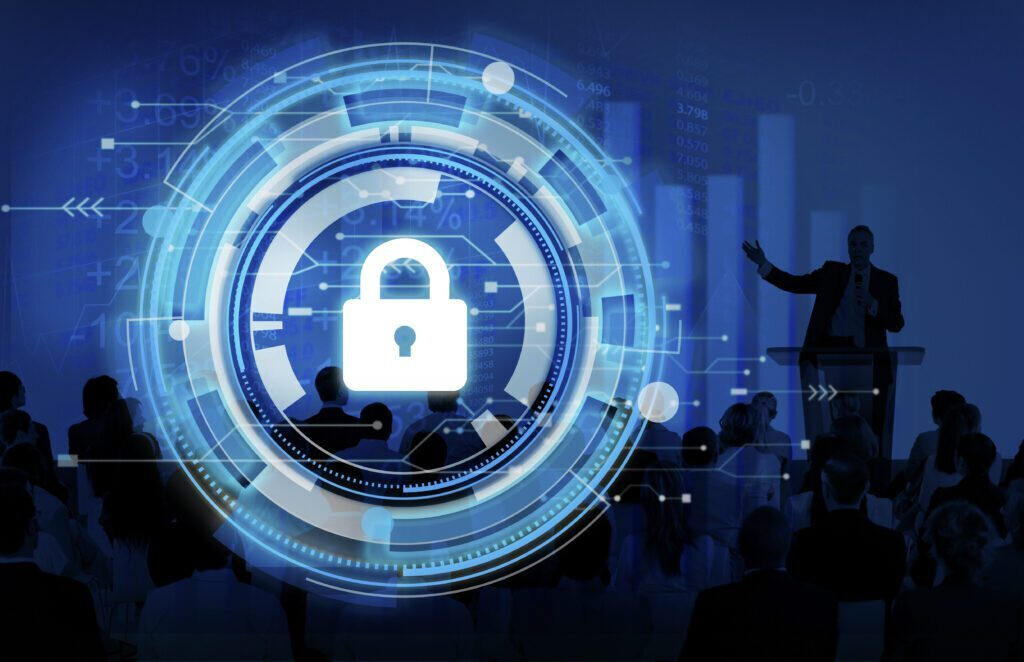
SEOUL – Exactly one year after the catastrophic hacking of SK Telecom’s USIM systems in April 2025, South Korea’s cybersecurity landscape is at a critical crossroads. With massive data leaks still fresh in the public's mind, calls are mounting for a fundamental transition to a "Zero Trust" security paradigm as the nation enters the age of AI Transformation (AX).

A Year of Vulnerability
The past 12 months have seen the nation’s digital infrastructure shaken to its core. Following the initial breach at SK Telecom, fellow carriers KT and LG Uplus, along with Lotte Card and e-commerce giant Coupang, fell victim to sophisticated attacks. The Coupang incident, involving the leak of 33.7 million accounts, remains the worst in Korean history.

In response, the top three telecommunications companies have announced a combined $2.4 trillion KRW investment in security, moving their security heads to report directly to CEOs.

The Zero Trust Mandate
Experts argue that structural changes alone are insufficient. As industries integrate AI into everything from base stations to data centers, security must be "baked in" from the start.

"Companies are pouring resources into AX to increase efficiency," said Lee Kyung-ho, a professor at Korea University’s Graduate School of Information Security. "Applying Zero Trust principles at the design stage will not only protect data but actually double a company's competitiveness in the AI era."

From Punishment to Incentives
There is also a growing consensus that government policy must evolve. Current regulations focus heavily on penalizing firms after an incident occurs.

Park Chul-jun, a professor at Kyung Hee University, suggested a more proactive approach. "We need a system that encourages companies to find and fix vulnerabilities before hackers do," Park noted. "Incentives should be provided to firms that actively operate 'bug bounty' programs and demonstrate excellent secondary response capabilities after a breach."

As the Ministry of Science and ICT prepares to finalize its "National Cybersecurity Strategy" by the end of the year, the focus remains clear: in an era where AI powers both the shield and the sword, trusting nothing is the only way to protect everything.

[Copyright (c) Global Economic Times. All Rights Reserved.]

  • #globaleconomictimes
  • #micorea
  • #mykorea
  • #nammidonganews
  • #singaporenewsk
  • #Samsung
  • #Daewoo
  • #Hyosung
  • #Apple
  • #korea
Hwang Sujin Reporter

Popular articles

  • S. Korea Issues First-Ever Disaster Alert for BTS Comeback Concert in Seoul

  • Coupang Tightens Rocket Delivery Rules: Free Shipping Now Based on 'Final Payment' for Non-Members

  • AI Medical Ecosystem in Focus: KIMES 2026 Opens in Seoul as Global Healthcare Hub

I like it
Share
  • Facebook
  • X
  • Kakaotalk
  • LINE
  • BAND
  • NAVER
  • https://globaleconomictimes.kr/article/1065570292547278 Copy URL copied.
Comments >

Comments 0

Weekly Hot Issue

  • Japanese Business Leaders Praise SK Chemicals’ "Ready-to-Use" Plastic Recycling Tech
  • South Korea Leads World in AI Patents per Capita, Narrowing Gap with U.S. and China 
  • Nasdaq Gains 1% as Semiconductor Surge Trumps Middle East Tensions
  • Trump Nominates Korean-American Michelle Park Steel as U.S. Ambassador to South Korea
  • K-Defense Takes on Latin American Market: Pan-Government Delegation Dispatched
  • Ruling Party and Government Push for Auto Insurance Premium Cuts Amid "5/2-Day Driving Ban"

Most Viewed

1
From the Alps to Seoul: Life in the Heart of Europe
2
Egypt: The Rebirth of Wine’s Origins in an Ancient Civilization
3
TikTok Bets $50M on South Korea: Creator Rewards to Increase Sixfold
4
Grandmaster Kangil Lee Restores Legal Status as Killeen Korean American Association President… A Signal for Innovation and Integrity in the Korean Community
5
Public Sector to Adopt ‘Odd-Even’ Vehicle Rotation Starting April 8; 5-Day Rotation Extended to Public Parking Lots
광고문의
임시1
임시3
임시2

Hot Issue

UN Chief Urges Freedom of Navigation Amid Rising Tensions in Strait of Hormuz

Vance Leaves Islamabad Talks, Citing Iranian Negotiators' Lack of Authority: "The Ball is in Their Court"

Meta Set to Dethrone Google as Digital Advertising King, Driven by AI-Powered Reels

National Assembly Passes 26.2 Trillion Won 'Energy Crisis' Extra Budget; Up to 600,000 Won in Cash Relief

Fashion Runway Show 2026

Global Economic Times
korocamia@naver.com
CEO : LEE YEON-SIL
Publisher : KO YONG-CHUL
Registration number : Seoul, A55681
Registration Date : 2024-10-24
Youth Protection Manager: KO YONG-CHUL
Singapore Headquarters
5A Woodlands Road #11-34 The Tennery. S'677728
Korean Branch
Phone : +82(0)10 4724 5264
#304, 6 Nonhyeon-ro 111-gil, Gangnam-gu, Seoul
Copyright © Global Economic Times All Rights Reserved
  • 에이펙2025
  • APEC2025가이드북TV
  • 독도는우리땅
Search
Category
  • All articles
  • Synthesis
  • World
  • Business
  • Industry
  • ICT
  • Distribution Economy
  • Well+Being
  • Travel
  • Eco-News
  • Education
  • Korean Wave News
  • Opinion
  • Arts&Culture
  • Sports
  • People & Life 
    • 전체
    • International Student Report
    • With Ambassador
  • Column 
    • 전체
    • Cho Kijo Column
    • Cherry Garden Story
    • Ko Yong-chul Column
    • Kim Seul-Ong Column
    • Lee Yeon-sil Column
  • Photo News
  • New Book Guide
  • Multicultural News
  • Jobs & Workers