![[등록] 2026-09-01 15:48:31](/support/_updata/banner2/tl181982910_6749.png)


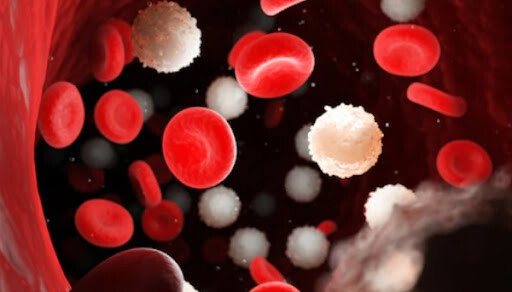
Lymphoma is the most common type of blood cancer, but multiple myeloma is rapidly increasing. Lymphoma is a tumor that develops in lymphocytes, a type of white blood cell, while multiple myeloma is a tumor that develops in the bone marrow. Unlike acute leukemia, lymphoma and multiple myeloma have stages. Myeloproliferative neoplasms can also develop into acute leukemia.
Lymphoma is the most common blood cancer
Lymphoma is divided into two main types: Hodgkin's lymphoma and non-Hodgkin's lymphoma. According to Professor Park Young-hoon of the Department of Hematology at Ewha Mokdong Hospital, Hodgkin's lymphoma is more common in people in their 20s, while non-Hodgkin's lymphoma is more common in people in their 50s. After the age of 60, Hodgkin's lymphoma increases again. Overall, non-Hodgkin's lymphoma accounts for about 95% of all cases, with the rest being Hodgkin's lymphoma.
Symptoms of lymphoma include swollen lymph nodes, especially in the jaw, clavicle, and groin. The swollen lymph nodes are usually painless and feel firm to the touch. Professor Park says that if you experience these symptoms along with weight loss and night sweats, you should suspect lymphoma.
Diagnosing lymphoma requires a comprehensive examination of the lymph node tissue. Therefore, it may be difficult to get an accurate diagnosis at a local clinic or small hospital. If you suspect lymphoma, it is best to get a thorough examination at a large hospital.
Treatment for lymphoma varies depending on the stage and type of lymphoma. In general, chemotherapy is used. However, if Hodgkin's lymphoma is confined to a very small area, radiation therapy may be used instead. When chemotherapy is used, high-dose chemotherapy drugs are used to kill even the smallest cancer cells. This can kill all the cells that make blood. For this reason, hematopoietic stem cells are extracted from the patient before chemotherapy and transplanted back after chemotherapy is completed.
Recently, CAR-T cell therapy, a so-called 4th generation treatment, is also being used in some cases. The complete remission rate for lymphoma is 70-80%. However, about 15% of patients experience a recurrence. The overall cure rate for lymphoma is 50-60%.
Multiple myeloma is increasing rapidly
Multiple myeloma is the fastest growing type of blood cancer in Korea. The cause is unknown, but it is thought to be related to genetic mutations and aging. Multiple myeloma develops over a long period of time. It can progress to multiple myeloma after an asymptomatic stage that shows no symptoms.
Multiple myeloma is a cancer that develops in plasma cells. Plasma cells are a type of white blood cell that is involved in the production of antibodies. When these plasma cells turn into cancer, abnormal antibodies are produced. These abnormal antibody덩어리 invade and melt the bones, causing fractures. They can also cause kidney failure and anemia.
Multiple myeloma is diagnosed through a bone marrow examination and other tests. Many patients are misdiagnosed with herniated discs or spinal stenosis and are later found to have multiple myeloma. Professor Park says that if an X-ray or MRI scan shows that the bones are melting, multiple myeloma may be suspected. The same is true if there is a compression fracture without severe osteoporosis. If you have anemia, proteinuria, poor kidney function, or back pain for no reason during a health checkup, you should be tested for multiple myeloma.
Treatment for multiple myeloma includes chemotherapy. In this case, as with lymphoma, autologous hematopoietic stem cell transplantation is often performed. However, if the patient's health is too poor or is over 70 years old, autologous hematopoietic stem cell transplantation is difficult, so only chemotherapy is performed.
Multiple myeloma is a difficult disease to cure. In the early 2000s, the survival rate was only 1-2%. Today, the survival rate is close to 50%. Professor Park says that relapses are frequent, so even if the patient is thought to be cured, they often have to be treated again. It is a disease that requires continuous monitoring.
Myeloproliferative neoplasms can be controlled with medication
Mutations in certain genes can cause hematopoietic stem cells to be produced abnormally. In this case, the number of red blood cells, white blood cells, and platelets increases, which is called myeloproliferative neoplasm. If abnormalities are found in a blood test, it is diagnosed through genetic mutation and bone marrow examination.
Myeloproliferative neoplasms are divided into four types: polycythemia vera, thrombocythemia, primary myelofibrosis, and chronic myelogenous leukemia. Symptoms and treatments vary depending on the type. Professor Lee Se-won of the Department of Hematology at Ewha Mokdong Hospital says that appropriate treatment can prevent the disease from worsening.
Symptoms of polycythemia vera include a red face. As the number of red blood cells increases, there is a risk of thrombosis and heart failure. To prevent this, low-dose aspirin is prescribed. Symptoms of thrombocythemia include frequent bruising. In this case, aspirin is prescribed to prevent thrombosis, or drugs are administered to control platelet levels.
In primary myelofibrosis, the bone marrow becomes fibrotic, and the function of making blood does not work properly. This causes anemia. The quality of life can be greatly reduced, as frequent blood transfusions are required. If the disease is left untreated, about 10% of patients develop acute myelogenous leukemia within 10 years. Professor Lee adds that with many good drugs available, primary myelofibrosis and chronic myelogenous leukemia can be prevented from developing into acute leukemia for life if properly managed. Currently, the survival rate for chronic myelogenous leukemia is over 90%.
[Copyright (c) Global Economic Times. All Rights Reserved.]