![[등록] 2026-09-01 15:48:31](/support/_updata/banner2/tl181982910_6749.png)


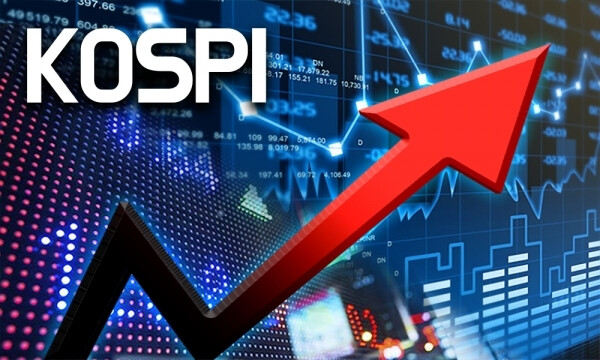
SEOUL – The South Korean stock market demonstrated remarkable resilience on Thursday, as the benchmark KOSPI index shrugged off escalating geopolitical tensions in the Middle East to close at a new record high. Driven by a surge in heavyweight Samsung Electronics and robust national economic growth data, the index briefly touched the psychological milestone of 6,500 during intraday trading.
Market Summary: A Record-Breaking Day
According to the Korea Exchange (KRX) on April 23, 2026, the KOSPI finished at 6,475.81, marking an increase of 57.88 points (0.90%) from the previous session. While the KOSPI enjoyed a bullish run, the tech-heavy KOSDAQ index faced a slight retreat, closing at 1,174.31, down 6.81 points (0.58%), pressured by a slump in secondary battery stocks and large-cap sell-offs.
The day’s trading was characterized by high volatility. The market opened strong following a rally in U.S. tech stocks and stellar earnings from SK Hynix. However, news of air defense systems being activated in Tehran caused a momentary panic, sending West Texas Intermediate (WTI) crude oil futures toward $97 per barrel. The KOSPI briefly dipped into negative territory before rebounding after reports confirmed the activity in Iran was a routine drill rather than a new military strike.
The "Samsung Effect" and Sector Performance
The primary engine behind the KOSPI’s record close was Samsung Electronics. The tech giant saw its share price jump nearly 3%, fueled by expectations of a "semiconductor super-cycle" and upward revisions of future earnings.
Interestingly, SK Hynix experienced a "sell-on-news" phenomenon. Despite reporting a staggering first-quarter operating profit of 37.6 trillion won—a 405.5% increase year-on-year—the stock closed 0.7% lower as investors moved to realize profits.
Beyond tech, the market saw strong support from:
Power Equipment and Nuclear Energy: Stocks in these sectors provided a solid floor for the index, benefiting from global energy infrastructure demands.
Retail Investors: Individual investors played a crucial role in defending the market, recording a net purchase of over 900 billion won in the KOSPI market, while foreign and institutional investors remained net sellers.
Robust Fundamentals: GDP Outperforms Expectations
The record-breaking performance was backed by solid macroeconomic data. The Bank of Korea reported that South Korea’s first-quarter GDP grew by 1.7% quarter-on-quarter and 3.6% year-on-year, significantly outperforming market forecasts.
"This growth is fundamentally rooted in the surge of exports, particularly in semiconductors and IT sectors," noted Lee Kyoung-min, an analyst at Daishin Securities. "While geopolitical noise from the Middle East may continue to cause short-term fluctuations, the underlying strength of the Korean economy remains firm."
Looking Ahead
Analysts suggest that as long as international oil prices remain below the $100 mark and the conflict between the U.S. and Iran remains contained, the impact on the domestic equity market will be limited. Investors are now shifting their focus toward the sustainability of the semiconductor rally and the upcoming earnings calls for other major industrial players.
As the KOSPI continues to navigate record territory, the "differentiation" of sectors—where high-performing tech and energy stocks lead while secondary batteries lag—is expected to become a defining theme for the second quarter of 2026.
[Copyright (c) Global Economic Times. All Rights Reserved.]