![[등록] 2026-09-01 15:48:31](/support/_updata/banner2/tl181982910_6749.png)


(C) The Conexion
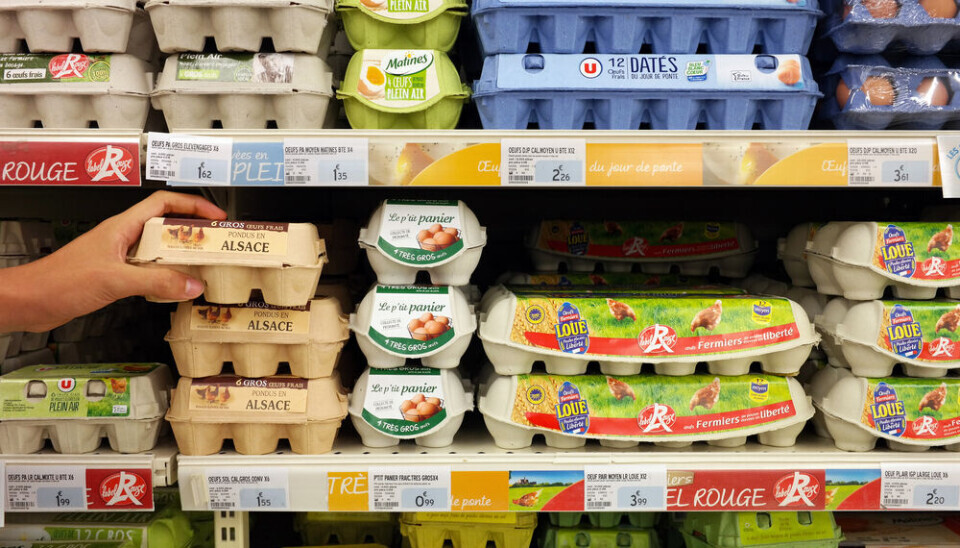
PARIS, France – French consumers are facing empty shelves in the egg aisles of major supermarkets as a chronic supply shortage enters its several months. The crisis, driven by a combination of surging demand and stringent new environmental and animal welfare regulations, has prompted government officials to call for a re-evaluation of current farming constraints.
The Imbalance: Rising Demand vs. Lagging Production
France is one of Europe’s largest egg consumers, with the average citizen consuming over 220 eggs per year. As an affordable, healthy, and versatile protein source, demand has grown steadily. However, domestic production has failed to keep pace.
To stabilize the market at current demand levels, France needs to add approximately 1 million laying hens annually to its existing flock of 47 million. While the government provides subsidies for new poultry farms, the biological and logistical lead time—from setting up a farm to consistent egg production—takes several months, leaving a significant gap in the market.
Regulatory Hurdles and Animal Welfare
A primary driver of the shortage is France’s ambitious "Animal Welfare Roadmap." By 2030, the government aims to transition 90% of all laying hens to cage-free or free-range environments. While traditional battery cages were banned in 2012 under EU law, France is pushing further to phase out all cage-based farming.
This transition forces existing farmers to overhaul their infrastructure, a process that temporarily halts production and reduces the total number of birds a single facility can house. According to data from NielsenIQ, the out-of-stock rate for eggs reached 13.3% last year—drastically higher than the 2% rate considered acceptable for a stable market.
"NIMBY" and Administrative Red Tape
On January 12, French Agriculture Minister Annie Genevard addressed the crisis during an interview with Radio RMC, criticizing the "excessively strict" regulations that treat poultry farms as if they were high-risk industrial sites.
"We cannot continue like this. These regulations are making life impossible for French farmers," Genevard stated. She also highlighted the "NIMBY" (Not In My Backyard) phenomenon, where local residents block the construction of new poultry facilities due to concerns over noise, odor, or perceived animal cruelty.
The Minister appealed to the public to accept the proximity of farming facilities to ensure a steady food supply, warning that the preference for animal welfare must be balanced with the practical need for affordable food production.
[Copyright (c) Global Economic Times. All Rights Reserved.]