![[등록] 2026-09-01 15:48:31](/support/_updata/banner2/tl181982910_6749.png)


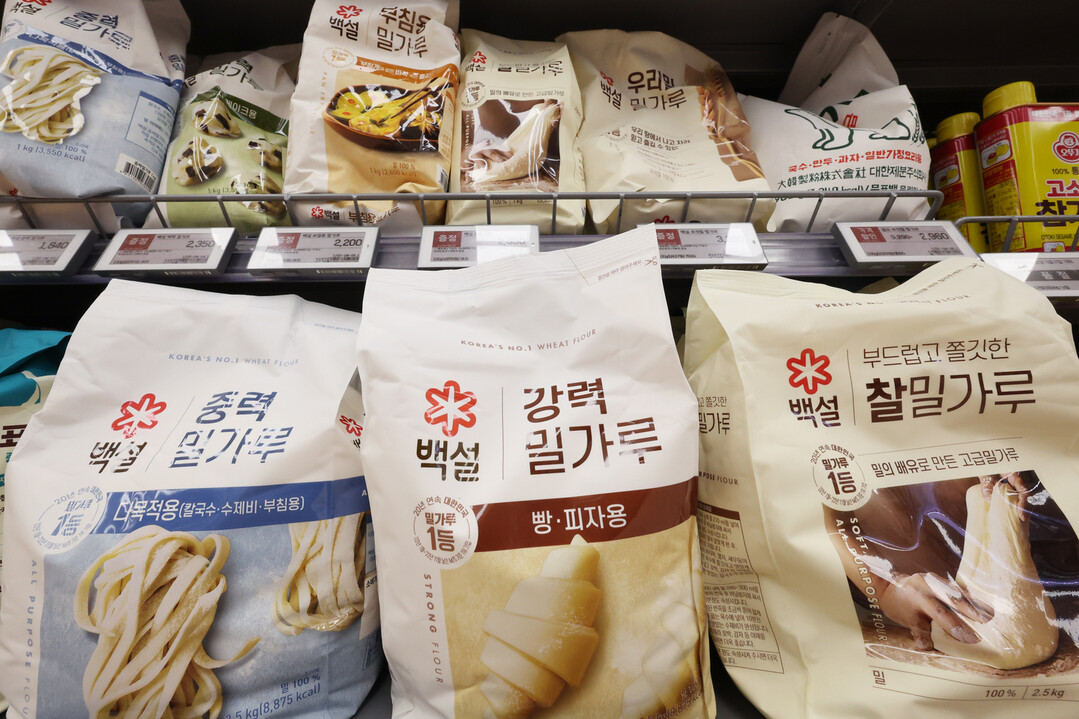
SEOUL – Ju Byung-ki, the Chairperson of the Korea Fair Trade Commission (FTC), issued a stern warning to the nation’s major milling companies on Monday, stating that the recent 5% reduction in flour prices is "insufficient" and should be doubled to at least 10% to reflect falling raw material costs and rectify market distortions caused by alleged collusion.
Speaking during a business report session at the National Assembly’s Political Affairs Committee, Ju addressed concerns raised by lawmakers regarding the slow pace of price adjustments in the food industry. "Considering the significant drop in international raw material prices, even a conservative estimate suggests that a price reduction of more than 10% would be appropriate," Ju said.
His remarks came in response to questioning by Representative Kim Hyun-jung of the Democratic Party of Korea. Rep. Kim criticized the 5% price cut recently implemented by several milling companies—currently under investigation for price-fixing—as a "token gesture" that fails to alleviate the financial burden on consumers.
Deepening Crackdown on the 'Flour Cartel'
The FTC’s pressure on the industry has intensified since February 19, when the antitrust regulator dispatched an examination report—equivalent to an indictment in a criminal trial—to seven major milling firms: Daesun Flour Mills, Daehan Flour Mills, Sajo Dong-aone, Samyang, Samhwa Flour Mills, CJ CheilJedang, and Hantop.
The report outlines the findings of an extensive investigation into alleged price-fixing activities among these industry giants. The FTC is now moving toward a full-scale deliberation process, where a final decision on sanctions and fines will be determined by the commission's plenary session.
Ju’s comments signal a firm stance against "greedflation," where companies keep prices high despite lower production costs. He emphasized that the impact should extend beyond flour itself. "We will continuously monitor the market to ensure prices keep declining," Ju noted. "As the costs of staples like sugar and flour drop, food processing companies—especially those producing bread and snacks—must also implement additional price cuts."
The Debate Over Exclusive Referral Power
Beyond the flour controversy, the session also touched upon a pivotal legal debate: the abolition of the FTC's "Exclusive Referral Power." Under current law, criminal prosecutions for antitrust violations can only proceed if the FTC first files a formal complaint with the prosecution.
When asked by Committee Chair Yoon Han-hong if he personally supports abolishing this power, Chairperson Ju affirmed his stance. "It is not just my personal conviction; it is the direction in which legal systems in most advanced nations have evolved," Ju stated.
While some business circles express concern that removing this barrier could lead to an influx of lawsuits and excessive corporate burden, Ju dismissed these fears. He argued that other developed economies have successfully managed this transition without stifling business activity.
"To prevent an undue burden on corporations, we must refine criminal clauses and establish procedural safeguards to ensure that the criminal justice system and administrative sanctions do not conflict," Ju explained.
Economic Implications
The FTC’s aggressive stance reflects the government’s broader strategy to curb inflation and protect consumer interests in a volatile global economy. As flour is a fundamental ingredient in the Korean diet, the outcome of this investigation is expected to set a precedent for how the regulator handles price-fixing in other essential commodity sectors.
For now, the eyes of both the public and the business community are on the upcoming plenary session of the FTC, which will decide the fate of the seven milling companies and potentially reshape the pricing landscape of Korea’s food industry.
[Copyright (c) Global Economic Times. All Rights Reserved.]