![[등록] 2026-09-01 15:48:31](/support/_updata/banner2/tl181982910_6749.png)


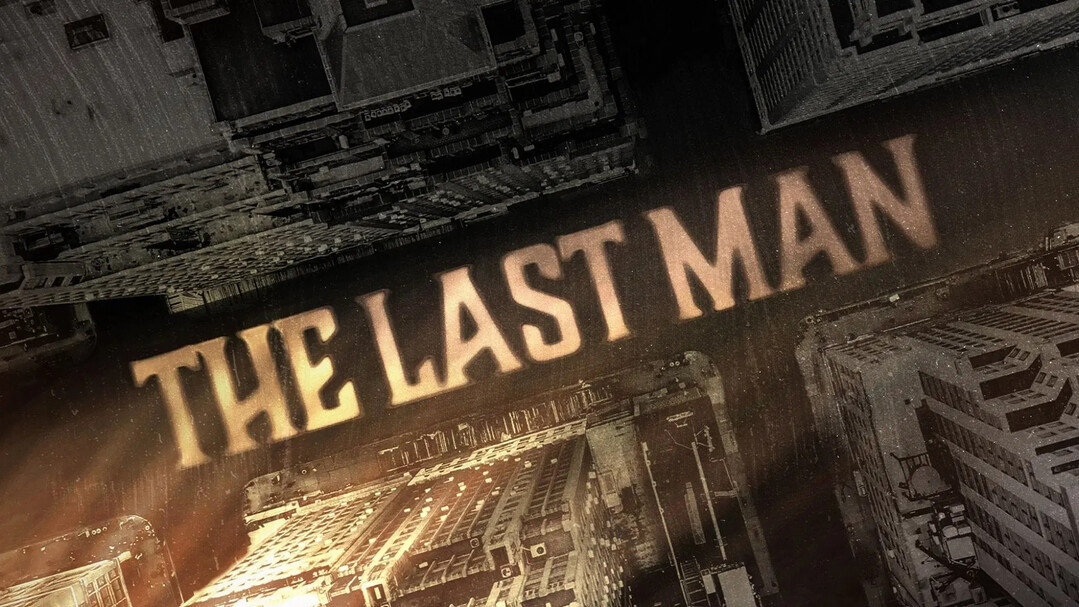
(C) Theatre Weekly
SEOUL – In an era where social isolation has become a silent global pandemic, a gritty, intimate Korean musical is preparing to cross oceans to resonate with audiences in the heart of London.
The Last Man, a critically acclaimed South Korean original musical, is set to make its British premiere at the Southwark Playhouse Elephant from May 8 to June 6. This marks a significant milestone for K-Musical’s expanding footprint, moving beyond Asia to engage with the sophisticated theater culture of the UK.
Adding heavyweight creative prestige to the production is Jethro Compton, the celebrated British writer and director who recently clinched the Best New Musical trophy at the Olivier Awards for The Curious Case of Benjamin Button. Compton has joined the project as a dramaturg, tasked with the delicate mission of translating the hyper-local nuances of Seoul into a language that speaks to the British soul.
A Bunker in Sillim-dong
At its core, The Last Man is a psychological thriller set against a post-apocalyptic backdrop. It follows a lone survivor hunkered down in a bunker in Sillim-dong—a neighborhood in Seoul synonymous with aspiring students and the crushing weight of societal expectations. As a zombie virus ravages the world outside, the protagonist fights a more internal battle against loneliness and deteriorating mental health.
Speaking at a press conference in Daehangno, Seoul, on February 23, Compton shared his vision for the adaptation. "My focus was on preserving the original vision and Korean sentiment while ensuring it meets the cultural expectations and sensibilities of British audiences," he said.
Compton took a deep dive into the specific atmosphere of Sillim-dong to understand the "myth of success" and the "social pressure" that the area represents. "The struggle of young people living in cities under the weight of family expectations and social pressure is a universal theme that resonates in London, Seoul, and New York alike," Compton explained.
The Paradox of Specificity
One might wonder if a story so rooted in a specific Seoul district might alienate foreign viewers. Compton argues the opposite. "The more specific and personal a story is, the more universally it reaches the audience," he emphasized.
He noted that the UK is currently grappling with its own crisis of "hikikomori-style" isolation among young men—a phenomenon where individuals retreat into online communities and gaming, severing ties with the physical world. By keeping the Korean details intact, Compton believes the production offers a "distinction" that sets it apart from standard West End fare, providing a fresh lens through which British viewers can examine their own societal issues.
Adapting for the British Stage
While the characters and plot remain faithful to the original, Compton is making subtle structural adjustments. Korean musicals are often known for their overt emotional expression and powerful, direct dialogue. Compton plans to pivot the British version toward a more "interpretive" style.
"I want to leave more room for the audience to interpret the emotions themselves," Compton said. "Depending on what the viewer sees and how they choose to decode it, the piece can take on entirely different meanings. Leaving that space for the audience is the greatest charm of this work."
A Dual Season
Before the London cast takes their first bows, The Last Man will return to its home turf for a third season in Seoul. The Korean production is scheduled to run at Link the Space (Hall 1) from March 24 to June 7, overlapping with the London run. This simultaneous staging highlights the growing synergy between the two theatrical hubs.
As K-pop and K-dramas have already conquered global charts, The Last Man stands as a testament to the rising power of K-Musicals. It suggests that the next great export from Korea isn't just high-octane spectacle, but a profound, somber reflection on what it means to be human in an increasingly disconnected world.
For Londoners, the arrival of The Last Man offers more than just a glimpse into Korean culture; it offers a mirror to their own struggles, proving that even in a zombie apocalypse, the most terrifying thing isn't what's outside the bunker—it's the silence within.
[Copyright (c) Global Economic Times. All Rights Reserved.]