![[등록] 2026-09-01 15:48:31](/support/_updata/banner2/tl181982910_6749.png)


(C) Miami Herald
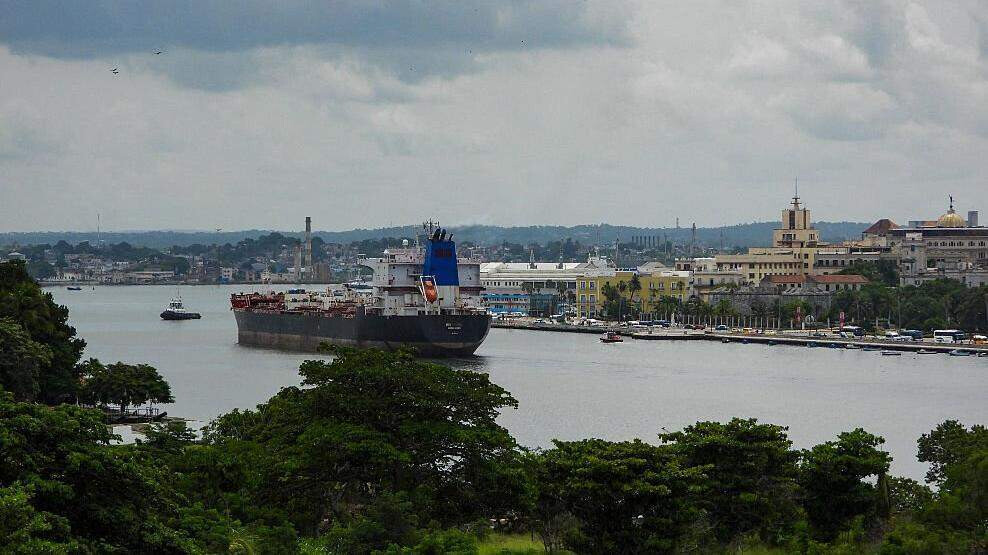
MEXICO CITY – The administration of Mexican President Claudia Sheinbaum is reportedly reconsidering its long-standing policy of providing crude oil to Cuba, as the threat of economic retaliation from a hardline U.S. administration looms over the bilateral relationship.
According to government sources and recent reports, Mexico City is currently debating three primary paths forward: a total cessation of oil shipments, a significant reduction in volume, or maintaining the status quo despite intensifying pressure from Washington.
The Last Lifeline Under Threat
The internal debate comes at a catastrophic moment for Havana. Following the December 2025 total blockade of Venezuelan oil tankers and the subsequent arrest of Venezuelan President Nicolás Maduro by U.S. forces, Cuba’s primary energy artery has been severed.
Mexico now stands as the island's sole remaining major supplier. Cuba, currently crippled by a nationwide energy crisis and recurring grid collapses, relies on Mexican crude to keep its basic infrastructure functioning. While President Sheinbaum has previously defended these shipments as "international aid based on long-term contracts," the political cost of this solidarity is rising.
Trump’s "Zero Tolerance" Policy
The shift in Mexico’s internal stance follows blunt warnings from U.S. President Donald Trump. Since the fall of the Maduro government, the White House has turned its full attention toward Havana, signaling a "maximum pressure" campaign designed to force a regime change.
On January 11, President Trump took to Truth Social to issue a definitive warning:
"No more oil or money will go to Cuba. The probability is ZERO."
A White House spokesperson echoed this sentiment, stating that Cuba is a "failed state" and suggesting that any nation facilitating the flow of resources to the island is acting against U.S. interests. "We strongly advise Cuba to come to the negotiating table before it is too late," the official added.
A Test of Mexican Sovereignty
For President Sheinbaum, the dilemma is both economic and ideological. Historically, Mexico has viewed its relationship with Cuba as a cornerstone of its "sovereign foreign policy" and a symbol of independence from U.S. dictates.
In a statement to Reuters, the Mexican President’s Office remained defiant, at least rhetorically:
"Mexico has always stood in solidarity with the Cuban people. The decision to supply oil, as well as our agreements regarding Cuban medical services, are sovereign decisions."
However, high-ranking officials within the Mexican government admit that the reality is more nuanced. With the United States being Mexico’s largest trading partner, the threat of tariffs or border disruptions weighs heavily on the Sheinbaum administration’s decision-making process. There is a growing fear that being labeled a "lifeline for Havana" could provoke a direct economic confrontation with Trump—a risk Mexico may not be able to afford.
Regional Implications
The outcome of these deliberations will likely determine the short-term survival of the Cuban government. Analysts suggest that if Mexico halts its supply, Cuba faces a total humanitarian collapse. Conversely, if Mexico continues the shipments, it could set the stage for a major diplomatic rift between the two largest economies in North America.
As of late January 2026, no final decision has been made, but the "sovereign decision" touted by Mexico City is increasingly being squeezed by the geopolitical realities of a "U.S.-First" regional policy.
[Copyright (c) Global Economic Times. All Rights Reserved.]