![[등록] 2026-09-01 15:48:31](/support/_updata/banner2/tl181982910_6749.png)


(C) SCMP
TOKYO – Japan has long been celebrated for its public order and "Omotenashi" (hospitality) culture. However, a darker social phenomenon is resurfacing on the crowded streets of Tokyo, sparking international concern and diplomatic warnings. The act of "Butsukari"—intentionally slamming into pedestrians—has evolved from a niche social complaint into a significant public safety issue.
The Shibuya Incident: A Catalyst for Outrage
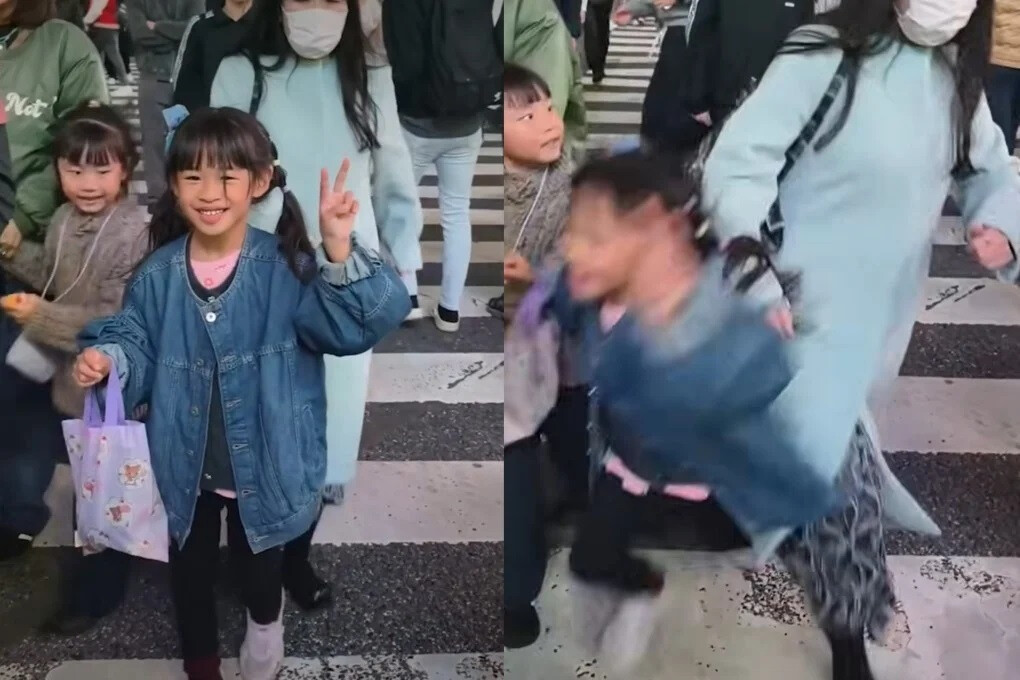
The latest firestorm erupted following an incident at the world-famous Shibuya Scramble Crossing. A viral video captured a masked woman deliberately and violently shoving a young child who was crossing the street with her mother. The victims, identified as Taiwanese tourists, were left in shock as the perpetrator blended back into the crowd without a word.
This incident is not an isolated case. On March 4, 2026, the Chinese Embassy in Japan took the unusual step of issuing an official safety advisory via WeChat. The embassy urged its citizens to "maintain a high state of vigilance" and "keep a safe distance from others in crowded areas," specifically highlighting the legal fact that under Japanese law, physical contact intended to harm can be prosecuted as assault even if no lasting injury occurs.
From 'Ojisan' to 'Obasan': Expanding Demographics of Aggression
For years, Japanese social media has used the term "Butsukari Ojisan" (Bumping Middle-aged Men) to describe men who target women or the elderly in train stations to "vent" their frustrations. However, the Shibuya case has introduced a newer, equally troubling term: "Butsukari Obasan."
Experts suggest that these acts are rarely accidental. They are often calculated strikes against those perceived as "weak" or "distracted"—such as people looking at phones, tourists taking photos, or parents with strollers.
"It is a form of displaced aggression," says a local sociopsychologist. "In a high-pressure society where open confrontation is discouraged, some individuals choose cowardly, anonymous ways to exert power over those they deem lower in the social hierarchy."
The Tourist Trap: A Blow to Japan’s Image
As Japan continues to see record-breaking numbers of international tourists, the "Butsukari" phenomenon poses a threat to its reputation as a safe destination. Online forums are currently flooded with accounts from travelers who experienced similar "shoulder-checking" in Shinjuku, Osaka, and Kyoto.
The Japanese police have increased patrols in major hubs, but the nature of the crime—occurring in seconds amidst thousands of people—makes it difficult to prosecute unless clear video evidence is provided.
How to Stay Safe
For those traveling to Japan, authorities and safety experts recommend the following:
Avoid "Smartphone Walking": Being distracted makes you a primary target for "Butsukari" perpetrators.
Maintain Spatial Awareness: In tight corridors or crossings, keep your arms slightly tucked but stay aware of people approaching aggressively.
Report Immediately: If struck, do not simply walk away. Seek out a "Koban" (Police Box) and provide any available footage or descriptions.
[Copyright (c) Global Economic Times. All Rights Reserved.]