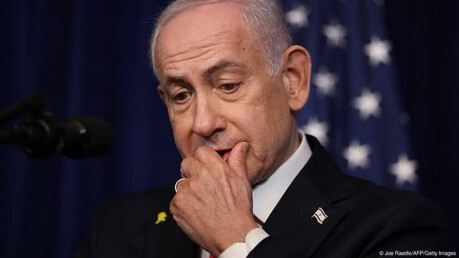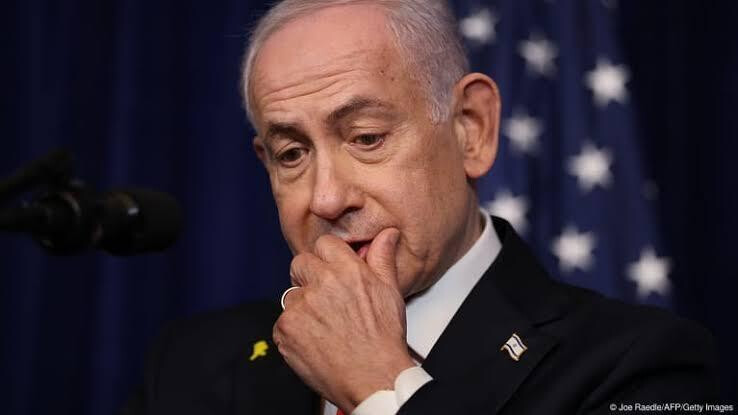
Israeli Prime Minister Benjamin Netanyahu is intensifying pressure on U.S. President Donald Trump to resume military strikes against Iran before the new year, citing nuclear threats, while Trump has signaled that he is in no rush to make a decision.
According to a November 20 report by the Financial Times (FT), U.S. Central Command (CENTCOM), which oversees military operations in the Middle East, warned the White House that extending the standoff with Iran into the new year could degrade U.S. military readiness due to ongoing troop deployments. Military officials noted that maintaining elevated force levels past late December risks straining the Pentagon's capacity to respond to global threats elsewhere.
U.S. military strategists are also factoring in the incoming Democratic-led Congress, which could move to cut defense spending and tighten oversight of overseas military operations. With public support for the conflict with Iran remaining low, planners anticipate that the campaign will become a primary target of congressional scrutiny.
"CENTCOM is telling the administration that time is running out, money is being wasted, and readiness to respond to other global threats is lacking as massive troop deployments targeting Iran approach the one-year mark," one U.S. official said. However, another U.S. military official pushed back against the report, denying that CENTCOM had warned of overextension to advocate for resuming airstrikes before the end of the year.
Israeli officials have repeatedly urged Trump to restart strikes before January, arguing that the window for decisive military action is closing. Some U.S. officials have similarly pressed the president to bring the Iran issue to a final conclusion.
Despite the pressure, Trump appears undecided. In a November 19 interview with Axios, he stated that he would "not rush any decision" and plans to "wait and see how things unfold after the new year begins."
A U.S. administration official noted that severe economic pressure is already taking a heavy toll on Iran, reducing the need for a large-scale military campaign. Still, Trump added that all options remain on the table to prevent Tehran from acquiring nuclear weapons.
Trump's stance has fluctuated between issuing military warnings and calling for a diplomatic resolution. Recently, even as prospects for a negotiated deal have dimmed, he has expressed satisfaction with maintaining a costly U.S. naval blockade. Last month, Trump halted a major offensive pushed by Netanyahu that reportedly included plans to target Iranian energy and civilian infrastructure. Following Republican setbacks in the midterm elections—driven in part by voter fatigue over foreign wars—Trump has adopted a more cautious posture toward military escalation.
Conversely, Netanyahu has spent recent weeks warning that Iran remains a grave threat. Now serving as caretaker prime minister after failing to secure a parliamentary majority in last month's general election, Netanyahu claimed—without presenting evidence—that Iran is moving to restart its nuclear program and that "Israel's fate is at stake."
Last week, Mossad Director Roman Gofman visited Washington to meet with CIA Director John Ratcliffe and other senior U.S. officials. Sources said the visit was aimed at sharing intelligence and persuading the U.S. to join renewed strikes against Iran. Within Israel's security establishment, officials are also weighing smaller, targeted covert operations rather than a massive bombing campaign like the joint U.S.-Israeli offensive launched when the war broke out in February. Meanwhile, CENTCOM Commander Gen. Brad Cooper traveled to Israel this week for talks with Gofman and top Israeli military leaders.
Inside Israel, anxiety over a renewed war is growing alongside political gridlock. While Netanyahu's right-wing coalition lost its majority last month, the opposition—led by former Israel Defense Forces Chief of Staff Gadi Eisenkot—has yet to form a new government.
Eisenkot and other opposition leaders have warned since election day that Netanyahu might escalate military tensions to cling to power, pledging their support to security officials who resist political pressure. Following a security briefing with Netanyahu last week, Eisenkot said the meeting was intended to prepare for "particular sensitivities over the coming days."
Although a tentative ceasefire in April halted full-scale fighting between the U.S. and Iran, sporadic clashes have continued, and both sides remain locked in a tense standoff around the Strait of Hormuz.
[Copyright (c) Global Economic Times. All Rights Reserved.]