

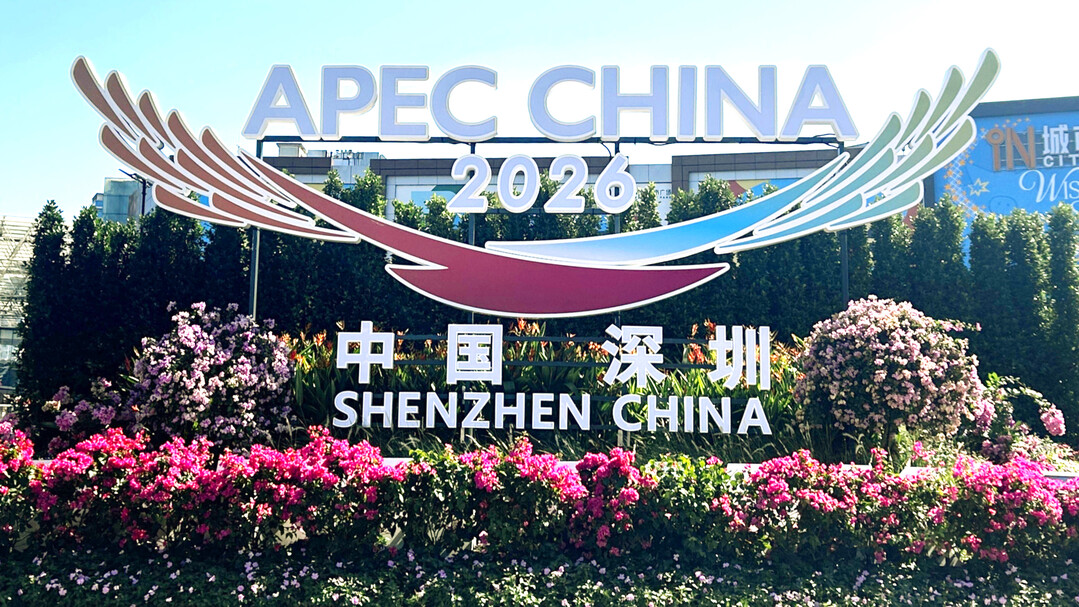
SHENZHEN — As the city prepares to host the upcoming APEC summit, local authorities in Shenzhen have implemented extraordinary security measures, ranging from temporary residential evacuations to massive vehicle restrictions.
According to the South China Morning Post (SCMP) on November 15, Shenzhen authorities have deployed surveillance cameras at major intersections and requested temporary evacuations from select residents living near the event venue. One resident living directly adjacent to the venue told SCMP that they were instructed to block and cover all windows facing the venue. The resident stated they were offered hotel accommodation expenses on the condition of vacating their home from November 16 to 19, with the alternative that police officers or security personnel would be stationed inside their home if they chose to stay.
The Guangdong Provincial Public Security Department held a security strategy meeting on November 1st, elevating its security posture to the highest level. Authorities have reinforced patrols at key facilities and dispatched police forces from across the province to Shenzhen. Furthermore, Shenzhen has banned the flight of all aerial objects—including drones, helicopters, kites, and sky lanterns—citywide through November 21st. From November 17 to 20, passenger cars bearing out-of-town license plates will be restricted from entering six major districts, including Futian, Luohu, and Nanshan, between 6:00 AM and 10:00 PM. The entry of hazardous material transport vehicles is also prohibited from November 16 to 20, and security inspections on mail and packages arriving in Shenzhen have been tightened.
Authorities are also actively reducing traffic congestion on the roads. In a press conference, Shenzhen Mayor Li Yun announced that over 1.5 million car owners have applied to suspend private vehicle usage. Additionally, 90% of official vehicles belonging to party and government institutions as well as state-owned enterprises have been ordered off the road, excluding essential transport. Local corporations—including Tencent, Lenovo, and camera manufacturer Insta360—have complied with official requests by granting employees paid leave or permitting remote work.
To alleviate public inconvenience, subway and bus fares will be halved from November 16 to 20, and subway operating hours will be extended by one hour from November 16 to 19. Meituan, China's largest delivery platform, announced that delivery drivers will not be held accountable for delayed deliveries caused by traffic controls between November 16 and 20.
Despite these mitigating measures, public complaints persist. The U.S.-based China-focused media outlet China Scope reported that citizens enduring over 10-minute queues due to subway baggage checks expressed frustration, questioning what practical benefit these disruptions bring to ordinary residents.
SCMP noted that Shenzhen is also utilizing this event as an opportunity to tackle longstanding urban issues, such as electric bicycle congestion and street smoking. Starting November 1st, city authorities extended an existing ban on indiscriminate car horn usage for another five years. First-time offenders face a fine of 300 yuan (approx. $42), while a third violation within a year incurs a 500 yuan ($70) fine. Online reactions have sparked humorous workarounds, with netizens joking, "Should we use rubber chicken toys that make sound when squeezed?" or "Let's blow trumpets and imitate animal noises instead."
Precedent from 2014 and the Upcoming U.S.-China-Russia Summit
This is not the first time China has enforced sweeping citywide controls for an APEC event. When Beijing hosted the APEC summit in 2014, China similarly restricted vehicle traffic and halted factory operations in surrounding areas like Tianjin and Hebei. While the crystal-clear skies during the meeting were dubbed "APEC Blue," severe smog quickly blanketed Beijing once the summit concluded.
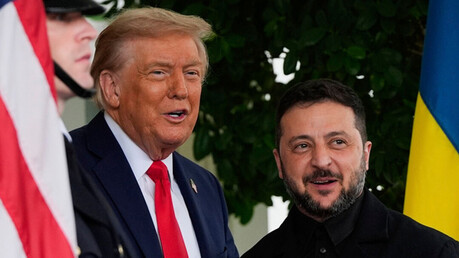
To accommodate foreign guests, Shenzhen authorities have installed over 7,000 artificial intelligence (AI) translation devices at airports, ports, and train stations, confirming that preparations for the summit venues are complete. The summit will feature leaders from major nations, including Chinese President Xi Jinping. A CEO Summit side event will take place on November 17–18, followed by a landmark trilateral summit on November 19 in Shenzhen, bringing together U.S. President Donald Trump, President Xi Jinping, and Russian President Vladimir Putin. The White House has confirmed that nuclear arms reduction will be a core agenda item.
[Copyright (c) Global Economic Times. All Rights Reserved.]