![[등록] 2026-09-01 15:48:31](/support/_updata/banner2/tl181982910_6749.png)


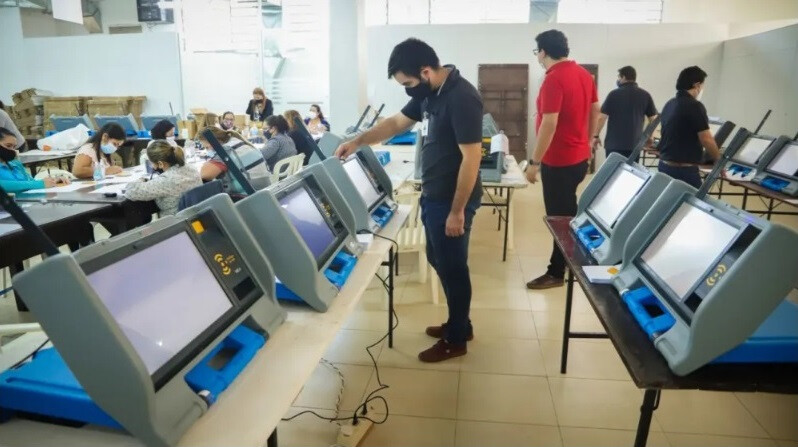
The Paraguayan Superior Tribunal of Electoral Justice (TSJE) has ignited controversy by announcing its decision to proceed with the electronic voting machine purchase tender despite demands from some senators to suspend the international bidding process. Senators have raised questions about the transparency and efficiency of the bidding process, urging its suspension.
In a statement, the TSJE emphasized that the international public tender process for the purchase of electronic voting machines is being conducted with absolute transparency, adhering to the Paraguayan Constitution, relevant laws, and the highest technical and administrative standards for public procurement. They asserted that the bidding process has undergone all control and supervision stages stipulated by law, and that public access to bidding conditions and procedures has been ensured to promote equality, fair competition, and the protection of public interest.
The TSJE strongly denied allegations regarding the safety of the bidding process, stating that the bidding conditions include technical requirements that guarantee the acquisition of verifiable, auditable, and functional technical solutions in accordance with domestic regulations and international best practices.
Furthermore, the TSJE reaffirmed that the organization and execution of electoral procedures through electronic voting and an open proportional representation list system are legal obligations. They stressed that they will continue the ongoing bidding process in accordance with the law, always ensuring respect for public sovereignty and transparency.
Meanwhile, the Paraguayan National Directorate of Public Procurement (DNCP) had initially suspended the electronic voting machine purchase tender, valued at $92.82334 million. However, they later reversed the suspension and are proceeding with plans to purchase approximately 28,000 electronic voting machines for the party primaries and local elections scheduled for 2026. The TSJE aims to own the voting machines outright, moving away from past rental practices, and will implement measures to prevent recurrences of incidents like the 2022 fire that resulted in employee deaths and damage to approximately 8,500 voting machines.
For the 2022 party primaries and the 2023 general elections, the TSJE contracted with the Comitia MSA-Excelsis consortium for 257.435 billion guaraníes (approximately $32 million at the current exchange rate), as disclosed on the DNCP website.
This attempt to suspend the tender is not the first, with previous instances of suspensions due to protests from bidding companies. Opposition parties and dissenters within the ruling party have raised concerns that the current tender could be manipulated to favor companies affiliated with President Santiago Peña.
Amid this controversy, the Paraguayan Senate has resolved to establish a special committee to investigate the electronic voting machine purchase tender. The committee is expected to focus on the transparency of the bidding process, the appropriateness of contract conditions, and allegations of preferential treatment for specific companies.
Discussions on introducing an electronic voting system in Paraguay have occurred multiple times in the past but have been repeatedly thwarted due to technical issues, security concerns, and high costs. The 2022 fire highlighted the importance of the safety and management of electronic voting systems. The fire not only caused significant losses but also amplified public concerns about the reliability of the electoral system.
The current push to purchase electronic voting machines can be seen as the TSJE's effort to modernize and improve the efficiency of the electoral system ahead of the 2026 elections. The TSJE anticipates that the introduction of electronic voting will speed up the voting process, reduce tabulation errors, and enhance voter convenience. They also project long-term savings in voting machine rental costs and more efficient management of election-related budgets.
However, senators, opposition parties, and civil society organizations continue to raise concerns about the security vulnerabilities and lack of transparency in the electronic voting system. Allegations of preferential treatment for specific companies during the bidding process are particularly fueling public distrust. They insist that the safety and reliability of the electronic voting system must be thoroughly verified, and a transparent discussion process involving all stakeholders must be conducted before its implementation.
The Senate special committee's investigation is expected to be a crucial step in addressing these concerns and ensuring the transparency of the bidding process. The committee will conduct a thorough investigation of the entire bidding process to determine whether any illegal activities or inappropriate interventions have occurred and, if necessary, hold those responsible accountable. The committee may also make policy recommendations for improving the electoral system based on its findings.
The controversy surrounding Paraguay's electronic voting machine purchase extends beyond mere technical issues, directly affecting public trust in the fairness and transparency of the electoral process, which is the foundation of democracy. The TSJE’s ability to address the concerns of the Senate and civil society and establish a reliable electronic voting system through a transparent and fair bidding process will be closely watched. The outcome of the special committee's investigation and the government's response are expected to significantly impact the future of Paraguayan democracy.
[Copyright (c) Global Economic Times. All Rights Reserved.]