![[등록] 2026-09-01 15:48:31](/support/_updata/banner2/tl181982910_6749.png)


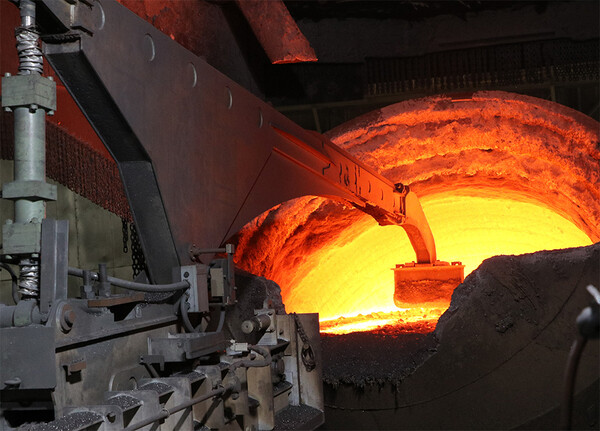
The South Korean steel industry is facing a perfect storm. Already struggling with a flood of low-priced Chinese steel and high-tariff barriers in the U.S., the sector is now bracing for a significant blow: a proposed overhaul of the government’s electricity pricing structure that threatens to eliminate the cost advantage of nighttime operations.
Controversy Over Time-of-Use (TOU) Tariff Reforms
The South Korean government is pushing to reform the "Time-of-Use (TOU) tariff" system to address the surplus of solar power during daylight hours. The plan involves lowering daytime rates while increasing the currently discounted nighttime rates.
Steelmakers, however, argue that this policy ignores the unique operational nature of the industry. To manage high energy costs, steel plants—especially those using electric arc furnaces (EAF)—typically perform maintenance during the day and concentrate production at night.
"Increasing nighttime rates is a direct hit to our cost competitiveness," an industry insider noted. "It is paradoxical that the government is encouraging a transition to EAFs for carbon neutrality while simultaneously making the power required to run them unaffordable."
Taking Matters into Their Own Hands: LNG and Efficiency
In response, major players are shifting toward self-generation and technological optimization to mitigate risks.
Hyundai Steel: The company is pushing for the construction of an LNG power plant at its Dangjin works. To ensure a stable and cost-effective fuel supply, it plans to add "natural gas import and export" to its business portfolio during the upcoming shareholders' meeting.
POSCO: POSCO is moving forward with a 600㎿ LNG power plant at its Pohang site. This move is designed to secure the massive amounts of electricity required for its future hydrogen-reduction steelmaking processes.
Dongkuk Steel: Focusing on "Hyper-EAF" technology, Dongkuk is working to maximize energy efficiency by utilizing waste heat and optimizing raw material input methods, aiming to lower overall power consumption.
Conclusion
As the "green competitiveness" of steel becomes a global standard, the demand for electricity will only grow. Without a more nuanced energy policy that considers industrial realities, South Korean steelmakers warn that their global standing could be permanently eroded. For now, the industry’s survival depends on how quickly it can decouple itself from the volatile national power grid.
[Copyright (c) Global Economic Times. All Rights Reserved.]