![[등록] 2026-09-01 15:48:31](/support/_updata/banner2/tl181982910_6749.png)


(C) Worker in Space
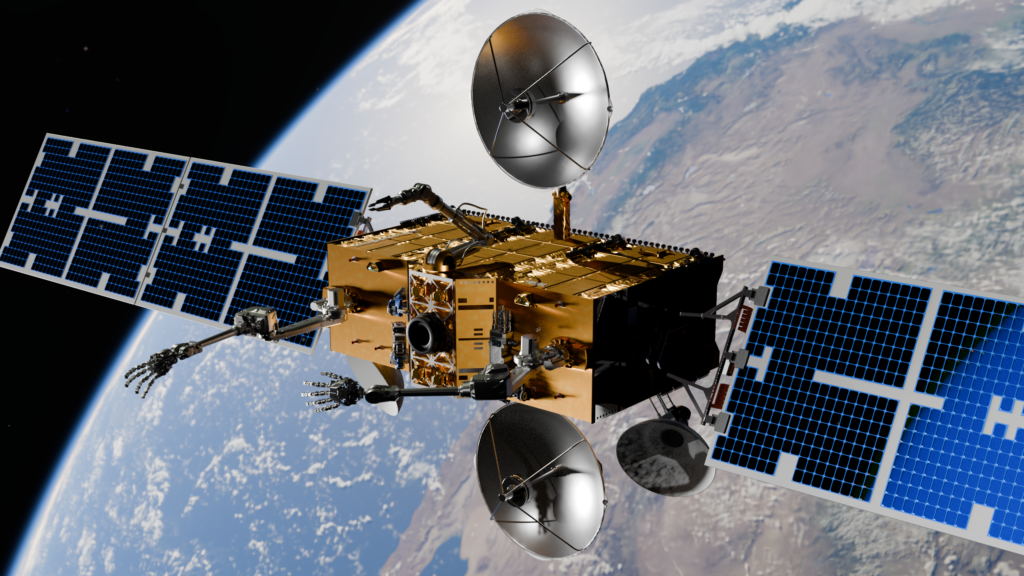
SEOUL – The Korea AeroSpace Administration (KASA) announced on March 9, 2026, that it has finalized the selection of nine institutions and 15 types of domestically developed components to be tested aboard the "Space Verification Satellite No. 3." These components are scheduled to hitch a ride on the sixth launch of the Nuri rocket (KSLV-II) next year.
This initiative, managed through the Korea Aerospace Research Institute (KARI), aims to provide South Korean companies and research institutes with a critical "Space Heritage"—a proven track record of performance in the harsh environment of outer space.
A Competitive Leap for Domestic Tech Out of 24 applicants, nine organizations were selected after a rigorous evaluation. The mission features high-profile tech giants and research bodies:
LG Electronics: Materials and components optimized for Low Earth Orbit (LEO) satellites.
SK Hynix: Next-generation storage devices with high radiation resistance.
ETRI: Seven types of specialized aerospace semiconductors.
Korea University: A high-resolution 9M-class (3000x3000px) CMOS image sensor for satellite imaging.
These components will be integrated into a 12U CubeSat platform. Once the Nuri rocket reaches orbit, the satellite will monitor whether these parts can withstand extreme temperatures and cosmic radiation while functioning as intended.
The Power of 'Space Heritage' In the space industry, reliability is everything. Since repairing hardware in orbit is nearly impossible, satellite manufacturers exclusively source components that have already survived space missions. "Securing space heritage for domestic components is the cornerstone for entering the global market," said Noh Kyung-won, Deputy Administrator of KASA.
This mission follows a successful streak of domestic validation. Currently, Space Verification Satellite No. 1, launched during Nuri's 4th flight, is orbiting at 600km, testing Samsung Electronics’ DRAM and NAND flash memory. Space Verification Satellite No. 2 is slated for launch in the third quarter of this year.
By fostering this continuous cycle of testing, South Korea aims to transform from a satellite operator into a major supplier in the global aerospace supply chain.
[Copyright (c) Global Economic Times. All Rights Reserved.]