![[등록] 2026-09-01 15:48:31](/support/_updata/banner2/tl181982910_6749.png)


(C) Bambu UP
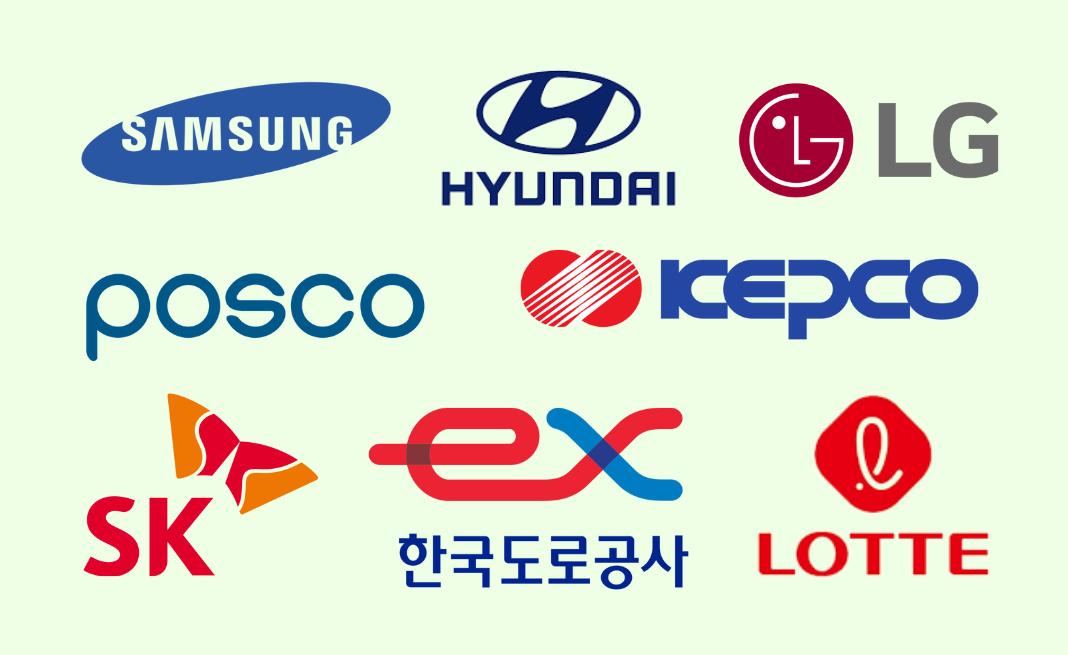
SEOUL - South Korea's major corporate groups have largely concluded their annual executive appointments, which began last October, marking an unprecedented and sweeping generational change across the business community. The most significant feature of this year's reshuffle is the mass retirement of executives born in the 1960s from key positions, leading to the rapid deployment of leaders born in the 1970s and 1980s. This shift is more than just a generational transition; it represents a structural transformation designed to navigate the paradigm shift in global industry.
This generational change is particularly noteworthy because it coincides with a critical "transition period" where Artificial Intelligence (AI) is fundamentally restructuring value chains across all sectors. As global manufacturing competition moves from being centered on cost and scale to being driven by technology and speed, domestic corporations have found the re-establishment of their leadership to be unavoidable. Previously, a CEO's profile emphasized manufacturing field experience and long-term business operation capability. Today, data utilization skills, technological acumen, and global collaboration capabilities have become core criteria for management judgment. Given the accelerating pace of transition into new growth industries such as AI, semiconductors, electric vehicles, aerospace, bio, and energy transition, the prominent emergence of leaders born in the 70s and 80s is a natural progression.
Significantly, a substantial number of the younger executives appointed this year have grown up gaining practical experience in areas like digital transformation, strategic planning, overseas operations, and innovation organizations. As talent seasoned in global platform partnerships, new technology commercialization, and investment decision-making moves into the core decision-making structure, the very nature and speed of the corporate organization are beginning to change. This is not merely a change in personnel; it can be interpreted as a clear signal that Korean enterprises are moving toward a "tech-driven" management system.
However, the excitement surrounding this change is tempered by notable concerns. Firstly, the rapid pace of the generational shift could lead to a significant experience gap. Traditional industries such as manufacturing, infrastructure, and heavy industry rely heavily on accumulated experience in supply chain management, long-term client relationships, and on-site risk response. It is difficult to secure expertise in these areas in a short period. Secondly, an over-emphasis on new growth businesses might weaken the foundation of existing operations. Since the manufacturing sector still anchors the majority of employment and exports in the Korean economy, an unbalanced portfolio shift could shock both individual companies and the economy as a whole.
Therefore, the success of this generational shift hinges on how well the balance between "technology-driven growth" and "existing business stability" is engineered. While the agility and challenging spirit of young executives are the driving forces for corporate innovation, a robust system must be put in place to complement the deep experience and operational capabilities built up in traditional businesses. The generational shift can be a launchpad for great progress, but simultaneously, it harbors the potential for decline.
Moving forward, the business community will face new inflection points following this leadership change. The full-scale introduction of AI-based management systems will make "AI utilization capabilities"—covering areas like automated decision-making, productivity innovation, and data-based risk management—the core metric for evaluating executive competence. Furthermore, the trend of recruiting external professional managers for new ventures is likely to expand, driven by the absolute need for global-standard technological leadership in fields such as semiconductors, batteries, mobility, energy, and bio, where tech-driven management is paramount.
Finally, organizational culture transformation presents the greatest challenge. The speed and autonomy desired by younger leaders will likely clash with the organizational structures and operational modes that companies have maintained to date. Leadership that can effectively mediate these conflicts will be crucial.
In conclusion, the decisive generational shift seen in the recent year-end appointments represents "Phase 1 of a leadership transition" as South Korean industry moves toward a technology-centric structure. Its significance is substantial, signaling the ascent of a leadership cadre suitable for the massive transition to an AI and digital economy. The remaining task is to ensure this change translates into sustained corporate restructuring and enhanced industrial competitiveness, rather than remaining a temporary shift in atmosphere. The hope is that this generational change will serve as an opportunity for the business sector to accelerate onto a new growth trajectory.
[Copyright (c) Global Economic Times. All Rights Reserved.]