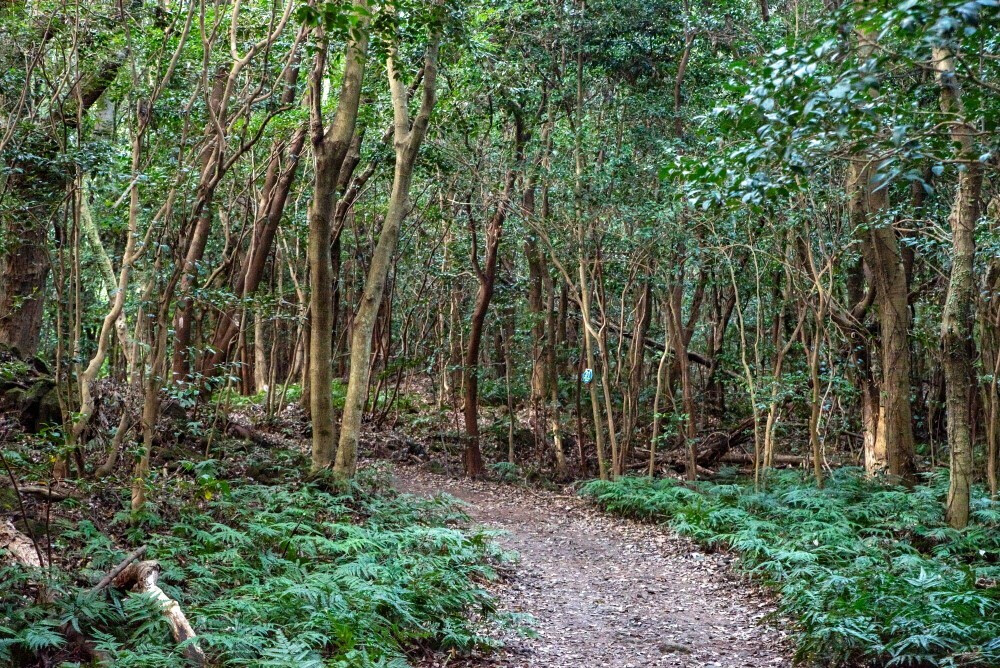
JEJU, South Korea — A landmark ecological research facility designed to track the long-term impacts of climate change has officially opened in Jeju’s unique Gotjawal forest, backed by a rare three-way alliance between government scientists, a conservation trust, and local villagers.
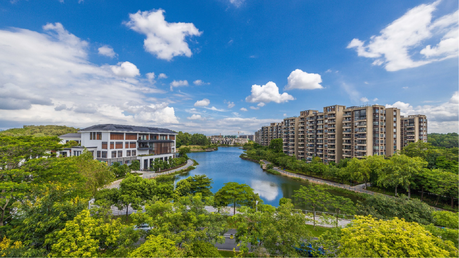
On November 19, the National Institute of Ecology (NIE)—operating under the Ministry of Climate, Energy and Environment—inaugurated the "Jeju Gotjawal Standard Ecosystem Climate-Response Observation Network" in Susan 2-ri, Seongsan-eup, according to an announcement by the Jeju Gotjawal Trust Foundation on Tuesday.
The project, which broke ground in 2023, represents a four-year collaborative effort. To make the site possible, the Jeju Gotjawal Trust Foundation granted a 30-year rent-free lease on its preserved land, while residents of Susan 2-ri stepped up to assist with local conservation efforts as ecological guardians.
Tailored specifically to the volcanic forest's distinct environment, the new monitoring station will track six core ecological metrics: carbon exchange, soil respiration, microclimates, vegetation shifts, plant phenology, and overall biodiversity.
To measure how much carbon the forest absorbs across different seasons, researchers will deploy an eddy covariance system—a specialized atmospheric measurement technique—alongside automated sensors and traditional field surveys.
Data gathered over the coming decades will serve as a scientific baseline for South Korea’s national environmental policies, particularly in carbon sink management and biodiversity protection. The NIE also intends to share its findings openly and co-host academic symposiums with the trust foundation.
Following the ribbon-cutting ceremony, experts gathered for a dedicated symposium exploring how warming temperatures are altering Jeju's fragile habitats and emphasizing the critical role of Gotjawal as a natural carbon sink.
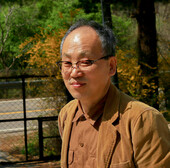
"This observation network provides an essential scientific backbone for understanding how ecosystems evolve under climate stress over the long haul," said NIE President Lee Chang-seok. "The data we collect here will directly inform national climate strategies and help safeguard biodiversity."
[Copyright (c) Global Economic Times. All Rights Reserved.]