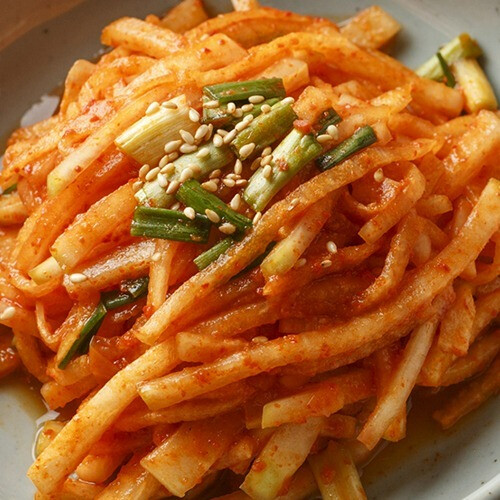
As temperatures drop, a steaming bowl of Korean beef radish soup (sogogi-muguk) becomes a staple comfort food. Simmering large chunks of radish with beef yields a rich, savory broth and tender, naturally sweet vegetables. Yet, from a nutritional standpoint, prolonged boiling may actually strip away key health benefits—making raw preparations like spicy radish salad (musaengchae) a smarter choice for your winter table.
Heat Depletes Key Antioxidants in Radish
While slow-cooking softens radish and mellows its sharp bite, extended heat exposure compromises its nutritional profile. Radishes belong to the cruciferous vegetable family and are rich in glucosinolates. When sliced or chewed raw, natural enzymes convert these compounds into isothiocyanates—bioactive molecules celebrated for boosting cellular antioxidant defenses, curbing inflammation, and aiding the body's detoxification processes.
Research featured in the Korean Journal of Horticultural Science & Technology highlights the stark contrast between raw and cooked radish. When scientists analyzed extracts from mature radish roots, they found that boiling enhanced sweetness at the expense of nutrients. Volatile sulfur compounds tied to glucosinolates evaporated during cooking, and vitamin C levels—across both the white root and green tops—were significantly higher in raw extracts. Pairing cooked soups with fresh, uncooked radish dishes ensures you don't miss out on these heat-sensitive nutrients.
Watch the Broth if You Are Prone to Gout
Another reason to rethink heavy consumption of slow-simmered beef soup lies in the broth itself, particularly for individuals managing hyperuricemia or gout. Beef is naturally high in purines, which metabolize into uric acid. Excess uric acid can crystallize in the joints, triggering painful inflammatory flare-ups.
A study published in the journal Food Science demonstrated just how quickly purines migrate into cooking liquid. Researchers boiled 200-gram portions of five different meats—including beef, pork, and poultry—for durations ranging from 10 to 80 minutes. Within the first 10 minutes alone, purine levels in the meat dropped by roughly 30 percent, while concentrations in the surrounding broth surged, continuing to climb for up to 50 minutes of simmering.
Health experts advise those with elevated uric acid levels to limit not just the meat, but also the amount of broth they consume. Still, food safety remains paramount: meat should always be cooked thoroughly rather than eaten rare in an attempt to avoid purine transfer.
[Copyright (c) Global Economic Times. All Rights Reserved.]