![[등록] 2026-09-01 15:48:31](/support/_updata/banner2/tl181982910_6749.png)


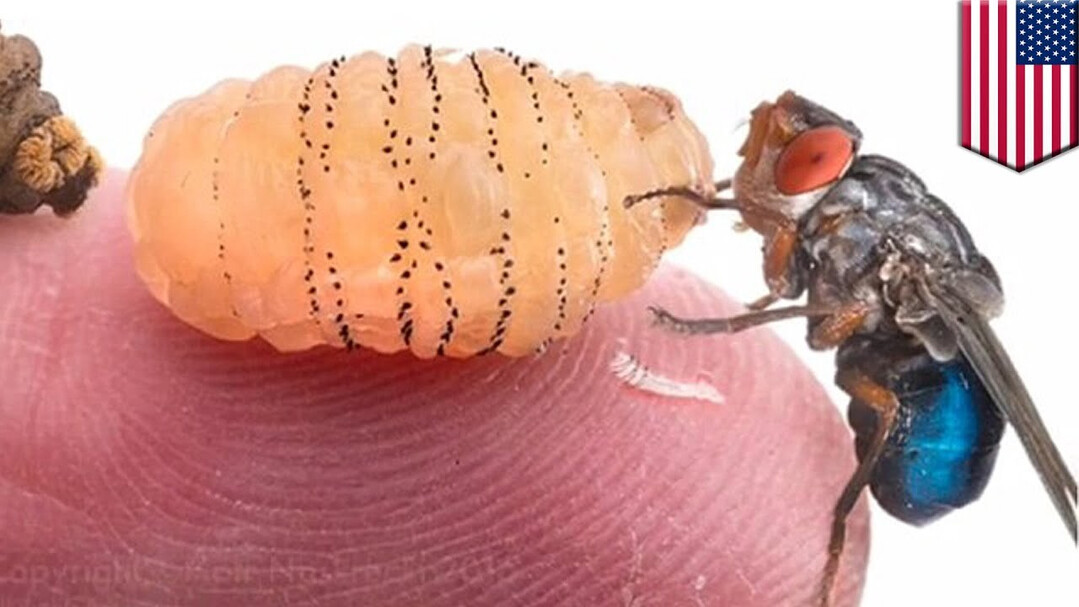
ATHENS – In a medical case that has both fascinated and unsettled the scientific community, researchers have documented a rare instance of a sheep botfly (Oestrus ovis) reaching the pupal stage inside a human host. The findings, published in the latest issue of the CDC’s journal Emerging Infectious Diseases (EID), highlight a highly unusual parasitic progression typically reserved for livestock.
An Unwelcome Guest
The patient, a 58-year-old woman working on a sheep farm in Greece, sought medical attention last October after experiencing severe facial pain and a persistent cough. The situation took a bizarre turn when she reportedly sneezed a live larva out of her nostril.
Upon examination, otolaryngologists discovered a total of 11 specimens residing within her maxillary sinus—the largest of the paranasal cavities located above the molars. While ten of these were in various larval stages, one had remarkably progressed into a pupa, a developmental phase almost never observed within a living human body.
Breaking Biological Norms
The sheep botfly usually targets sheep, goats, and deer, spraying its larvae into their nostrils. In humans, infections are typically limited to the external membranes of the eye (ophthalmomyiasis). Under normal circumstances, the human sinus is a hostile environment for such parasites; the body’s immune responses, mucus production, and fluctuating humidity usually prevent larvae from maturing, let alone pupating.
However, researchers noted that the patient suffered from a severe deviated septum. This structural abnormality may have created a stagnant, protected pocket within the sinus, providing the exact microclimate needed for the larvae to thrive undisturbed by the body's natural clearing mechanisms.
A Sign of Adaptation?
The medical team involved in the case suggests that this incident could be more than just a biological fluke. "This may represent an early sign of Oestrus ovis adapting its life cycle to human hosts," the researchers stated, though they emphasized that further study is required to confirm such an evolutionary shift.
While the patient has since made a full recovery following the surgical removal of the parasites, the case serves as a stark reminder of the complex intersections between human health, anatomical irregularities, and zoonotic diseases. For now, the "Sheep Botfly of Greece" remains a landmark case in the annals of clinical parasitology.
[Copyright (c) Global Economic Times. All Rights Reserved.]