![[등록] 2026-09-01 15:48:31](/support/_updata/banner2/tl181982910_6749.png)


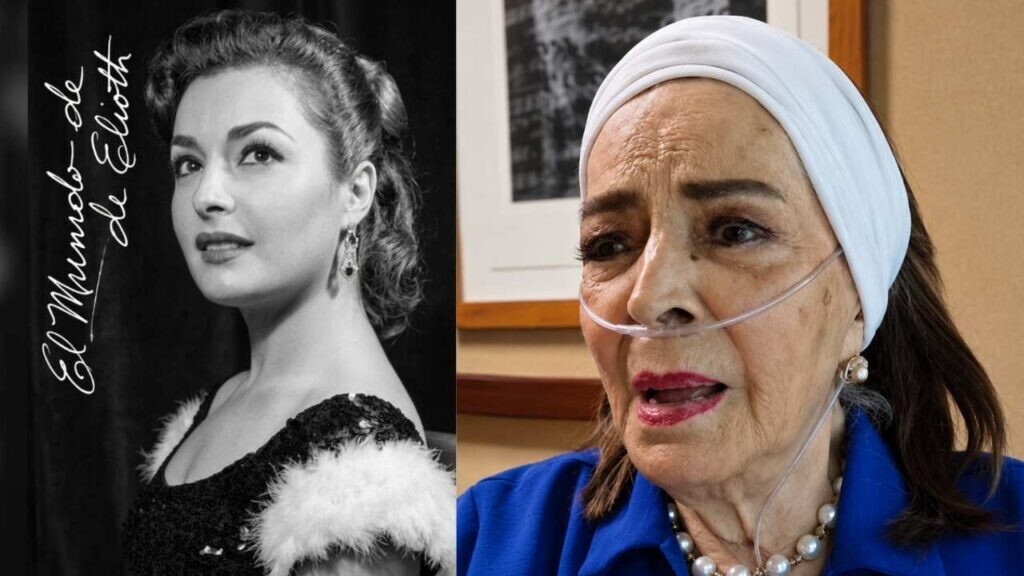
MEXICO CITY — Elsa Aguirre, one of the most iconic actresses from the Golden Age of Mexican Cinema (Época de Oro), passed away on July 14 at the age of 96, local daily La Jornada reported on Wednesday.
The National Association of Actors (ANDA) expressed deep condolences in a statement, remembering her as "one of the most symbolic and representative actresses of our cinema's golden era, beloved for her extraordinary acting talent, charisma, and timeless beauty."
An Icon of the Golden Age
Born in 1930, Aguirre's rise to stardom began after she won a local beauty pageant, which paved the way for her film debut in the 1946 drama El sexo fuerte. She quickly captured the public's attention with her performance in Algo flota sobre el agua (1948), a film that inspired the famous song "Flor de azalea."
Throughout the 1940s and 1950s—a period when legendary Spanish filmmaker Luis Buñuel was also active in Mexico—Aguirre became a box-office powerhouse. She starred in numerous classics, including:
Lluvia roja (1950)
Cuatro noches contigo (1952)
La mujer que yo amé (1950)
Alongside industry giants like María Félix (known for her fierce persona) and Silvia Pinal (Buñuel's longtime muse), Aguirre defined the aesthetic and emotional depth of Mexican cinema's most celebrated era.
A Life Beyond Fame and Fortune
In her later years, Aguirre stepped away from the silver screen to focus on theater, television melodramas, and her personal well-being. She became a dedicated practitioner of yoga and Eastern philosophy, often crediting these disciplined spiritual practices as the secret to her long, healthy life.
Over her illustrious career, she received numerous accolades, including the prestigious Golden Ariel Award (Ariel de Oro) for lifetime achievement, presented by the Mexican Academy of Film Arts and Sciences.
Despite her massive success, Aguirre remained remarkably humble. In a poignant interview with La Jornada last year, she reflected on her legacy:
"I never once thought about becoming famous or making a fortune; I had no interest in those things. I didn’t just act—I simply lived those lives on the screen."
Tributes from the Nation
The passing of the cinematic icon prompted national mourning, reaching the highest levels of government. President Claudia Sheinbaum paid tribute to the late actress on social media, writing:
"With deep sadness, we say goodbye to Elsa Aguirre, an extraordinary actress who illuminated the most important era of Mexican cinema. She played an invaluable role in shaping the cultural identity of our nation."
Aguirre’s death marks the end of an era, but her profound contributions to the arts and her portrayal of strong, complex characters will remain permanently etched in the history of Latin American cinema.
[Copyright (c) Global Economic Times. All Rights Reserved.]