![[등록] 2026-09-01 15:48:31](/support/_updata/banner2/tl181982910_6749.png)


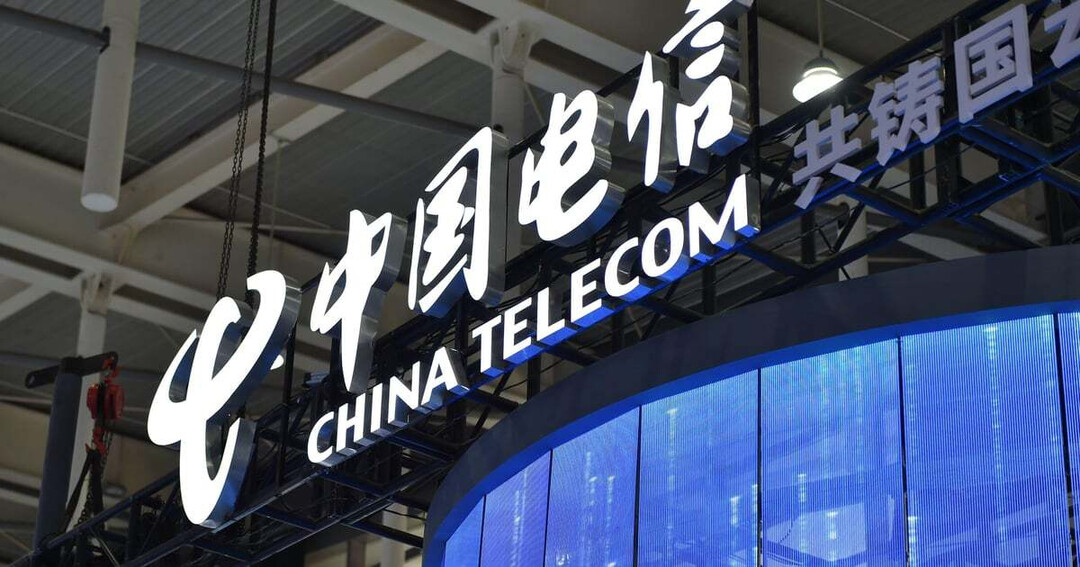
SHANGHAI — The "MWC (Mobile World Congress) Shanghai 2026," the largest mobile telecommunications exhibition in Asia, officially commences today, June 24, at the Shanghai New International Expo Centre (SNIEC). Over the next three days, the event is set to unveil a massive array of next-generation technologies, with Artificial Intelligence (AI) and the "token economy" emerging as the defining themes of this year’s gathering.
A Landmark Gathering of Tech Innovation
Now in its 13th year, MWC Shanghai has evolved into the definitive barometer for the Chinese and global telecommunications landscape. Organized by the GSMA (GSM Association), the event follows a highly successful 2025 edition, which saw 45,000 attendees from 128 countries.
This year's theme, "Zhongzhi Jiexin" (集智启新) — loosely translated as "Opening a new era through collective intelligence" — underscores the industry's shift toward an integrated ecosystem. Rather than viewing AI as a standalone tool, the event highlights how it is permeating networks, infrastructure, and end-user devices alike.
Key Focus Areas: From Agentic AI to Satellite Networks
The 2026 edition shifts the focus from theoretical AI to practical application. Key tracks include:
Enterprise and Mobile AI: Discussions will revolve around how AI can tangibly increase productivity and mitigate risk in enterprise environments.
Intelligent Infrastructure: A deep dive into self-optimizing networks powered by AI, which are crucial for managing the increasingly complex demands of 6G and satellite communications.
New Exhibition Zones: Reflecting the maturity of these technologies, the organizers have introduced dedicated zones for:
Mobile AI Full-Stack: Demonstrating end-to-end integration.
Satellite & NTN (Non-Terrestrial Networks): Showcasing the future of global connectivity.
6G Technology: A look at the next frontier of data transmission.
Smart City and eSIM: Highlighting the infrastructure of the future.
The Rise of the 'Token Economy' in Telecom
One of the most anticipated aspects of MWC Shanghai 2026 is the strategic focus on new revenue models for telecommunications operators. With the rise of "Agentic AI"—AI systems capable of performing autonomous tasks—there is an unprecedented surge in demand for network APIs (Application Programming Interfaces) and computing resources.
Huawei, a major player at the event, is placing the "Token Economy" at the heart of its strategy. The core idea is to transform the massive data processing capabilities of telecom networks into tradable digital assets. By opening up APIs and computing power to developers and enterprises, telcos aim to capture new value streams in the AI era.
Industry Leadership and Future Outlook
The keynote lineup features industry titans, including Wang Tao, Executive Director of Huawei; Cui Li, Chief Development Officer at ZTE; and Fang Fei, Product President at Honor. These leaders are expected to discuss:
Automated Network Operations: Utilizing AI to reduce human intervention in massive network management.
API Monetization: Strategies for telecom operators to package their high-value data and connectivity services for third-party AI developers.
B2B Expansion: Exploring the "AI Beyond Boundaries" summit, where the industry will debate new business models that move beyond traditional voice and data services.
Analysis: Why This Matters
The shift toward a "Token Economy" within the telecom sector represents a fundamental change in how network infrastructure is valued. Historically, telcos functioned as "pipes" providing connectivity. In the AI era, they are transitioning into "platforms" that provide the underlying compute and intelligence for the broader digital economy.
As 6G research gains momentum and satellite networks become more reliable, the ability to integrate these technologies into a single, seamless, and monetizable service layer will determine the winners in the next decade of mobile technology.
MWC Shanghai 2026 serves not just as an exhibition of new gadgets, but as a roadmap for the global shift toward an AI-native society where connectivity and compute are inextricably linked through digital assets.
[Copyright (c) Global Economic Times. All Rights Reserved.]