![[등록] 2026-09-01 15:48:31](/support/_updata/banner2/tl181982910_6749.png)


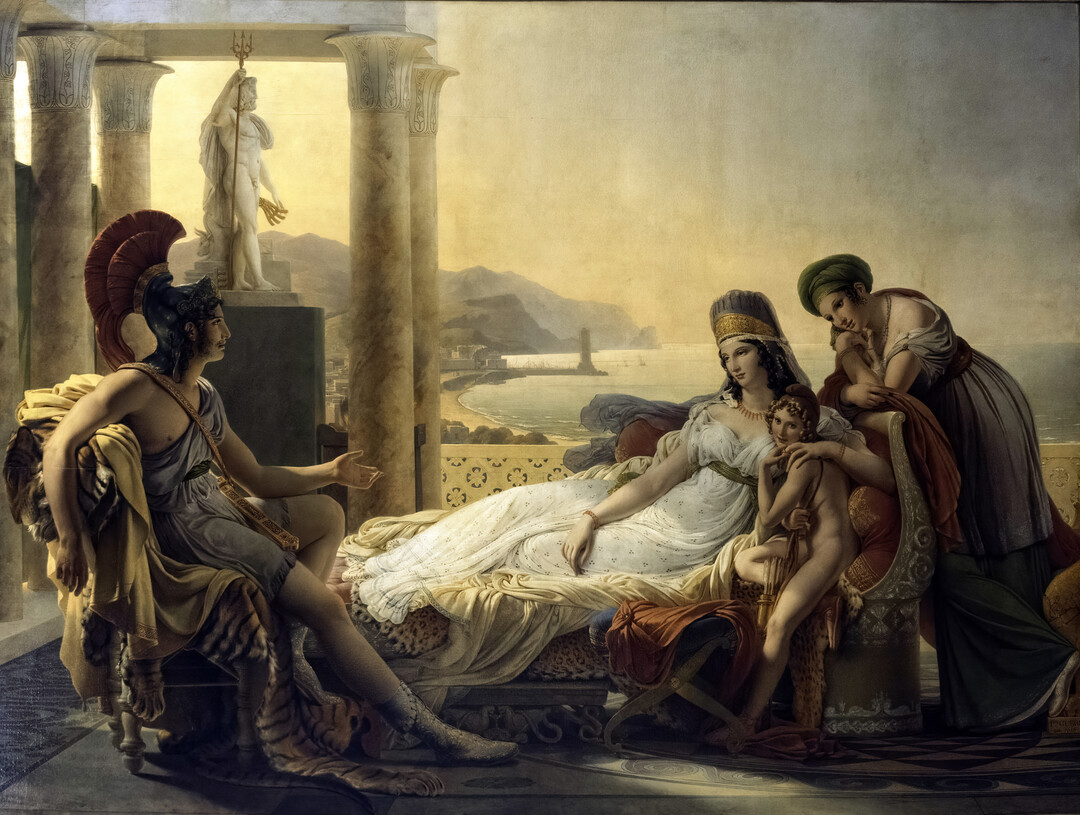
(C) Wikipedia
The dramatic life of Kim Keon-hee, the former First Lady now facing prosecution, has drawn stark comparisons to figures of historical tragedy and infamy. Foreign media have likened her to Lady Macbeth, whose ambition propelled her husband to a throne and led to their mutual downfall. In South Korea, some recall Empress Myeongseong for allegedly manipulating state affairs through her family. Yet, the most compelling parallel, especially given her current situation of simultaneous prosecution with her husband, former President Yoon Suk Yeol, is with the ill-fated French Queen, Marie Antoinette.
The French Queen, an Austrian Archduchess who married into the French royal family at 15, remains a figure of intense division—reviled as a villain who ignited the Revolution or pitied as a scapegoat of political opportunism. Austrian biographer Stefan Zweig, in his renowned work Marie Antoinette: The Portrait of an Average Woman, aimed for an objective middle ground, stripping away both calumny and praise. He ultimately viewed her as an ordinary woman thrust into extraordinary circumstances.
The Peril of Submission and Intervention
Zweig’s analysis traces the French monarchy's collapse to the King's "subordination" to the Queen. While the dynamics of the former Korean presidential couple's relationship are less public, the French King's meekness was attributed to a troubled marriage; the beautiful young Queen demanded what she wished, and the passive King complied. This enabled Marie Antoinette to use her "immense power over the King only to favour those she loved," often intervening clumsily in state affairs—a critique that echoes the charges of state intervention levelled against Ms. Kim, allegedly through means like using a classified phone and involving herself in appointments.
Both figures transcended mere avarice for jewels and luxury. Marie Antoinette’s political overreach drew sharp rebuke even from her own brother, the Austrian Emperor, who questioned her right to meddle in the French kingdom’s affairs. Ms. Kim is likewise charged with using her position for corruption, allegedly trading positions for luxury items and gold, and influencing party and state business. In a democracy, such breaches of trust, involving profiteering from public office and manipulating state affairs, are arguably more severe than the transgressions of an absolute monarch's spouse.
Trial by Public Opinion and the Heavy Burden of Neglect
As Zweig noted, "Truth and politics rarely live under the same roof," and justice is hard to find when an individual is portrayed for the purpose of political agitation. The French Queen’s extravagance was grossly amplified in libellous pamphlets, fueling the revolutionary fervor—a process alarmingly similar to how unverified rumours and inflammatory "hearsay" on some platforms today distort the truth to generate outrage and profit from high viewership in South Korea's highly polarized digital landscape.
Marie Antoinette was eventually convicted of treason for allegedly conspiring with enemy forces to restore her husband's throne. Historically, the trial was essentially a court of public opinion, with a unanimous guilty verdict reached despite a lack of clear documentation at the time.
However, history levels a graver accusation against the Queen: the failure to acknowledge "the wishes of the people" or recognize the suffering and "millions of starving subjects outside the walls of Versailles." Even in the age of absolute monarchy, the powerful House of Habsburg warned its kin of the heavy price to be paid for misusing a position granted by the people's consent and affection.
The Crime of the Ordinary in Extraordinary Times
This historical precedent underlines the gravity of the First Lady's alleged actions in a democratic nation, where power is temporarily delegated by the people. The crime is compounded if the spouse of a president, entrusted with limited power, uses their position to trade public office for luxuries and intervene in state affairs, exhibiting a profound disregard for the public's demands and the rule of law.
Both King Louis XVI and Marie Antoinette were described by Zweig as "utterly commonplace people, neither especially good nor especially wicked." He argued they might have navigated ordinary times without issue, but they lacked the capacity to cope with an era of dramatic upheaval, concluding that to be overwhelmed and fall in such a critical period carries not just significance, but guilt. Philosopher-essayist Noh Jung-tae posited that "in a demanding era and a high office, even ordinariness is a crime."
Marie Antoinette, finally shaken from her arrogance and indifference by the crushing weight of popular fury, ultimately displayed a measure of dignity, establishing her as a figure of tragedy and pity. Yet, Ms. Kim's narrative, marked by a descent from a high-ranking position in an ordinary era due to a sub-standard morality and followed by continuous, unconventional public conduct, is devolving into a modern melodrama of disillusionment.
[Copyright (c) Global Economic Times. All Rights Reserved.]