![[등록] 2026-09-01 15:48:31](/support/_updata/banner2/tl181982910_6749.png)


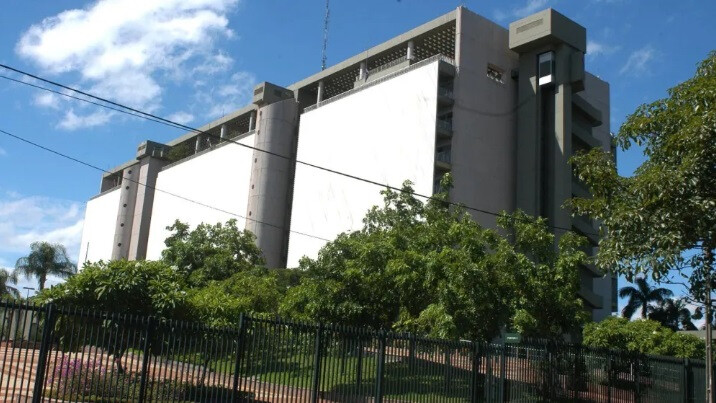
The Central Bank of Paraguay (BCP) announced last month through a press conference that the inflation rate for April 2025 recorded 0.4%. This is a slowdown compared to the 0.8% of the same month last year. However, contrary to the apparent easing trend, the cumulative inflation rate for this year is 3%, which is actually higher than the 2.8% recorded in the same period last year. The annual inflation rate is also 4%, showing a slight decrease from the previous month's 4.4% but remaining at a high level similar to the same period last year.
According to BCP data, inflationary pressure continued in April, mainly driven by the food sector. In particular, prices of tomatoes, fish, beef, squash, and dairy products increased, and prices of beef substitutes such as chicken also rose.
From a structural perspective, core inflation, which excludes volatile items (fruits, vegetables, fuel, public utilities), recorded 0.5% in April, rising to 3.9% annually. This is higher than not only the previous month's 3.6% but also the 3.1% of the same month last year. This rise in core inflation is concerning as it suggests more entrenched factors underlying the price increases, which may be difficult to resolve in the short term.
While gasoline prices fell by 1.5% monthly, contributing to the slowdown in overall inflation, prices of durable goods such as home appliances, automobiles, and mobile phones actually increased. Additionally, price increases in the service sector, including restaurants, hotels, and travel packages, continued.
At the press conference announcing the inflation report, BCP officials answered questions about the recent causes of price increases. César Yunis, the chief economist of the BCP, explained that the price increases were mainly concentrated in food, including specific items related to the Easter period.
He stated that the annual inflation rate for 2025 is expected to remain within the BCP's target range, but added that the Monetary Policy Committee will continuously evaluate the economic situation and decide whether to adjust policies if signs of deviating from the inflation target appear.
Economist Yunis emphasized that the economic indicators for May and June will play a crucial role in forecasting annual inflation, adding that current inflation expectations are within the target range of monetary policy.
Regarding the rise in prices of imported durable goods, Yunis explained that this is related to exchange rate fluctuations in previous months. Guillermo Ortiz, head of the BCP's price index department, elaborated that for some items, such as home appliances priced in dollars, exchange rate fluctuations are directly reflected in prices, and despite the recent stabilization of the exchange rate, it remains at a high level, causing merchants to gradually adjust prices.
According to the report, beef prices recorded one of the largest increases in April. Overall, the beef sector rose by 2.9% monthly, 3.6% cumulatively, and 13.9% annually. The BCP cited the disruption of livestock transportation due to concentrated rainfall in the Paraguayan Chaco region and increased demand before Labor Day as the main reasons for this price increase. In particular, the prices of 'costilla de segunda' (second-cut ribs) and 'costilla de primera' (first-cut ribs) saw the largest increases, with monthly rates of 7.4% and up to 5.1%, respectively.
The prevailing analysis suggests that the slowdown in Paraguay's April inflation rate is likely a temporary phenomenon. The fact that cumulative inflation remains high and core inflation is rising indicates that price pressures will not be easily resolved in the short term. In particular, the continued rise in food prices directly burdens household finances, which could lead to a contraction in overall consumer sentiment.
The sharp increase in beef prices reflects the specific characteristics of the Paraguayan economy. Livestock farming is a significant part of Paraguay's economy, and price volatility can be high depending on weather conditions or changes in demand during specific periods. The recent case clearly shows the impact of external factors such as climate change on food price stability.
This is a critical time for the government and the central bank to respond. The BCP is closely monitoring the current economic situation and keeping the possibility of monetary policy adjustments open, but there are calls for more proactive policy efforts to achieve substantial price stability. Along with policies to strengthen supply chain management, improve agricultural productivity, and diversify imports to address structural issues, it is also urgent to prepare measures to alleviate the burden of rising prices on vulnerable groups.
The inflation indicators to be released in May and June will be important benchmarks for gauging the future direction of the Paraguayan economy. If the upward trend in inflation continues, pressure to further tighten monetary policy, such as interest rate hikes, may increase, which carries the risk of leading to economic slowdown. The Paraguayan government and central bank face the difficult task of finding a balance between price stability and economic growth.
[Copyright (c) Global Economic Times. All Rights Reserved.]