• 2025.12.21 (Sun)
  • All articles
  • LOGIN
  • JOIN
Global Economic Times
APEC2025KOREA가이드북
  • Synthesis
  • World
  • Business
  • Industry
  • ICT
  • Distribution Economy
  • Well+Being
  • Travel
  • Eco-News
  • Education
  • Korean Wave News
  • Opinion
  • Arts&Culture
  • Sports
  • People & Life
  • Column
    • Cho Kijo Column
    • Lee Yeon-sil Column
    • Ko Yong-chul Column
    • Cherry Garden Story
  • Photo News
  • New Book Guide
MENU
 
Home > Distribution Economy

North Korean Hackers Seize $1.5B in Record Crypto Heist Year

KO YONG-CHUL Reporter / Updated : 2025-12-21 20:54:10
  • -
  • +
  • Print

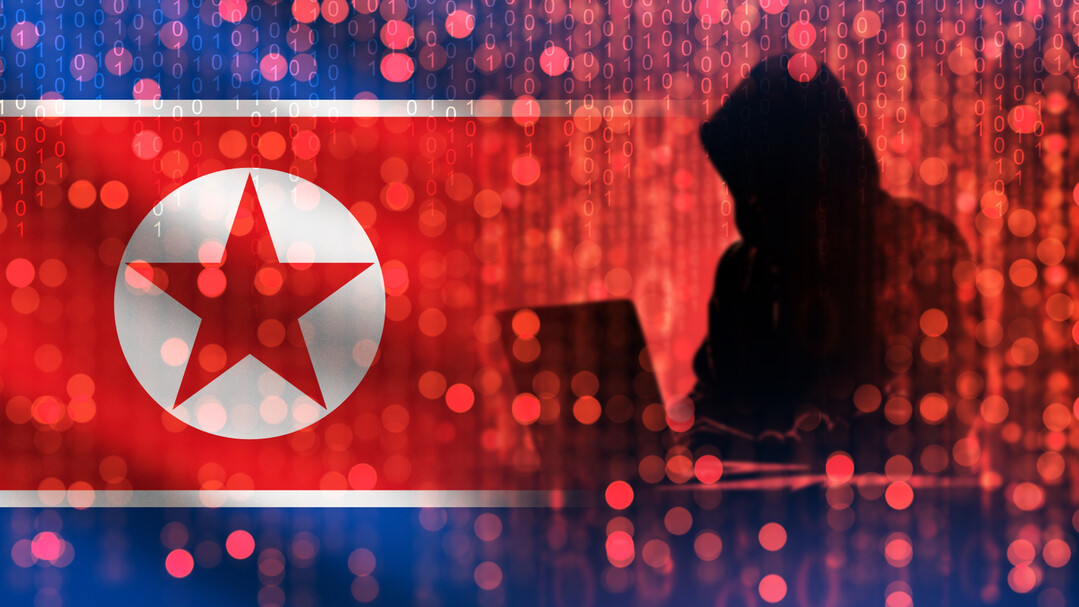
(C) Techradar

SEOUL — Global cryptocurrency losses from hacking have reached a staggering $2.7 billion (approx. 3.99 trillion KRW) in 2025, with North Korean state-sponsored actors identified as the perpetrators behind more than half of the total stolen value. According to a year-end report by blockchain intelligence firm TRM Labs, Pyongyang has evolved its tactics from targeting decentralized protocols to launching massive strikes against centralized exchanges (CEX).

The Pivot to Centralized Exchanges

The report highlights a strategic shift in North Korea’s cyber-warfare. While previous years focused on the vulnerabilities of Decentralized Finance (DeFi), the 2025 data shows a "whale-hunting" approach. The most prominent example occurred in February, when the cryptocurrency exchange Bybit was compromised, resulting in a $1.5 billion loss in a single breach. This incident alone accounts for a significant portion of the year’s total damages.

Sophisticated "Code to Custody" Tactics

The methods employed by North Korean hackers have reached new levels of sophistication. Investigators described a "Code to Custody" strategy, where hackers pose as recruiters or investors on professional platforms. By offering fake job opportunities or lucrative investment deals to exchange developers, they deploy malware-laden files to gain entry into the internal systems of major trading platforms.

The "Chinese Laundromat" Network

As international sanctions have tightened around traditional "mixing" services, North Korea has increasingly relied on what experts call the "Chinese Laundromat." This industrialized underground financial network consists of:

OTC Brokers: Over-the-counter traders who convert crypto to fiat.
Underground Bankers: Middlemen facilitating large-scale transfers across borders.
Shell Companies: Using trade-based money laundering to funnel funds back into North Korean weapon programs.
"North Korea’s hacking is no longer a series of isolated incidents; it is a highly specialized, state-level operation with clear strategic goals," said Chris Wong, a former FBI agent and current investigator at TRM Labs. He emphasized that global cooperation and real-time tracking are now more critical than ever to disrupt these illicit financial flows.

[Copyright (c) Global Economic Times. All Rights Reserved.]

  • #Globaleconomictimes
  • #Korea
  • #Seoul
  • #Samsung
  • #LG
  • #Bitcoin
  • #Meta
  • #Business
  • #Economic
  • #The Woori Bank
  • #Elon Musk
KO YONG-CHUL Reporter
Reporter Page

Popular articles

  • A Garden Where the City's Rhythm Stops: Dongdaemun's 'Cherry Garden', Cooking Consideration and Diversity

  • China-Russia Bombers Target Tokyo in First Joint Pacific Demonstration

  • Choi Bun-do, Chairman of PTV Group, Assumes Presidency of the Korean Chamber of Commerce and Industry in South Central Vietnam

I like it
Share
  • Facebook
  • X
  • Kakaotalk
  • LINE
  • BAND
  • NAVER
  • https://globaleconomictimes.kr/article/1065613964862866 Copy URL copied.
Comments >

Comments 0

Weekly Hot Issue

  • Japan's Luxury Stays Now "Affordable": Hotel Prices Plummet Amid China Exit
  • Gangwon Province Sweeps National Livestock Brand Awards, Securing Top Honors
  • Driving Cognitive Skills Plunge at Age 70: Calls for Earlier License Renewal Intervals
  • Coupang Faces Class-Action Lawsuit in U.S. Over Massive Data Breach and Disclosure Failures
  • Seoul Apartment Monthly Rents Hit Record High Amid Severe Lease Shortage
  • HD Hyundai Heavy Industries to Co-Develop Next-Generation Submarines Tailored for Peru

Most Viewed

1
China-Russia Bombers Target Tokyo in First Joint Pacific Demonstration
2
From Court to Content: French Tennis Star Océane Dodin Trades Racquet for OnlyFans, Eyes $5M in a Year
3
Samsung Launches 'Galaxy Z TriFold,' Draws Crowds Despite $2,750 Price Tag
4
Forging the Drone Warfighter: USAREUR-AF Launches Inaugural Competition in Germany, Stressing Integrated Lethality
5
Won-Dollar Exchange Rate Rises to 7-Month High: South Korean Authorities Scramble to Stabilize Currency as Overseas Investment Surges
광고문의
임시1
임시3
임시2

Hot Issue

HD Hyundai Heavy Industries to Co-Develop Next-Generation Submarines Tailored for Peru

Seoul Apartment Monthly Rents Hit Record High Amid Severe Lease Shortage

Coupang Faces Class-Action Lawsuit in U.S. Over Massive Data Breach and Disclosure Failures

Tech Giants Advise Foreign Staff Against International Travel Amid U.S. Visa Delays

Let’s recycle the old blankets in Jeju Island’s closet instead of incinerating them.

Global Economic Times
korocamia@naver.com
CEO : LEE YEON-SIL
Publisher : KO YONG-CHUL
Registration number : Seoul, A55681
Registration Date : 2024-10-24
Youth Protection Manager: KO YONG-CHUL
Singapore Headquarters
5A Woodlands Road #11-34 The Tennery. S'677728
Korean Branch
Phone : +82(0)10 4724 5264
#304, 6 Nonhyeon-ro 111-gil, Gangnam-gu, Seoul
Copyright © Global Economic Times All Rights Reserved
  • 에이펙2025
  • APEC2025가이드북TV
  • 독도는우리땅
Search
Category
  • All articles
  • Synthesis
  • World
  • Business
  • Industry
  • ICT
  • Distribution Economy
  • Well+Being
  • Travel
  • Eco-News
  • Education
  • Korean Wave News
  • Opinion
  • Arts&Culture
  • Sports
  • People & Life
  • Column 
    • 전체
    • Cho Kijo Column
    • Lee Yeon-sil Column
    • Ko Yong-chul Column
    • Cherry Garden Story
  • Photo News
  • New Book Guide
  • Multicultural News
  • Jobs & Workers