![[등록] 2026-09-01 15:48:31](/support/_updata/banner2/tl181982910_6749.png)


(C) Medical.net
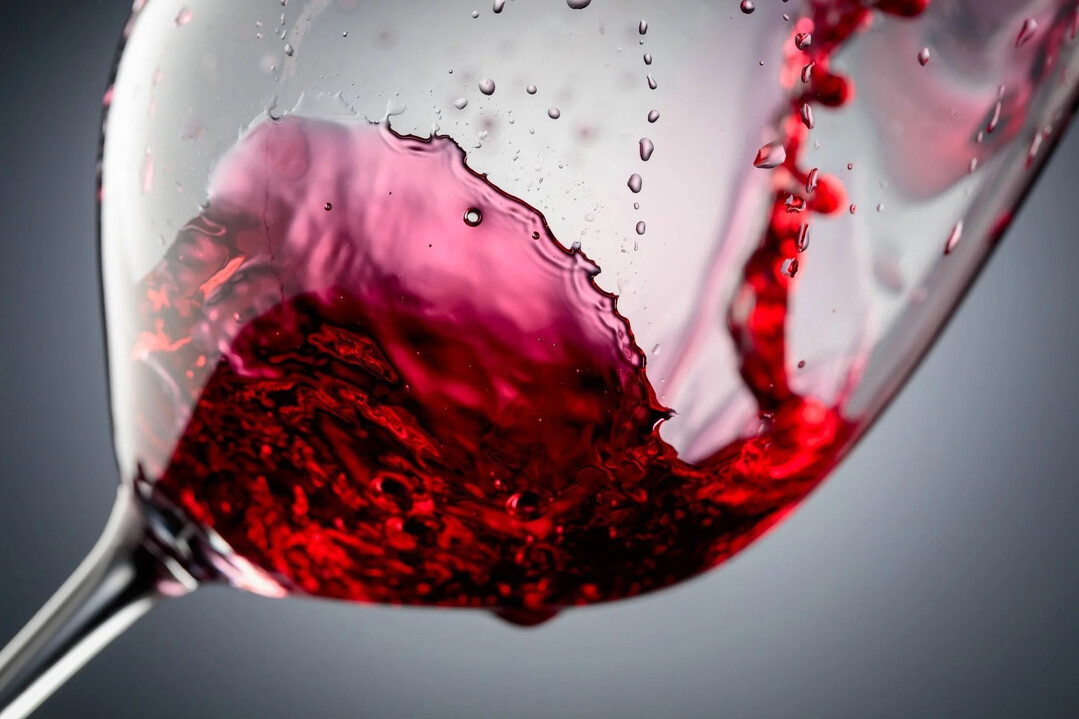
In a discovery that adds a new layer to the long-standing debate over the health impacts of alcohol, a recent study suggests that for men, a daily glass of wine could be a literal "fountain of youth." Researchers at LUM University in Casamassima, Italy, have found that men who consume a moderate amount of wine—approximately 200ml per day—exhibit a biological age nearly six months younger than their non-drinking counterparts.
The 0.4-Year Advantage
The study, which analyzed a massive dataset of 22,000 individuals, utilized artificial intelligence to calculate "biological age." Unlike chronological age, which simply counts the years since birth, biological age measures the functional state of cells, tissues, and organs. It is considered a far more accurate predictor of disease risk and life expectancy.
The results, published in an international public health journal, revealed that men who averaged 200ml of wine daily (roughly equivalent to one and a half standard servings in a typical bar) had a biological age approximately 0.4 years younger than those who abstained from alcohol entirely. Interestingly, this "rejuvenation effect" was not observed in other types of alcohol, such as beer or spirits, suggesting that the secret lies not in the ethanol itself, but in the unique composition of wine.
The Polyphenol Factor
Medical experts point to polyphenols as the likely heroes behind this phenomenon. Wine, particularly red wine, is a rich source of these micronutrients, which are known for their potent antioxidant and anti-inflammatory properties.
"Polyphenols play a critical role in reducing oxidative stress and improving metabolic functions," the research team noted. These factors are intrinsically linked to the aging process. By mitigating systemic inflammation, the non-alcoholic components of wine appear to shield male physiology from the rapid cellular decay typically associated with aging.
The Gender Divide: Why Not Women?
Perhaps the most striking finding of the study was the lack of similar benefits for women. Despite following the same consumption patterns, female participants did not show a reduction in biological age.
Researchers believe this discrepancy is rooted in fundamental biological differences. "The way men and women metabolize alcohol differs significantly due to variations in enzyme activity and body composition," explained the study leads. Furthermore, hormonal structures—specifically the interaction between alcohol and estrogen—may counteract the potential anti-aging benefits of polyphenols in the female body.
The Broader Picture: Lifestyle Matters
While the "wine effect" is significant, the researchers emphasized that it does not exist in a vacuum. The study also highlighted that lifestyle choices remain the primary drivers of biological aging.
Accelerators: Smoking and obesity were identified as the most aggressive factors in speeding up the biological clock.
Decelerators: Adherence to a Mediterranean diet—rich in vegetables, healthy fats, and lean proteins—consistently correlated with a slower aging process.
A Nuanced Conclusion
The LUM University study represents a milestone as the first to specifically link wine consumption patterns with blood-based biological aging markers. However, health officials urge caution, noting that "moderate" is the keyword. Excessive drinking remains a leading cause of various health complications, including liver disease and increased cancer risk.
For men looking to stay young, the message is clear: a disciplined, moderate intake of wine, paired with a healthy diet, might just be the key to keeping the biological clock from ticking too fast. For women, the search for a liquid anti-aging remedy continues, as their path to longevity appears to rely on different physiological triggers.
[Copyright (c) Global Economic Times. All Rights Reserved.]