![[등록] 2026-09-01 15:48:31](/support/_updata/banner2/tl181982910_6749.png)


(C) IEEE Spectrum
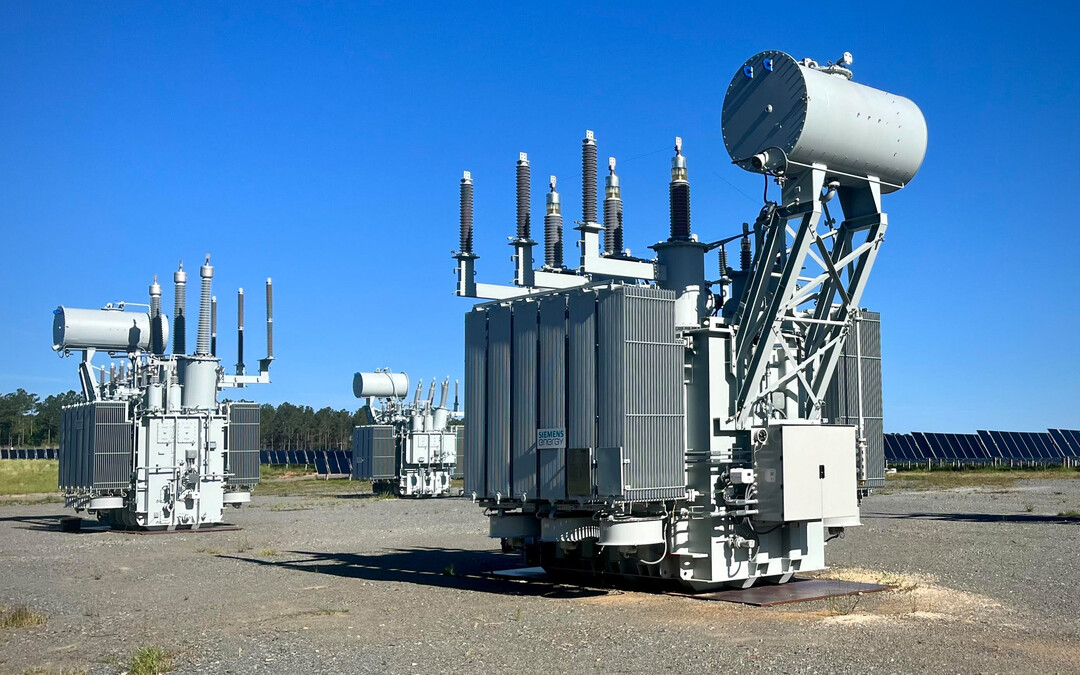
SEOUL – The global power equipment market has shifted into a dominant "sellers' market," with South Korea’s top three transformer manufacturers—HD Hyundai Electric, Hyosung Heavy Industries, and LS Electric—emerging as the ultimate power players. The shortage is so acute that American buyers are reportedly willing to wait up to five years for delivery and even absorb heavy import tariffs to secure units.
The Perfect Storm: Aging Grids and the AI Boom
The unprecedented surge in demand is driven by a convergence of three major factors. According to the U.S. Department of Energy, approximately 70% of the U.S. power grid was installed around the year 2000. With an average lifespan of 30 years, a massive replacement cycle is now inevitable.
Simultaneously, the Artificial Intelligence (AI) revolution is fueling the fire. Tech giants like Microsoft, Google, and Amazon are investing hundreds of billions into data centers—facilities that require massive amounts of power infrastructure, including transformers and switchgears. Experts predict that by 2028, data centers will account for 12% of total U.S. electricity consumption.
Furthermore, the expansion of renewable energy sources, such as solar and wind, requires a complete overhaul of transmission and distribution networks to stabilize power flow, further straining the global supply.
High Barriers to Entry: Talent Over Hardware
Despite the high demand, increasing supply is not a simple task. Transformer manufacturing, particularly for ultra-high voltage (765kV) units, remains a labor-intensive process that relies heavily on manual craftsmanship.
"It takes more than 10 years to train a skilled worker capable of handling the entire ultra-high voltage transformer production process," said Kim Young-ki, CEO of HD Hyundai Electric. "This is not an industry where you can simply build a factory and see immediate output."
Because of these high technical barriers and the need for long-term quality certification, Chinese competitors have struggled to gain a foothold in the premium U.S. market, leaving South Korean firms in a dominant position.
Price Dictators: Absorbing the "Tariff Hit"
This scarcity has granted South Korean firms immense "pricing power." Typically, import tariffs of 18-20% would be a significant burden for exporters. However, current market conditions have allowed Korean manufacturers to pass these costs entirely onto the customers.
Financial analysts expect these companies to reach record-breaking profitability. HD Hyundai Electric is projected to hit an operating profit margin of 23.5% for 2025, with expectations that this figure could climb to 25% by 2027 as tariff burdens further stabilize.
As the world races to upgrade its energy infrastructure, the "K-Grid" giants are no longer just suppliers—they are the gatekeepers of the global energy transition.
[Copyright (c) Global Economic Times. All Rights Reserved.]