![[등록] 2026-09-01 15:48:31](/support/_updata/banner2/tl181982910_6749.png)


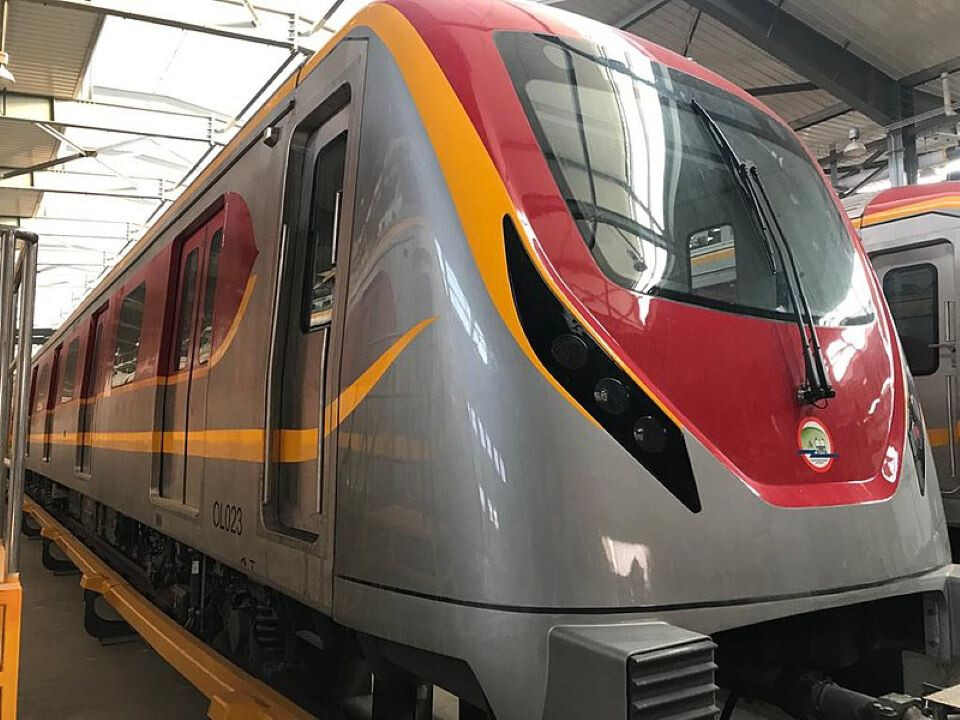
Islamabad, Pakistan – The government of Pakistan has officially given the go-ahead for the construction of a high-speed railway line linking the bustling provincial capital of Lahore in Punjab and the federal capital, Islamabad. This significant infrastructure project, recently approved by Federal Minister for Railways Hanif Abbasi, marks a bold step towards modernizing Pakistan's railway network and promises to drastically reduce travel times between the two major urban centers. The announcement, first reported by the International Rail Journal (IRJ) on April 29th, signals a renewed focus on enhancing connectivity and stimulating economic growth through improved transportation infrastructure.
The proposed high-speed rail line, slated to be developed within the Punjab province, aims to cut the current approximately four-hour journey between Lahore and Islamabad to a more efficient two hours and forty-five minutes. This significant reduction in travel time is expected to have a profound impact on both business and leisure travel, fostering greater interaction and economic activity between the two key regions. Currently, the primary modes of transport between Lahore and Islamabad are roadways, which are often congested and subject to delays, and existing conventional rail services that offer slower transit times.
The sheer scale of the project is evident in its estimated cost, which could reach up to $10 billion. Securing the necessary funding for such an ambitious undertaking is now a top priority for the government. Punjab Chief Minister Maryam Aurangzeb is actively engaged in discussions with Pakistan Railways (PR) to explore various financing models, with Public-Private Partnerships (PPPs) being considered as a viable option. PPPs could leverage private sector expertise and capital, potentially easing the burden on the national exchequer. Other potential funding avenues might include seeking international loans or development assistance.
The envisioned high-speed corridor will strategically connect Lahore with Islamabad, traversing through key urban and semi-urban centers along the way, including Lala Musa, Dina, and Gujar Khan. This route selection is likely intended to serve not only the direct link between the two capitals but also to provide faster and more efficient transportation options for the populations residing in these intermediate cities. The project also encompasses significant upgrades to existing railway infrastructure. Plans include the double-tracking of certain sections of the line and comprehensive track improvements to accommodate high-speed trains. Furthermore, the project will involve the reconstruction of bridges and the modernization of marshalling yards, crucial components for efficient railway operations.
This high-speed rail initiative aligns with broader efforts by the Pakistani government to revitalize and expand its railway network. Pakistan Railways, the state-owned railway company, has been facing challenges in terms of aging infrastructure, operational efficiency, and financial sustainability. However, there is a growing recognition of the vital role that a modern and efficient railway system can play in the country's economic development and connectivity.
Several factors underscore the strategic importance of this project. Firstly, it will significantly enhance connectivity between Punjab, the most populous and economically significant province, and the federal capital, Islamabad, the center of political and administrative activity. Improved transportation links can facilitate smoother business operations, encourage investment, and boost trade between these crucial regions. Secondly, a faster and more reliable rail service can alleviate pressure on the already overburdened road network, reducing traffic congestion and transportation costs. Thirdly, the project has the potential to create numerous jobs during the construction phase and in the long term through railway operations and related industries.
Moreover, the development of high-speed rail infrastructure can have a cascading effect, stimulating technological advancements and fostering local expertise in railway engineering and construction. It can also contribute to a more environmentally sustainable transportation system compared to road travel, especially for long distances.
In a parallel effort to improve the existing railway services within Punjab, Chief Minister Aurangzeb has commissioned feasibility studies for the enhancement of train operations on six key routes within the province. These studies, expected to be completed by the end of the next month, will likely assess the current state of infrastructure, identify bottlenecks, and propose measures to improve speed, frequency, and passenger comfort on these lines. This dual approach – focusing on both a transformative high-speed project and the upgrading of existing services – demonstrates a comprehensive strategy for the railway sector in Punjab and the country as a whole.
While the approval of the Lahore-Islamabad high-speed rail project is a significant milestone, the journey ahead will involve navigating complex financial and logistical challenges. Securing the estimated $10 billion in funding will require meticulous planning and potentially international collaborations. The technical aspects of constructing a high-speed rail line, including land acquisition, track laying, signaling systems, and the procurement of high-speed rolling stock, will demand careful execution and adherence to international standards.
Despite these challenges, the potential benefits of this ambitious project are substantial. A modern high-speed rail link between Lahore and Islamabad promises to usher in a new era of connectivity, economic growth, and modernization for Pakistan's transportation infrastructure. The government's commitment to this project, coupled with the ongoing efforts to improve existing rail services, signals a positive direction for the future of rail travel in the country. The nation will be watching closely as this transformative project moves from the drawing board to reality, hoping it will lay the foundation for a more efficient and interconnected Pakistan.
[Copyright (c) Global Economic Times. All Rights Reserved.]